Butterfly Wings Inspire Solar Panels 66% More Efficient
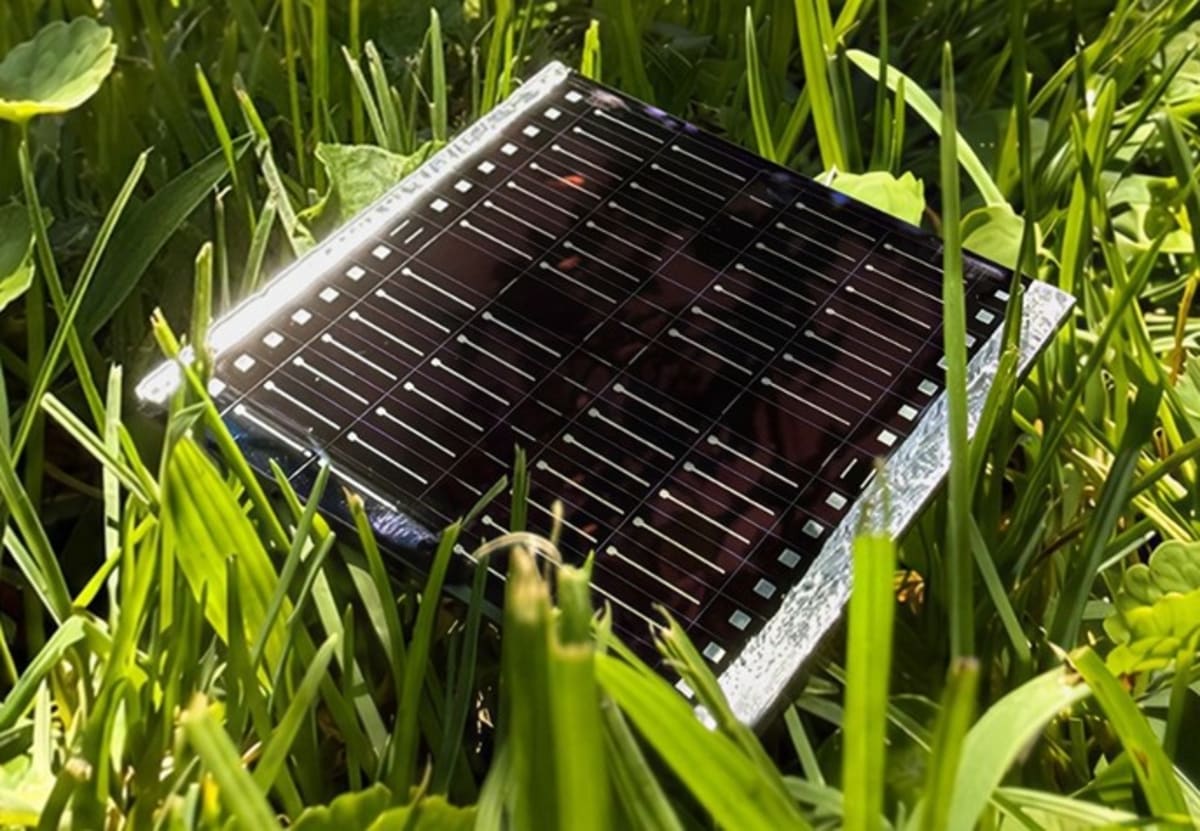
Scientists discovered that copying the tiny structures on black butterfly wings could help solar panels capture far more sunlight instead of letting it bounce away. Computer simulations show this nature-inspired design could boost solar cell performance by 66%.
Solar panels are about to get a powerful upgrade from one of nature's most delicate creatures.
Researchers studying black butterfly wings have discovered microscopic structures that could help solar panels capture dramatically more sunlight. The team examined scales from four butterfly species and found that one particular design could reduce wasted light reflection from 35% down to just 5%.
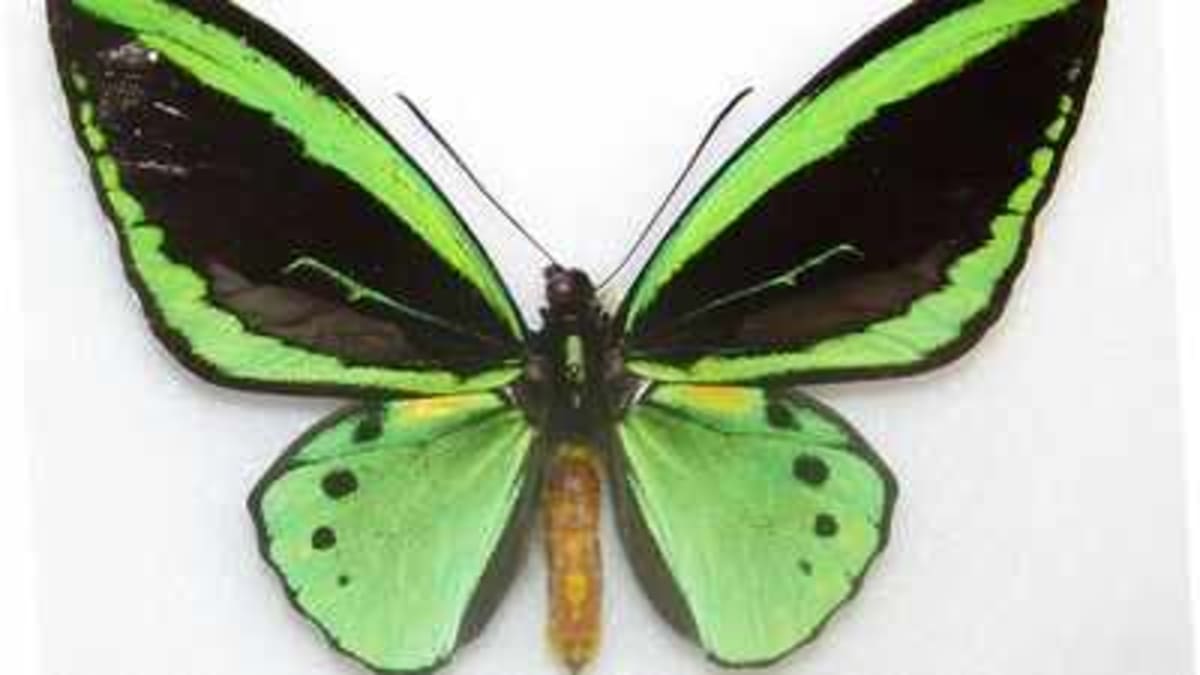
The breakthrough focuses on a butterfly called Ornithoptera priamus. Its black wing scales contain tiny parallel V-shaped grooves that trap sunlight instead of letting it escape. Solar panels face the opposite problem: when sunlight hits their silicon surface, too much bounces away before it can be converted to electricity.
Scientists Zhongjia Huang, Xinying Shi, Gang Wang, Petri Leukkunen, Marko Huttula and Wei Cao published their findings in Solar Energy. They used computer simulations to test what would happen if they copied the butterfly structure onto silicon solar cells.
The results were striking. The butterfly-inspired surface could increase a solar cell's short-circuit current by 66%, meaning the panel could make much better use of incoming light. While this doesn't mean your rooftop panels would instantly produce 66% more electricity, it shows enormous potential for future solar technology.
The team examined black scales from butterflies including Tirumala limniace, Graphium doson, and Papilio protenor cramer. Each species had slightly different microscopic arrangements, but the Ornithoptera priamus structure proved most effective. Its scales showed reflection values between just 1% and 5% in the visible light range.
The approach is called biomimicry, where engineers study solutions that evolved naturally and adapt them for human technology. Butterflies don't need to produce electricity, but over millions of years they've evolved remarkably effective ways to control and trap light.
The Ripple Effect
This discovery arrives as the world races to expand clean energy. Better solar panels mean more power from the same amount of sunlight, making renewable energy more efficient and affordable. If the butterfly-inspired design moves from computer simulations to real-world manufacturing, it could help solar technology reach communities that currently lack reliable electricity.
The next step is building and testing actual solar cells with the butterfly structure. Manufacturing these microscopic patterns on silicon will require careful engineering, but the potential payoff is substantial.
Nature spent millions of years perfecting the art of capturing light, and now that wisdom might help power our future.
More Images



Based on reporting by Google: solar power breakthrough
This story was written by BrightWire based on verified news reports.
Spread the positivity!
Share this good news with someone who needs it