Cambodia Plans to Bring Wild Tigers Back After 18 Years
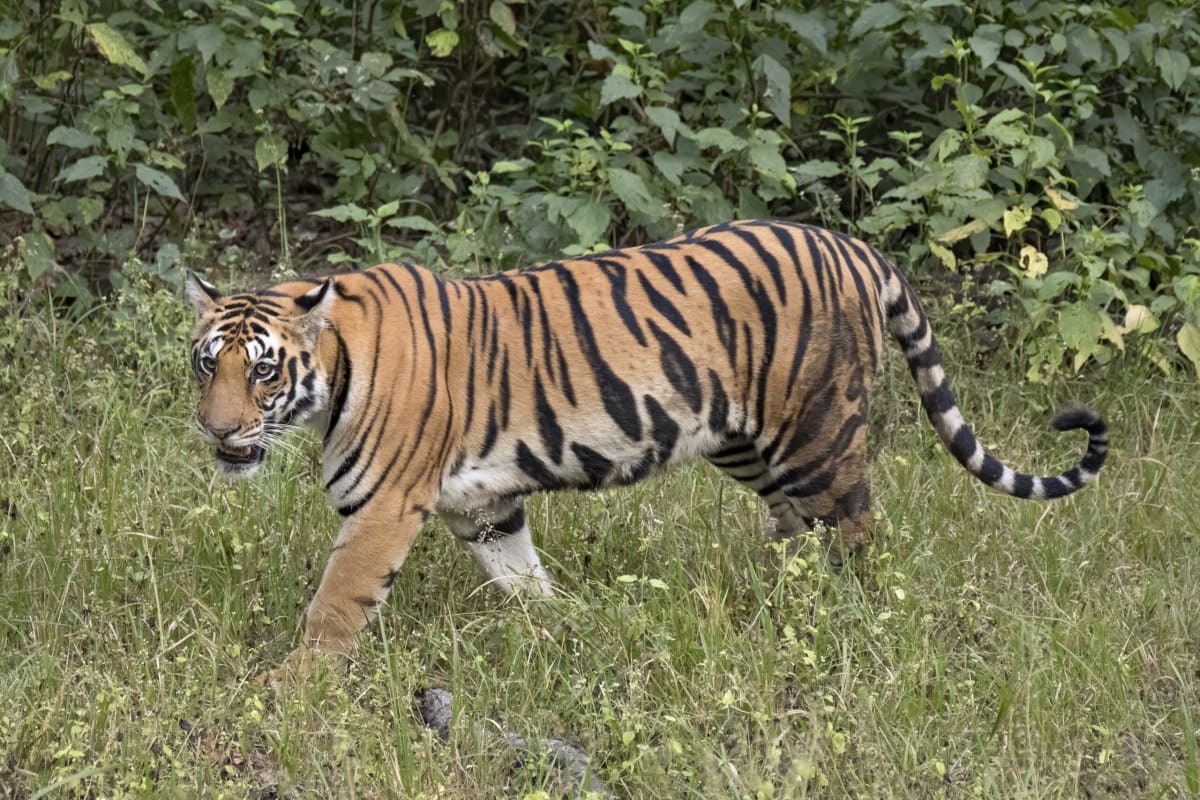
For the first time since 2007, tigers could roam Cambodia's forests again. The country is preparing to reintroduce Bengal tigers from India into one of its largest protected wilderness areas.
Cambodia is taking bold steps to bring tigers back to its forests after losing them nearly two decades ago.
The country declared tigers extinct in 2016 after the last confirmed sighting came from a camera trap in 2007. Poaching, habitat loss, and illegal wildlife trade had wiped out the majestic cats completely.
Now Cambodia has approved an ambitious plan to reintroduce Bengal tigers from India into Kravanh National Park in the Cardamom Mountains. India has successfully rebuilt its own tiger population over several decades and could provide the animals for this historic effort.
A soft-release enclosure is already built and ready. The goal is to restore an apex predator to one of Cambodia's largest remaining forest landscapes, potentially bringing ecological balance back to the ecosystem.
The project faces real challenges that need solving. Tigers need lots of prey to survive, and scientists disagree on whether the forest currently has enough wild pigs and other animals to support a healthy tiger population.
One 2020 study found the landscape might support only a small starter group of five tigers rather than the 25 adults needed for a truly thriving population. Small groups face risks from inbreeding and require careful long-term management.
Infrastructure development poses another concern. Logging roads and hydropower projects are expanding around the Cardamoms, which can make it easier for poachers to reach protected areas.
Why This Inspires
Despite the obstacles, this project represents something powerful: a country choosing to fix what was broken rather than accept permanent loss.
India proved that tiger populations can recover with dedicated protection and smart management. Cambodia now has the chance to write its own comeback story.
Success will require strong enforcement against poaching, protecting prey animals, and including local communities as partners in the effort. Many residents near the park haven't been fully consulted yet, and their support will be essential.
If Cambodia can address these challenges, future generations might grow up in a country where tigers once again roam wild forests.
More Images



Based on reporting by Mongabay
This story was written by BrightWire based on verified news reports.
Spread the positivity!
Share this good news with someone who needs it