Cement Industry Tackles Climate Crisis at Bangkok Summit
The world's cement producers are gathering in Bangkok this April to chart a path toward dramatically reducing emissions while meeting global construction demands. The conference signals a major shift in one of the planet's most carbon-intensive industries.
One of the world's most polluting industries just announced an ambitious plan to clean up its act, and the timing couldn't be better for our planet.
The World Cement Association is bringing together global leaders from April 19-21, 2026, at Bangkok's Athenee Hotel to tackle one of climate change's toughest challenges. Cement production accounts for roughly 8% of global carbon emissions, making this gathering a crucial moment for environmental progress.
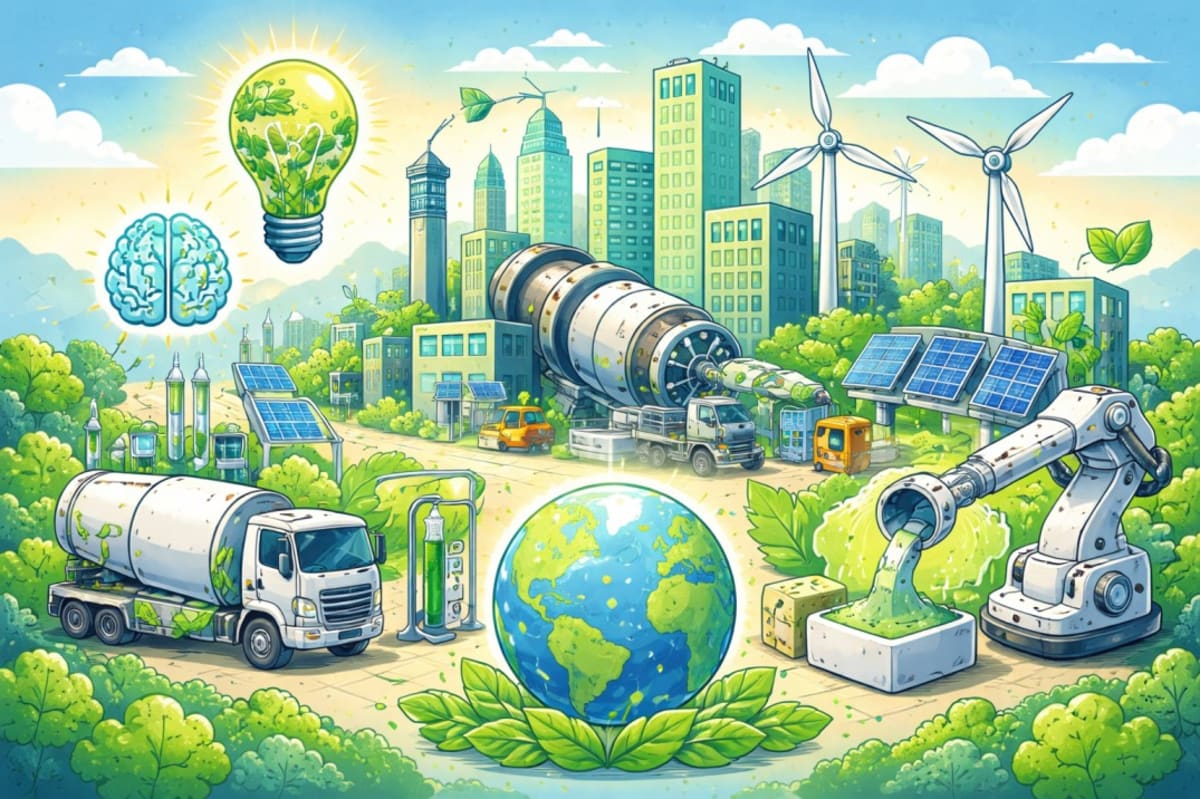
The conference agenda reads like a climate action wishlist. Industry experts will share breakthroughs in alternative fuels that replace fossil energy, new clay-based materials that slash emissions, and artificial intelligence systems that optimize kilns to burn cleaner while maintaining output.
Day one focuses on practical solutions already showing results. Companies will present real-world case studies on reducing emissions without losing competitiveness, proving that profitability and sustainability can coexist.
The second day tackles digital transformation, exploring how AI-driven operations are revolutionizing manufacturing. One standout innovation is circular concrete models that dramatically reduce waste by reusing materials, turning construction into a more sustainable cycle.
Philippe Richart, the Association's CEO, emphasized that cement producers face unprecedented pressure to decarbonize. This conference gives them the roadmap to do it.
The Ripple Effect
When cement goes green, entire cities benefit. Every building, road, and bridge built with lower-carbon cement means cleaner air for communities worldwide.
The changes discussed in Bangkok will reshape construction for generations. As developing nations build critical infrastructure and wealthy countries renovate aging structures, sustainable cement becomes essential for meeting climate goals while housing a growing global population.
The industry's willingness to collaborate openly on solutions shows how even carbon-intensive sectors can lead rather than resist change. Companies that once competed fiercely are now sharing breakthrough technologies because they recognize the planet's future depends on collective action.
The conference includes an awards ceremony recognizing companies and individuals pioneering sustainability innovations. These leaders prove that industrial transformation is possible when creativity meets commitment.
Bangkok's conference represents more than talk; it's where cement producers commit to measurable emission reductions backed by proven technologies already working in plants worldwide.
Based on reporting by Regional: thailand innovation (TH)
This story was written by BrightWire based on verified news reports.
Spread the positivity!
Share this good news with someone who needs it