Chemist Designs Precision Drugs to Save Endangered Animals
A former Big Pharma scientist is now creating custom medicines for loggerhead turtles, bald eagles, and even hemlock trees. His "conservation chemistry" could help species survive without the harmful side effects of human drugs.
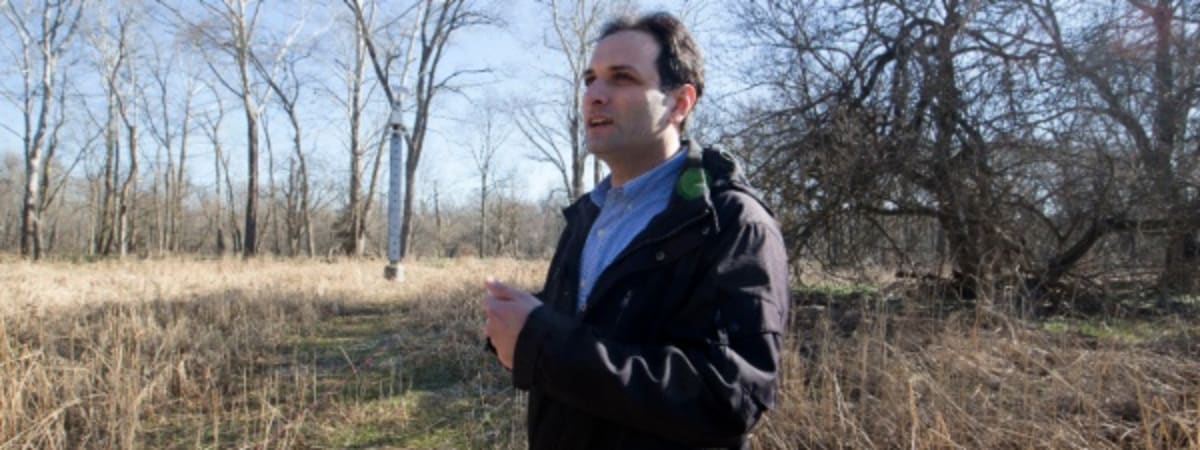
After 20 years developing cancer and diabetes treatments for humans, chemist Tim Cernak realized nature's patients deserved the same care.
The problem was glaring. When a frog gets a deadly skin infection, vets treat it with itraconazole, an antifungal designed for humans. The medicine often kills the frog it's meant to save.
Cernak imagined something different: drugs designed for the frog from the start. In 2018, he left Merck to become an associate professor at the University of Michigan, where he now creates precision medicines for wildlife.
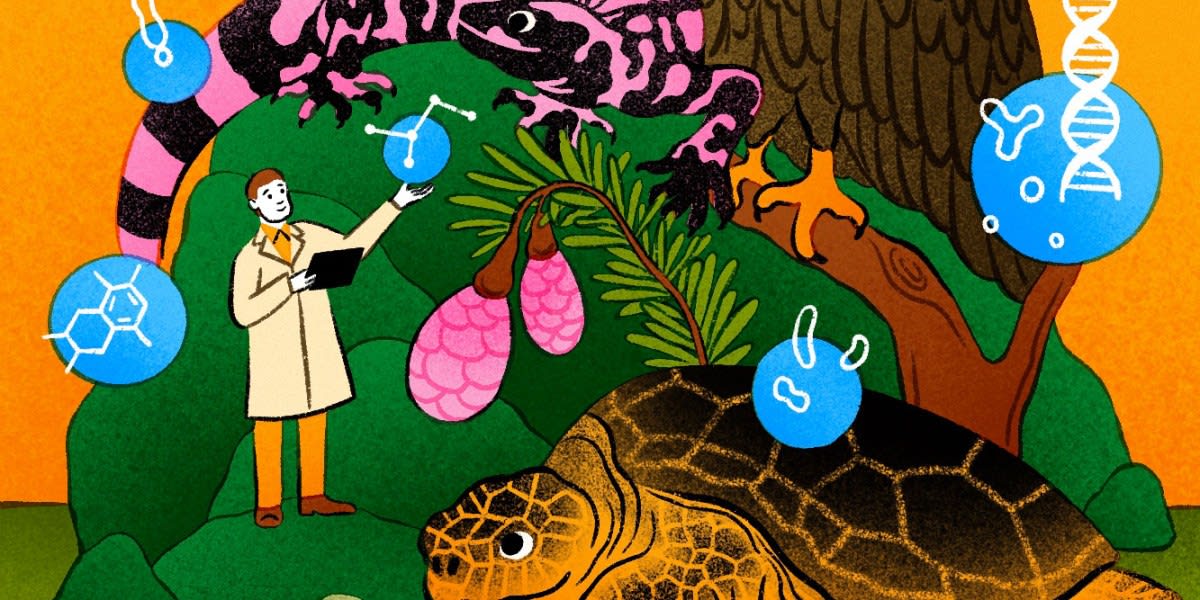
His patient list reads like a nature documentary. He's treated a Gila monster with parasites, bald eagles with avian flu, and loggerhead sea turtles suffering from contagious tumors. He's even developing a precision insecticide to protect hemlock trees from invasive species.
The breakthrough comes from AI. Google DeepMind's AlphaFold lets Cernak visualize a protein's 3D structure on screen instead of growing it in a lab, slashing development time. With robots running reactions, his team can test up to 1,500 potential drugs per day.
Cernak calls his field "conservation chemistry," a term that carries heavy baggage. DDT wiped out bald eagle populations in the 1960s. Cow painkillers killed millions of Indian vultures in the 1990s.
He knows the risks. But excluding chemists from conservation work feels like a bigger mistake.
Why This Inspires
Cernak feels especially motivated to help species that have already helped humans. The Gila monster's hormones informed weight loss drugs like Ozempic. Now he wants to return the favor with medicine that won't harm them.
His frustration drives him forward. The chemical tools used in conservation today lag decades behind human medicine. Meanwhile, Earth faces a mass extinction.
The contrast doesn't sit right with him. We have super high-tech engines for making human medicines while wildlife gets outdated, dangerous treatments.
Now one chemist is changing that, one species at a time.
Based on reporting by MIT Technology Review
This story was written by BrightWire based on verified news reports.
Spread the positivity!
Share this good news with someone who needs it