Chile Launches Pilot to Turn Pulp Waste Into Clean Fuel
Three Chilean companies are turning carbon emissions from paper production into synthetic fuel that could power planes and ships. The pilot project in Biobío region combines biogenic CO2 with green hydrogen to create e-fuels, demonstrating how industrial waste can become clean energy.
A paper mill in Chile is about to become an unexpected laboratory for the future of clean aviation and shipping fuel.
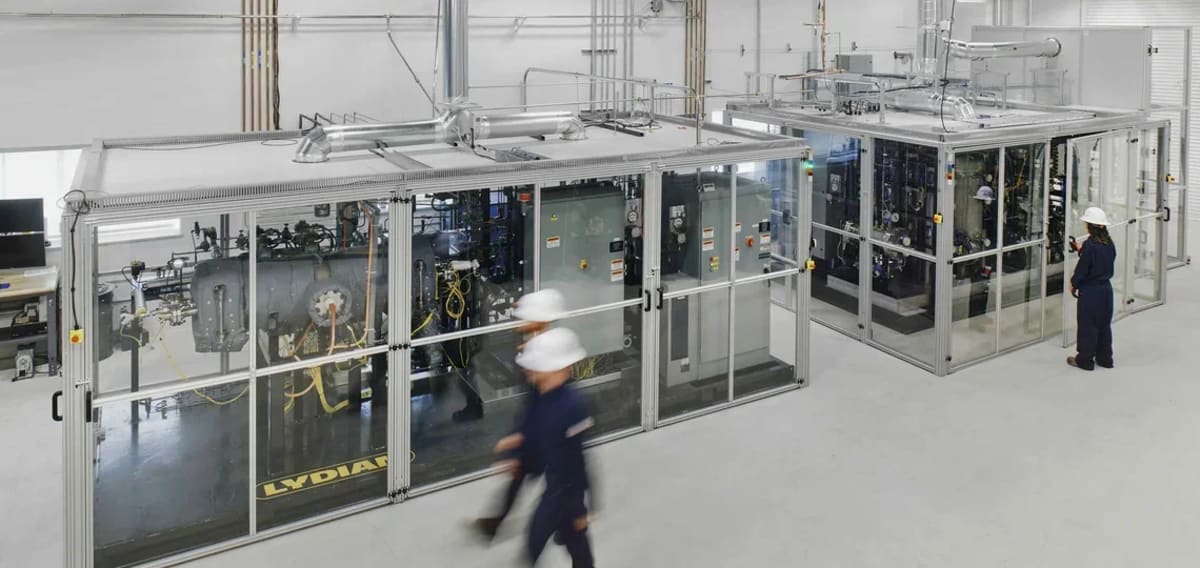
Arauco, Copec, and Abastible have launched SynFuels Biobío, a pilot project that captures carbon dioxide from pulp production and transforms it into synthetic fuels. Instead of releasing CO2 into the atmosphere, the facility will combine it with green hydrogen to create e-fuels that could one day power jets and cargo ships.
The project addresses one of the toughest challenges in fighting climate change: how to fuel vehicles that can't easily run on batteries. Heavy trucks, container ships, and commercial aircraft need energy-dense fuels that electricity alone can't provide.
Here's how it works: the team captures biogenic CO2 already being produced during papermaking at Planta Arauco in the Biobío region. They combine it with hydrogen made from renewable electricity and demineralized water. Advanced processes then transform this mixture into usable synthetic fuels and other valuable products.
The entire operation runs on renewable energy. This combination of available CO2, clean power, and existing industrial infrastructure in one location creates conditions rarely found elsewhere in the world.
Led by Bioforest, Arauco's research center, the project received backing from Corfo, Chile's economic development agency. The support comes through a national program designed to speed up hydrogen technology adoption across Chilean industry.
The Ripple Effect
The pilot isn't about mass production yet. Instead, the three companies are focused on proving the technology works, training local teams, and gathering technical knowledge that could transform Chile's industrial landscape.
The collaboration brings together complementary strengths: Arauco's forestry expertise, Copec's energy know-how, and Abastible's industrial capabilities. Together, they're building a blueprint that other regions with similar resources could follow.
Future phases could expand into producing synthetic sustainable aviation fuel and synthetic liquefied gas. Both would offer low-carbon alternatives for sectors that have few other options for going green.
The companies say Biobío region is becoming a real-world testing ground for technologies that will define energy transition in coming decades. By using resources already present, turning waste into value, and creating pathways to cleaner fuels, the project shows how industrial regions can lead climate solutions rather than just adapt to them.
Chile is proving that the bridge to cleaner energy might already exist in the places we make things today.
More Images

Based on reporting by Google News - Chile Renewable Energy
This story was written by BrightWire based on verified news reports.
Spread the positivity!
Share this good news with someone who needs it