China and Europe Launch Joint Mission to Shield Earth
Scientists from China and Europe just launched a satellite to protect our planet from dangerous solar storms. The rare collaboration shows space can still bring nations together even as competition heats up.
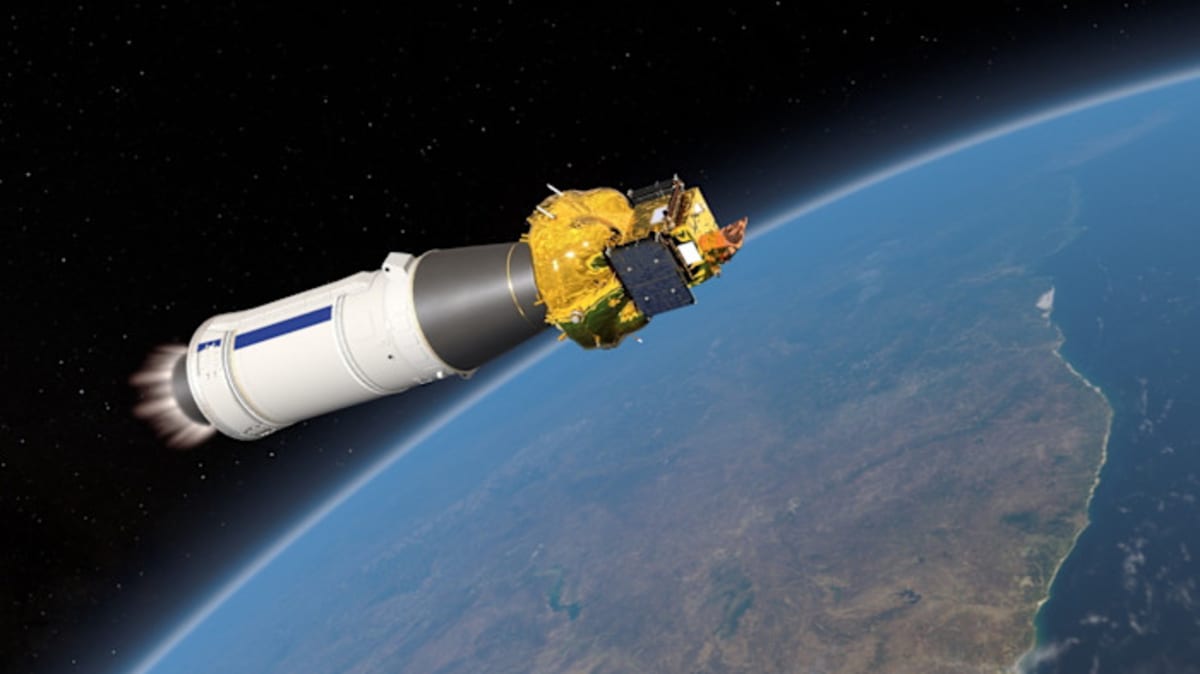
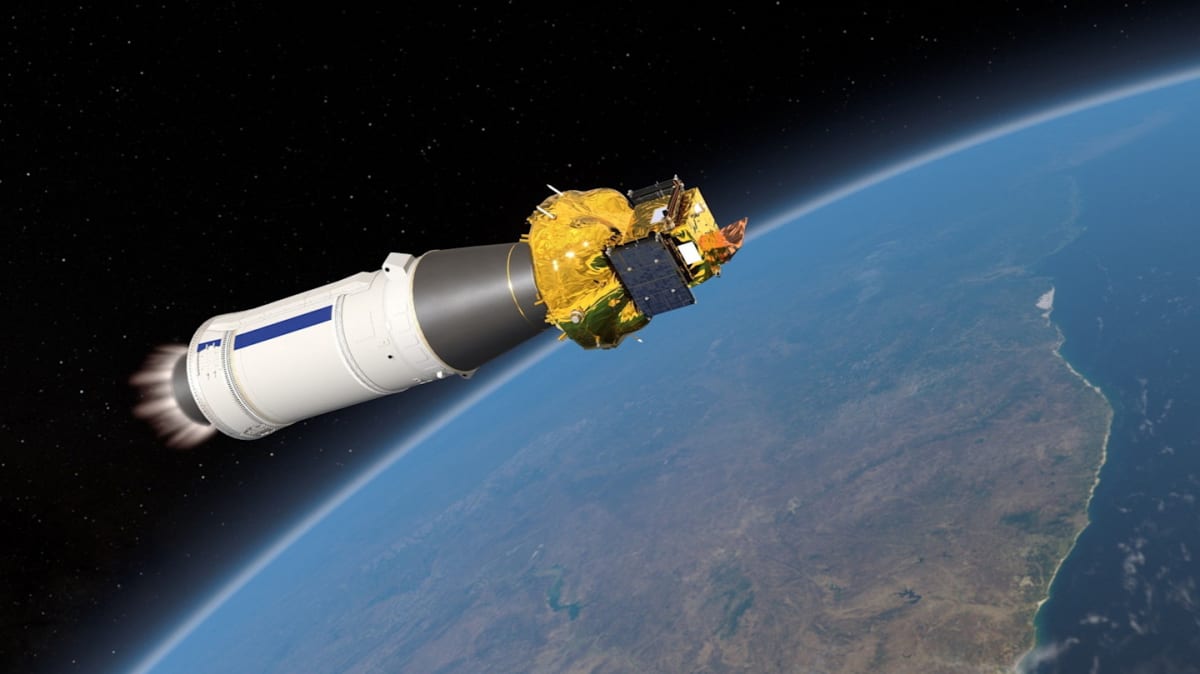
A satellite the size of a small car blasted into space Thursday on a mission to protect Earth from the Sun's most violent outbursts.
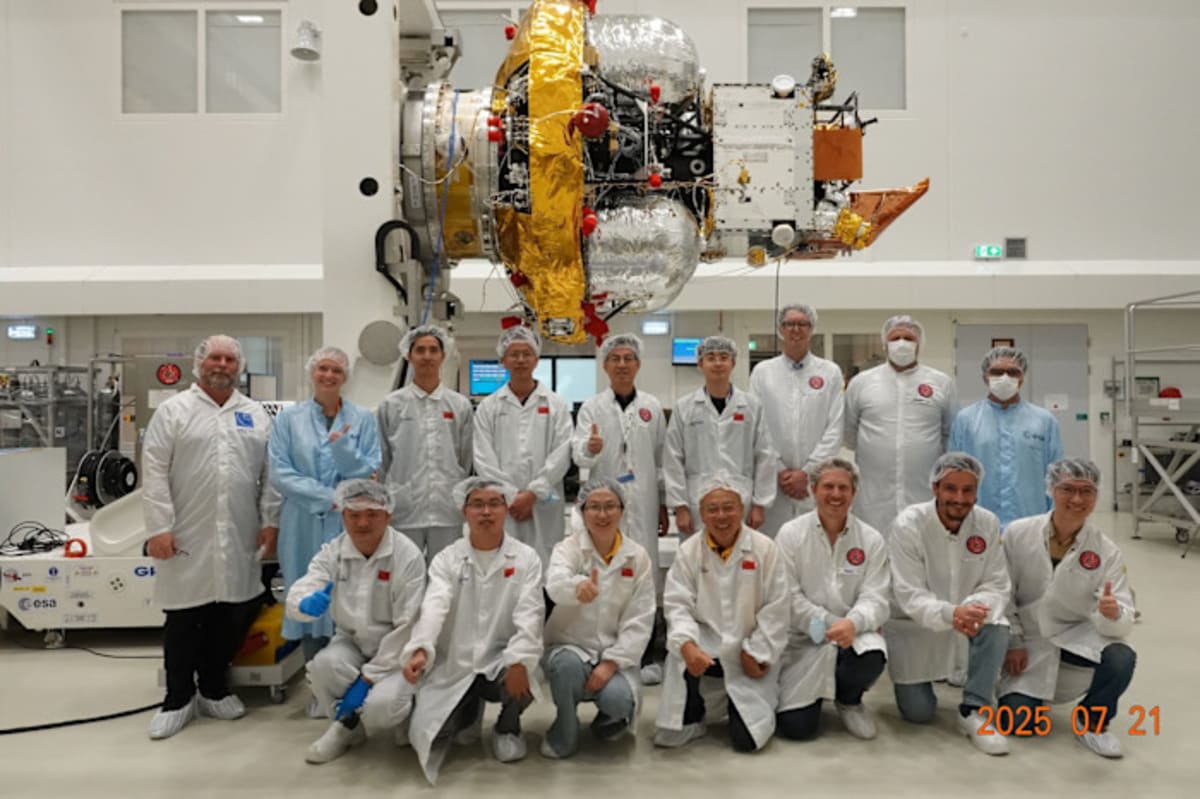
The Smile satellite represents something increasingly rare: China and Europe working together on cutting-edge technology. When the Chinese Academy of Sciences and European Space Agency agreed to the project in 2016, the world looked very different. Now, as the US and China race to return humans to the Moon, this partnership stands out as proof that scientific collaboration can survive geopolitical tensions.
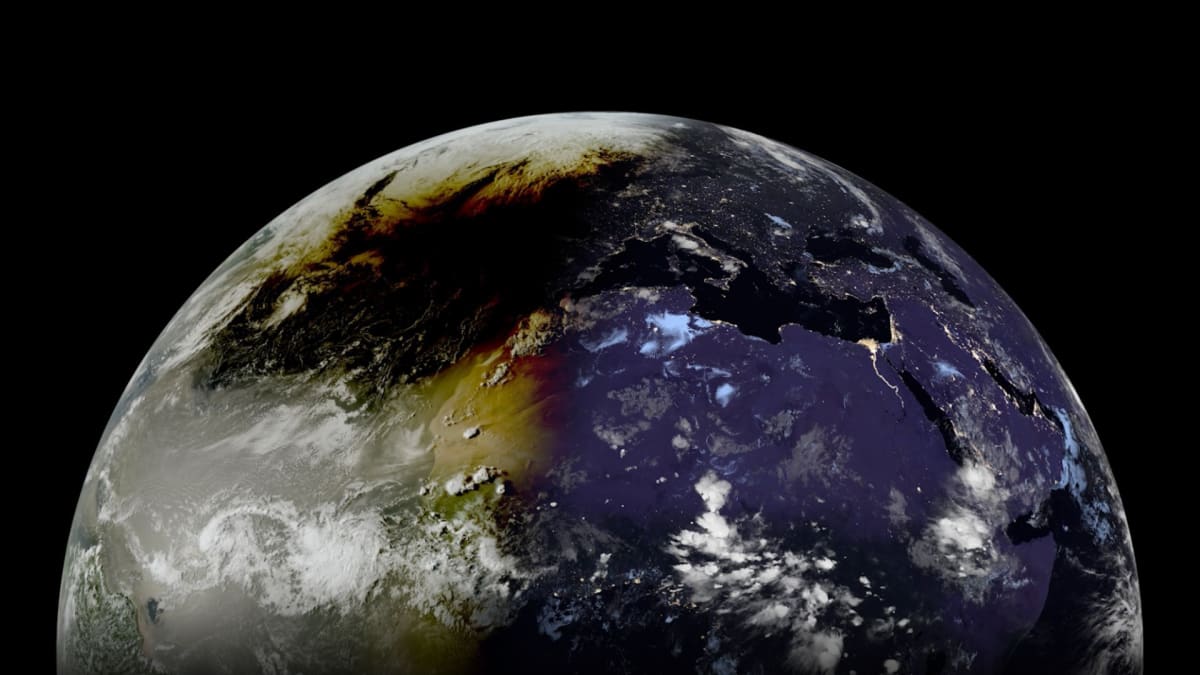
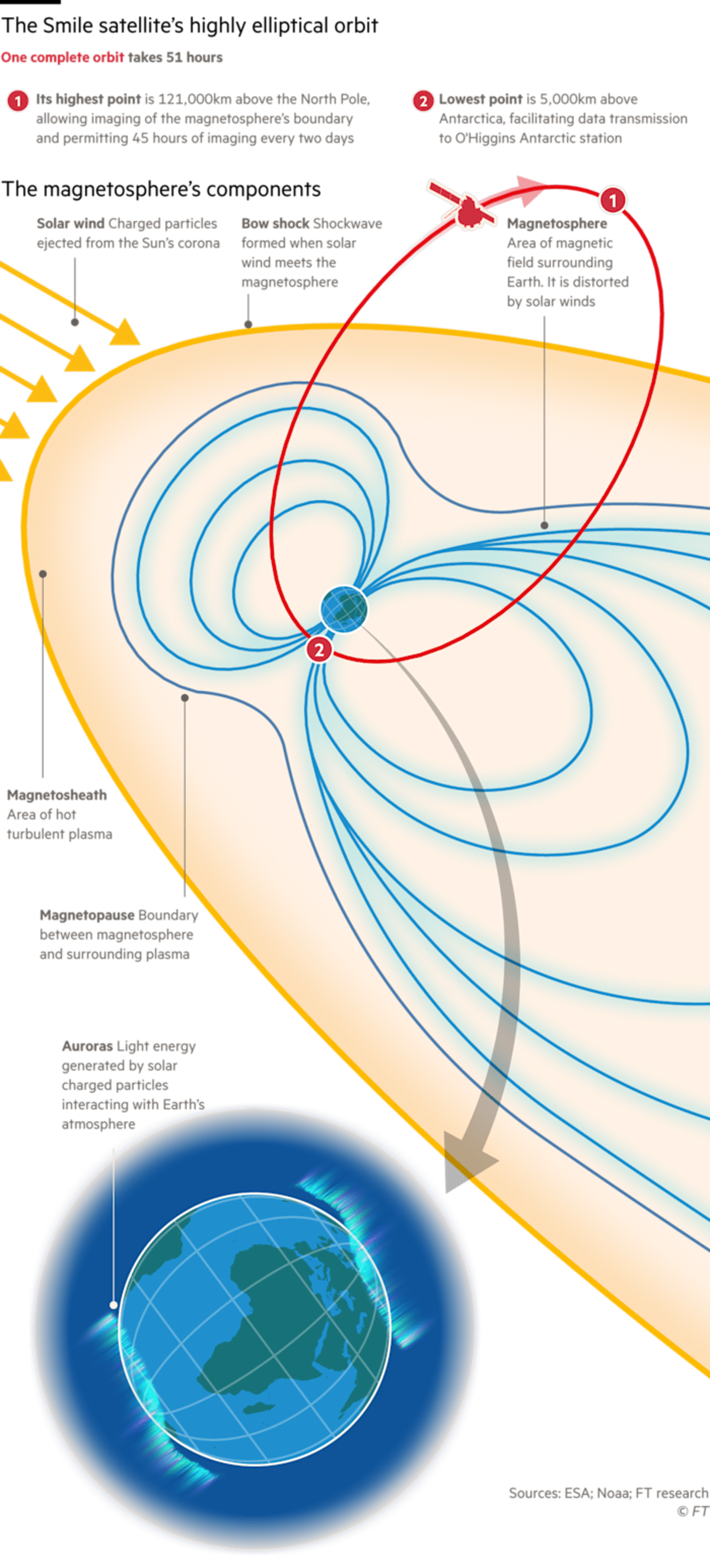
The mission has a clear purpose. Smile will study how Earth's magnetic field shields us from harmful solar radiation and help predict dangerous geomagnetic storms before they strike.
These storms aren't just pretty light shows. The last big one in May 2024 disrupted GPS signals and radio communications worldwide. In 1989, a solar storm knocked out power for 6 million Canadians for nine hours. Scientists warn that a repeat of the massive 1859 Carrington event, which destroyed telegraph networks globally, could cost trillions of dollars today.
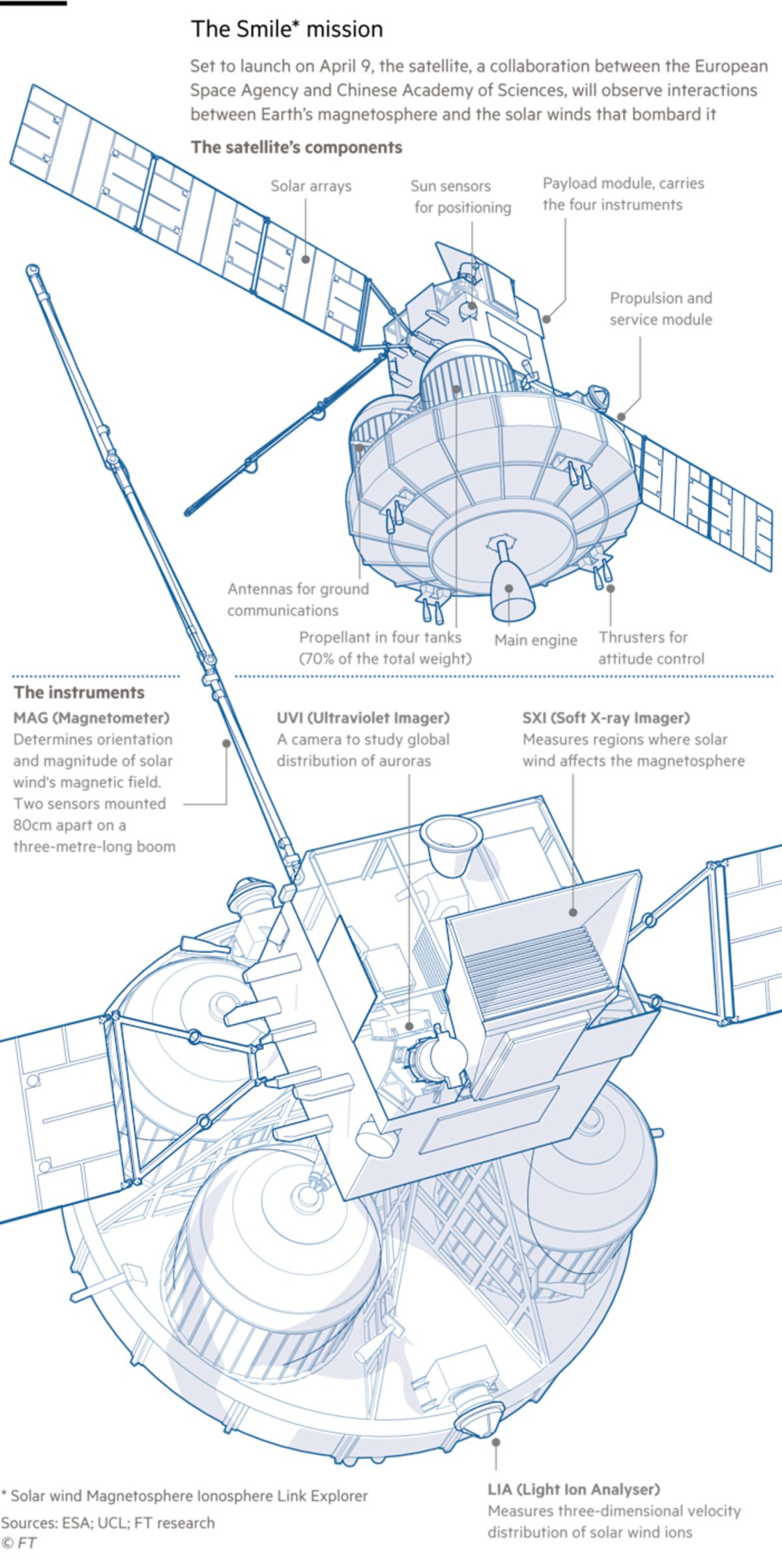
From 121,000 kilometers above the North Pole, Smile's four instruments will fill critical gaps in our understanding. A soft X-ray imager built by Leicester University will map the boundaries of Earth's magnetic bubble for the first time. An ultraviolet camera will watch the northern lights continuously for up to 45 hours, showing exactly what happens when solar wind slams into our magnetic shield.
"We will be able to see how our magnetic bubble changes its shape, whether it does this smoothly or in steps, and how it gets squeezed down as eruptions from the Sun pass Earth," said Colin Forsyth, a space scientist at University College London. "We've never done anything like this before."
The road to launch wasn't smooth. Export controls on sensitive technology, safety regulations, and technical problems delayed the mission by at least a year. Even labeling ammonia in heat pipes as dangerous goods required special approvals across multiple countries.
The Ripple Effect
Better solar storm predictions mean power companies can shut down vulnerable equipment before damage occurs. Airlines can reroute flights away from affected areas. Satellite operators can put spacecraft into safe mode. The data from Smile could help prevent billions in damages and keep critical infrastructure running when the Sun throws its next tantrum.
Scientists on both continents have worked together seamlessly throughout the project, proving that research transcends politics. While no follow-up mission is currently planned, both agencies say they want to keep the door open for future collaboration.
Smile launched during a solar maximum, when the Sun is most active, giving scientists the perfect conditions to study our planet's defenses at their most tested.
More Images
Based on reporting by Google News - Science
This story was written by BrightWire based on verified news reports.
Spread the positivity!
Share this good news with someone who needs it