China Beams 1,180 Watts Wirelessly to Moving Targets
Chinese researchers just solved a key challenge in space-based solar power by wirelessly transmitting enough energy to run an air conditioner to multiple moving targets 100 meters away. The breakthrough brings 24/7 clean energy from space closer to reality.
Imagine powering your home with sunlight that never sets. Chinese scientists just took a major step toward making that dream real.
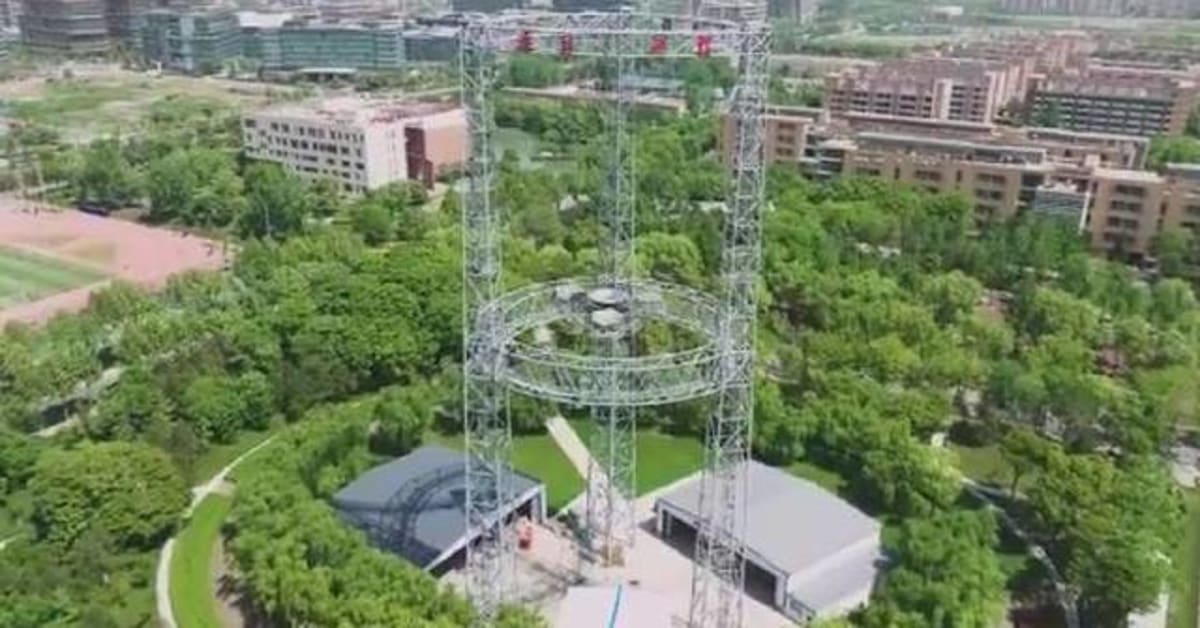
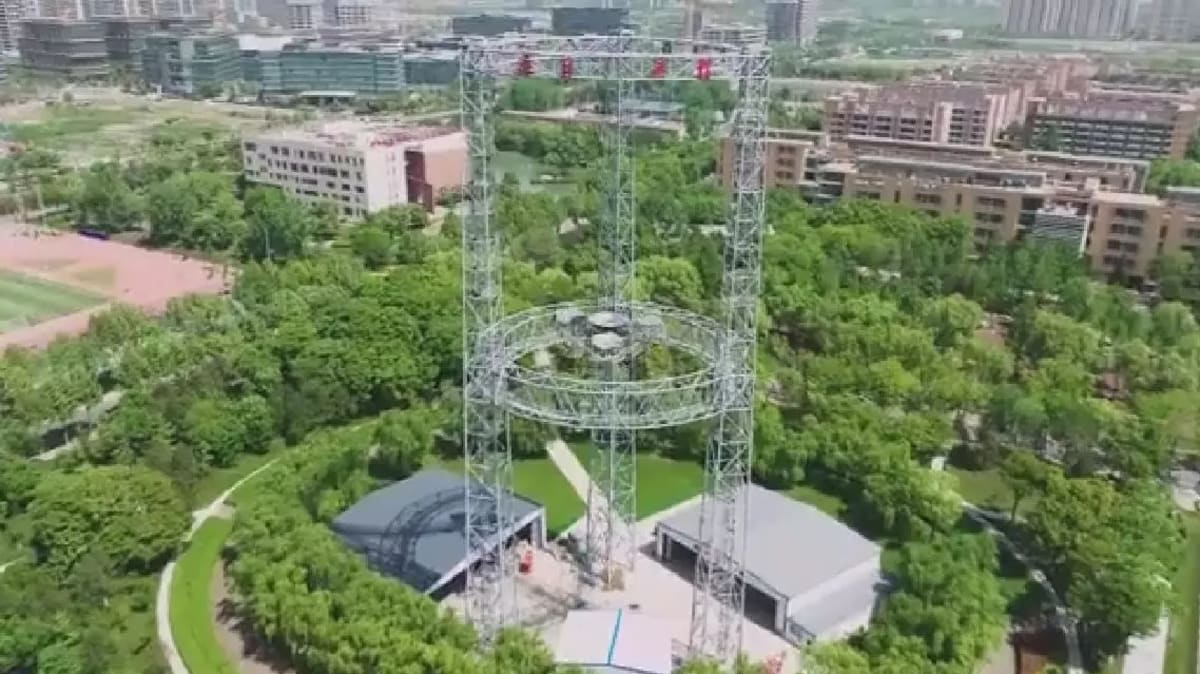
Researchers at Xidian University successfully beamed 1,180 watts of power wirelessly to multiple moving targets simultaneously, enough electricity to run a household air conditioner. The system tracked targets moving at high speeds and adjusted in real time, maintaining a stable energy connection without losing the signal.
The achievement is part of China's Sun Chasing project, launched in 2022 to build the world's first space solar power station. These orbital power plants would collect sunlight 24 hours a day in space, then beam that energy down to Earth or spacecraft using microwaves.
The technical challenge was enormous. Keeping invisible energy beams locked onto fast-moving targets requires split-second precision. The team developed a closed-loop control system that lets receiving antennas send out guiding signals, allowing the transmitting antenna to instantly calculate their position and adjust the beam direction.
To prevent damage from misaligned beams, engineers upgraded key components with gallium nitride diodes that can handle sudden power fluctuations. The outdoor tests showed impressive results: 88 percent of the transmitted beam reached its target, with overall transmission efficiency hitting 20.8 percent over 100 meters.
The team also tested a drone charging system, delivering 143 watts of stable power to a drone flying 30 kilometers per hour from 30 meters away. That means aircraft could stay airborne indefinitely, receiving power as they fly.
The Ripple Effect
Space-based solar power could transform how humanity generates electricity. Unlike ground-based solar panels that only work during daylight, orbital stations would collect energy continuously, providing uninterrupted clean power around the clock.
The technology could eliminate our dependence on fossil fuels while powering deep space missions that currently rely on limited battery life. Remote communities without access to power grids could receive energy beamed directly from space.
Associate Professor Fan Guanheng explained the broader vision: wireless charging infrastructure in space could revolutionize how we power satellites and spacecraft, enabling missions previously impossible due to energy constraints.
The Sun Chasing project is now entering phase two, tackling the remaining engineering challenges before moving from ground tests to actual space deployment. What once seemed like science fiction is becoming engineering reality, one wireless watt at a time.
Clean, unlimited energy from space is no longer a distant dream but an approaching dawn.
More Images


Based on reporting by Google: solar power breakthrough
This story was written by BrightWire based on verified news reports.
Spread the positivity!
Share this good news with someone who needs it