China Building World's Largest Astronomy Base by 2030s
High on the Tibetan plateau, China is constructing massive telescopes that will soon surpass Hawaii's legendary observatories in stargazing power. By the mid-2030s, Saishiteng Mountain will host Earth's most powerful collection of optical telescopes.
China is turning a remote mountain peak into humanity's most powerful window to the cosmos.
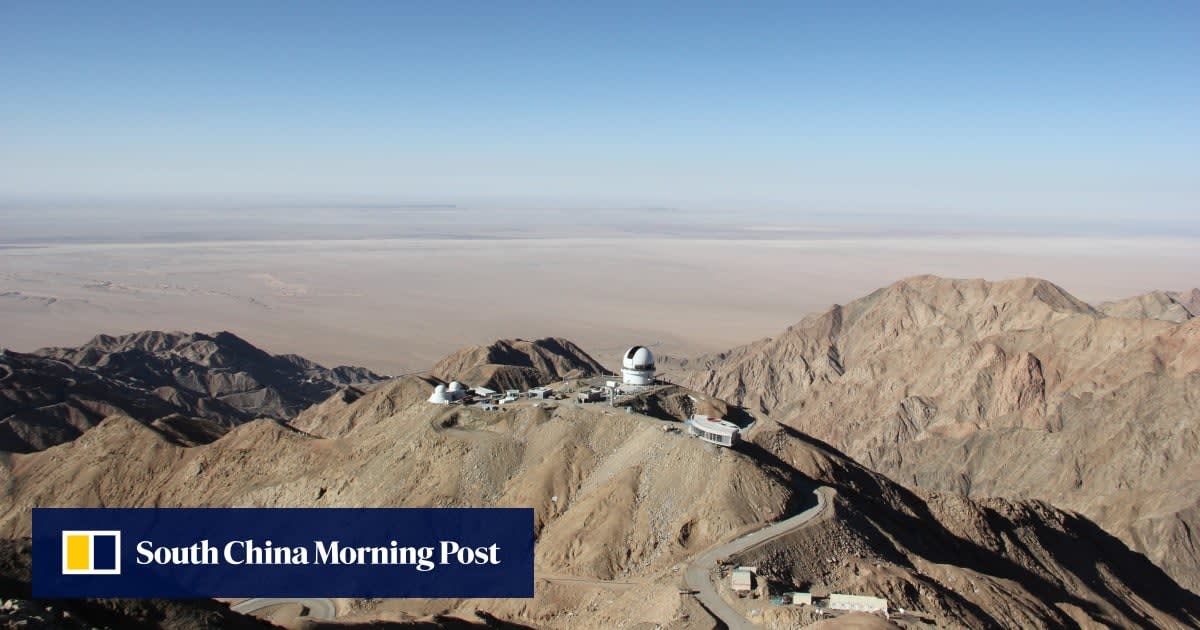
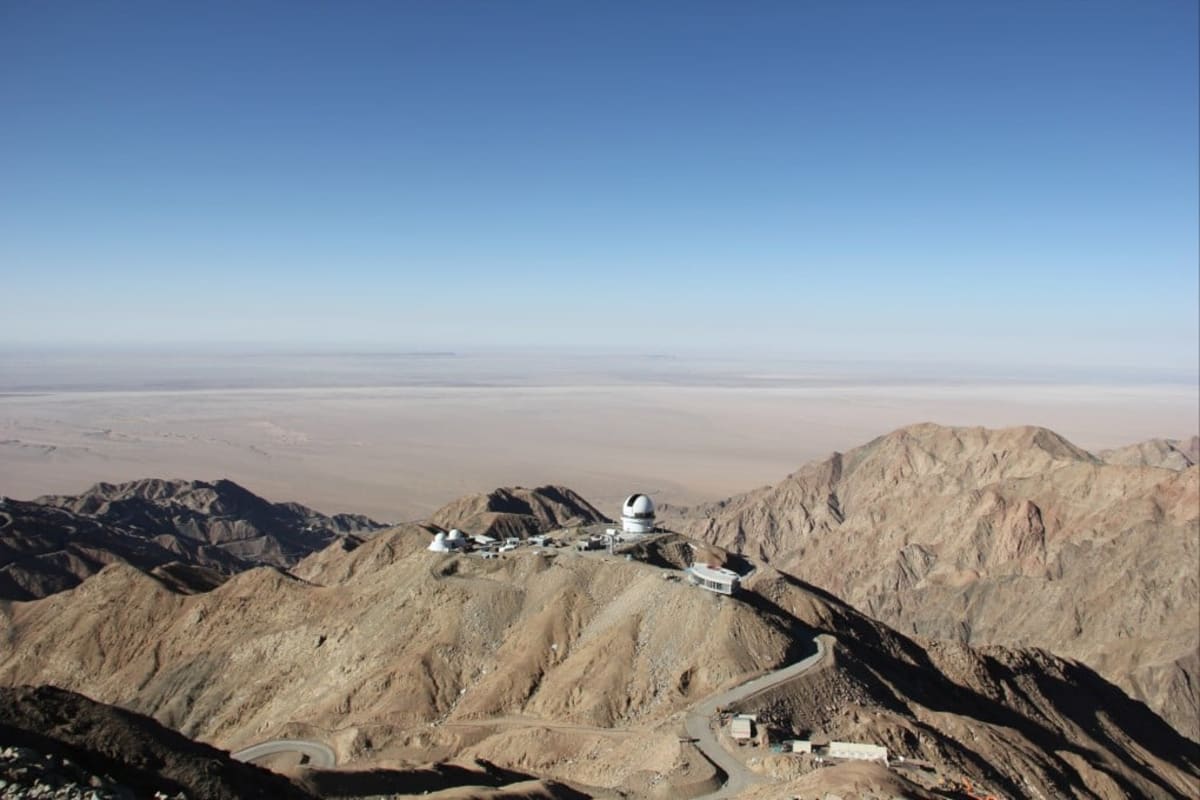
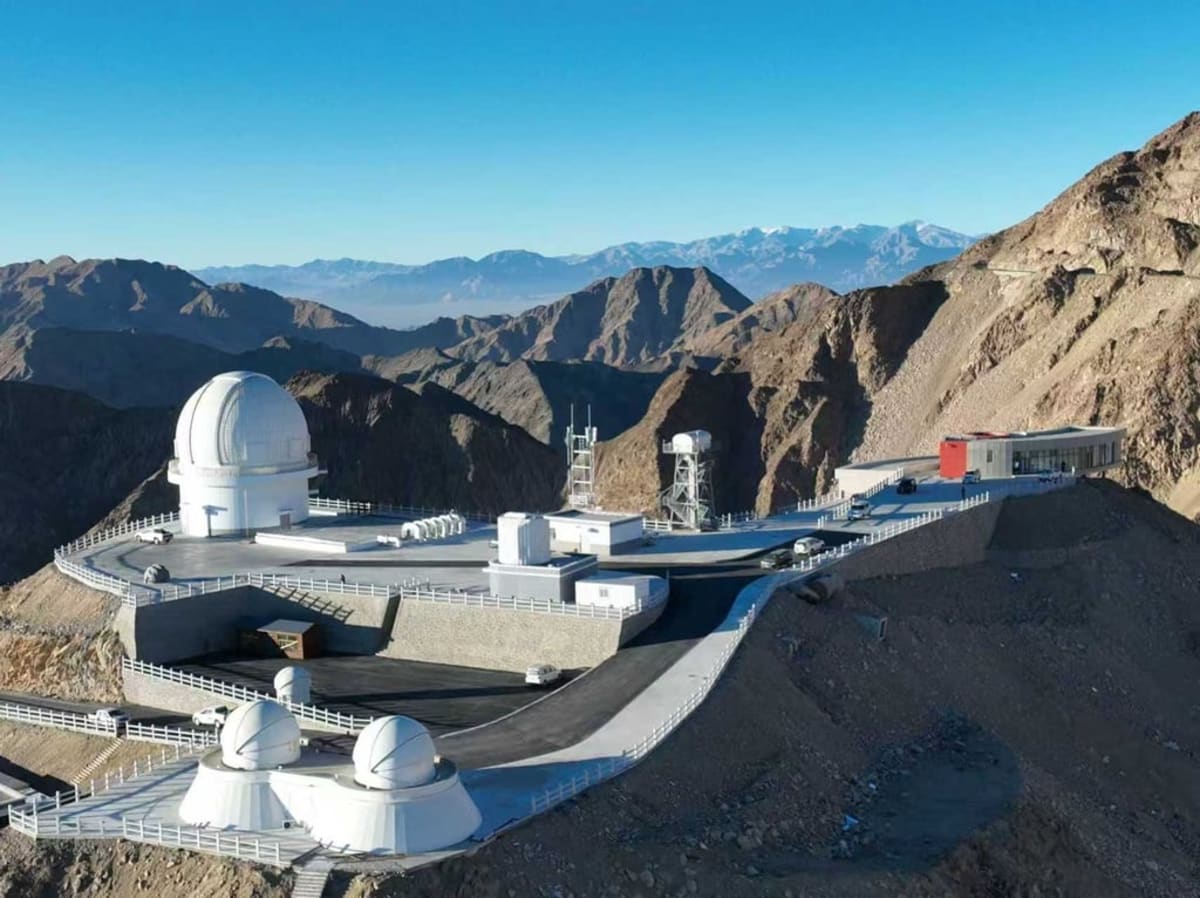
At Saishiteng Mountain in northwestern Qinghai province, construction crews are building telescopes up to 14.5 meters wide on the Tibetan plateau. These instruments will combine forces with dozens of smaller telescopes to create the world's largest astronomy base by the mid-2030s.
The project's collective light-gathering power will surpass Hawaii's Mauna Kea, long considered the gold standard for ground-based astronomy. Mauna Kea currently hosts giants like the twin 10-meter Keck telescopes and the 8.2-meter Subaru telescope.
Two flagship projects are already underway at the site. The Large Optical Telescope (LOT), stretching 14.5 meters across, is backed by $369 million in government funding and led by the National Astronomical Observatories of China. The MUltiplexed Survey Telescope (MUST), measuring 6.5 meters, draws primarily from private investment and is guided by scientists at Tsinghua University.
Both telescopes aim to achieve "first light," meaning they'll be ready for practical astronomical observation, by 2030. Engineers are already polishing mirrors and developing instruments for the massive undertaking.
Lead scientist Deng Licai from the National Astronomical Observatories confirmed that groundwork has begun across the mountain site. Telescope domes already dot the summit, marking the transformation of this high-altitude location into a scientific powerhouse.
The Ripple Effect
This ambitious project represents more than just bigger telescopes. It signals a new era of international collaboration in space science, with both public funding and private capital working together to expand humanity's view of the universe.
The Tibetan plateau's high altitude and clear skies make it ideal for observing distant galaxies, searching for exoplanets, and unraveling cosmic mysteries. Scientists worldwide will benefit from the data these instruments collect, advancing our understanding of everything from dark matter to the origins of stars.
By combining government resources with private innovation, China is creating a model for large-scale scientific infrastructure that could inspire similar projects globally.
Soon, astronomers will have an unprecedented tool for exploring the universe's deepest secrets from one of Earth's most remote peaks.
More Images
Based on reporting by South China Morning Post
This story was written by BrightWire based on verified news reports.
Spread the positivity!
Share this good news with someone who needs it