China's Landspace Joins Elite Rocket Recovery Club
A Chinese startup just became only the third organization ever to land a rocket booster vertically, joining SpaceX and Blue Origin in an exclusive club. Even better, they plan to refly it within six months.
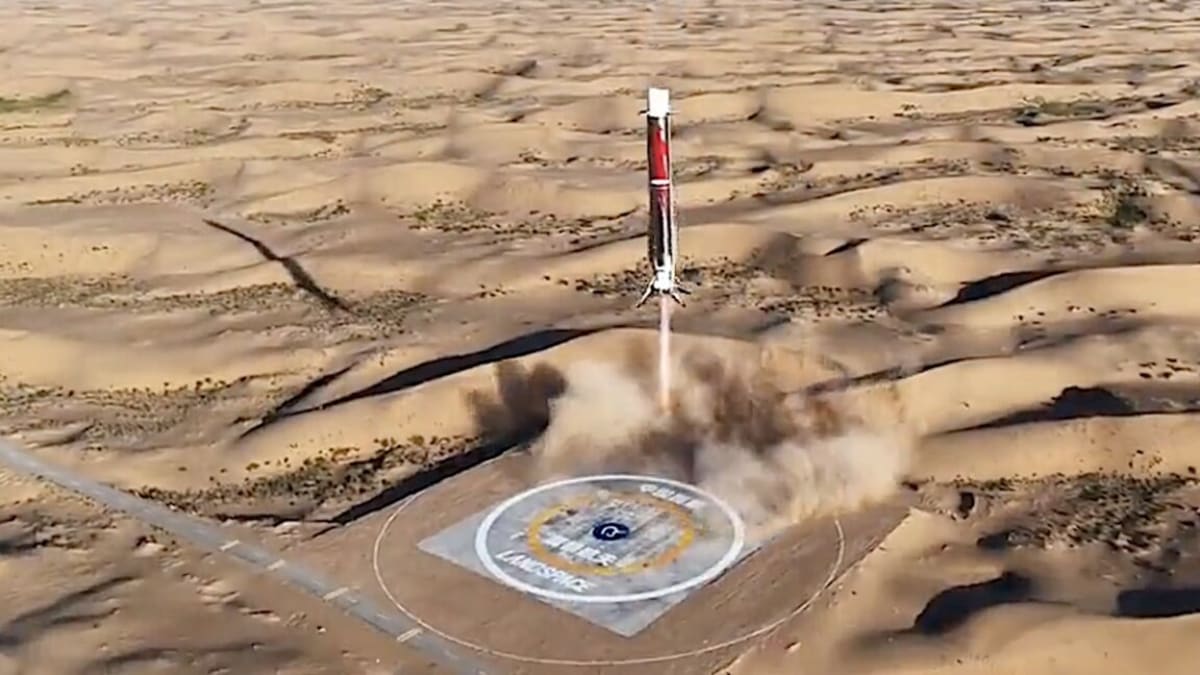
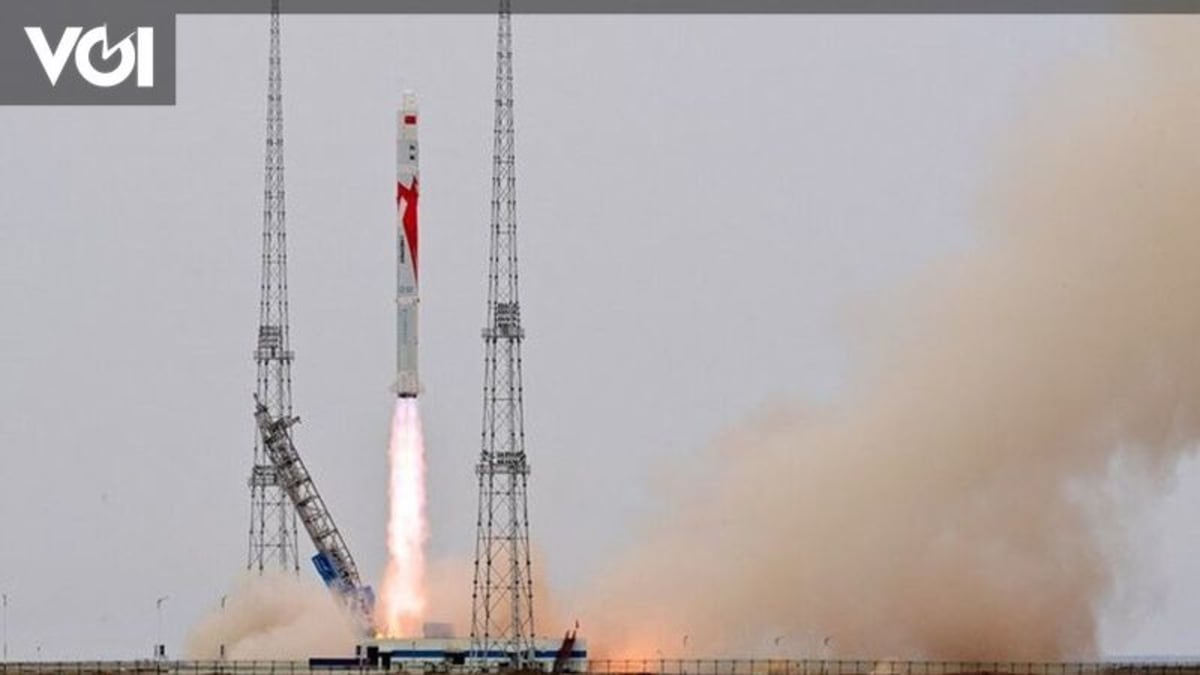
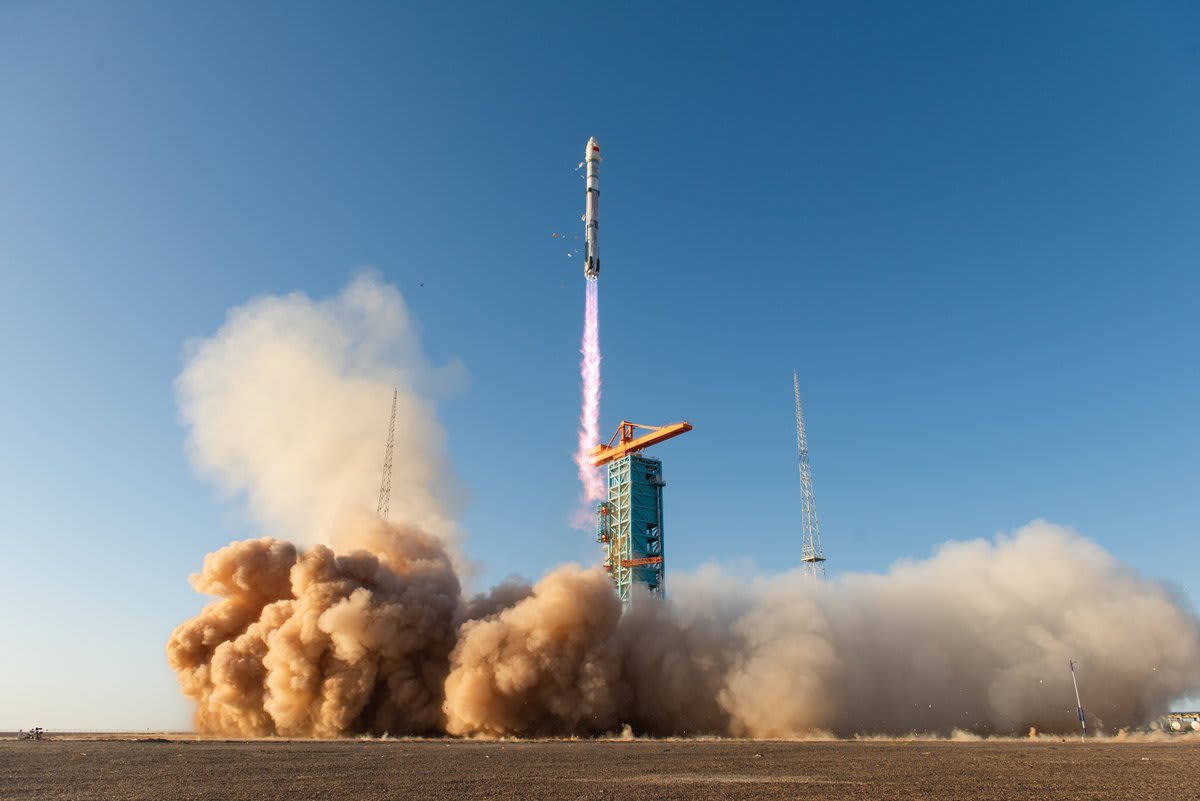
Chinese commercial space company Landspace made history on August 18 when its Zhuque-3 rocket delivered a satellite to orbit, then brought its first stage back for a perfect vertical landing. The company joins SpaceX and Blue Origin as the only entities worldwide to successfully land an orbital-class rocket booster on legs.
The achievement marks a stunning turnaround from just eight months ago, when Landspace's first landing attempt failed during descent. The team went back to the drawing board, simplifying the landing burn system, upgrading heat protection, and adding smarter onboard safety controls.
Now comes the exciting part. Landspace told Chinese financial media they're planning to refly the recovered booster within six months, a timeline that would demonstrate serious confidence in their system.
The rocket touched down at a recovery site in Gansu province, about 240 miles from its launch pad at Jiuquan. While China's state-owned space program caught a different rocket booster in a net at sea last month, Landspace became the first Chinese company to recover one on solid ground.
Why This Inspires
This achievement shows how competition drives innovation. Landspace is one of at least eight Chinese companies racing to develop reusable rockets, alongside established players and ambitious newcomers. The company aims for each Zhuque-3 first stage to fly at least 20 times.
Reusable rockets matter because they dramatically reduce the cost of reaching space. What once required building a brand new rocket for every launch could soon become as routine as refueling an airplane. That opens doors for more satellite launches, scientific missions, and space-based services that benefit life on Earth.
The technical improvements Landspace made after their first failure demonstrate the kind of persistent problem-solving that moves entire industries forward. Fewer engines in the landing burn meant simpler systems and better reliability, while enhanced heat shields protected against the extreme temperatures of reentry.
The mission also carried an experimental computing payload from China Mobile, part of a growing effort to process data in space rather than sending everything back to Earth. These distributed computing networks could eventually speed up services from weather forecasting to communications.
Six months is an aggressive timeline for a reflight, but it signals Landspace's ambition to move quickly from proof-of-concept to operational capability. The future of affordable space access is taking shape, one successful landing at a time.
Based on reporting by SpaceNews
This story was written by BrightWire based on verified news reports.
Spread the positivity!
Share this good news with someone who needs it