Chinese Automaker XPENG Launches Mass-Produced Robotaxis
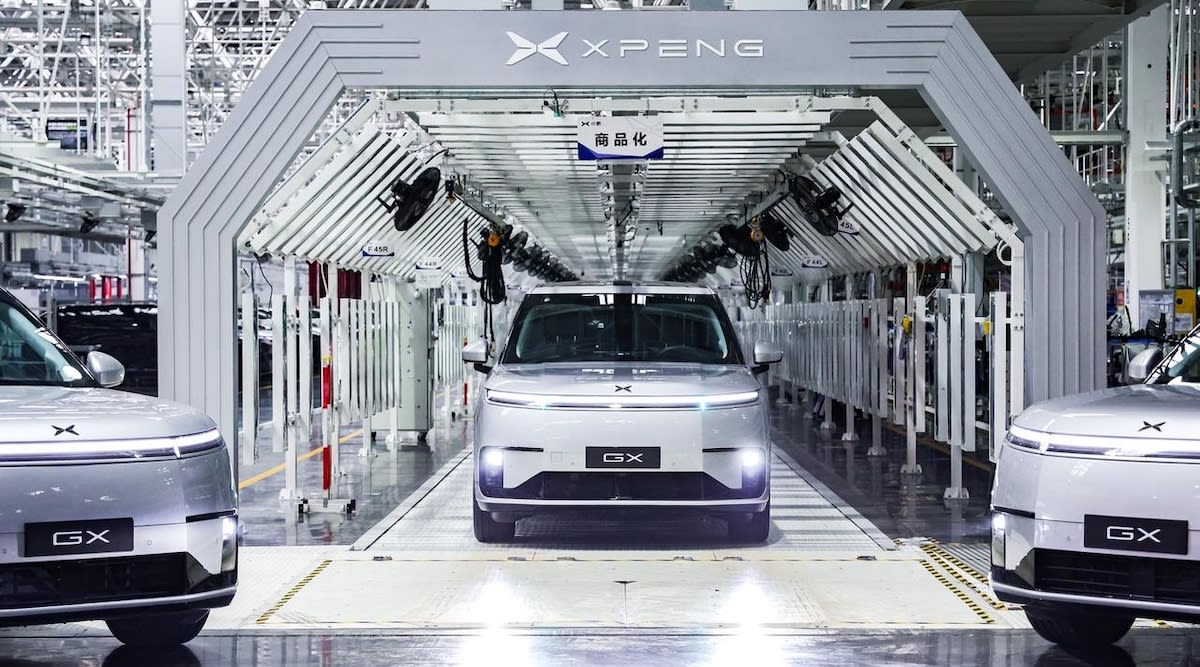
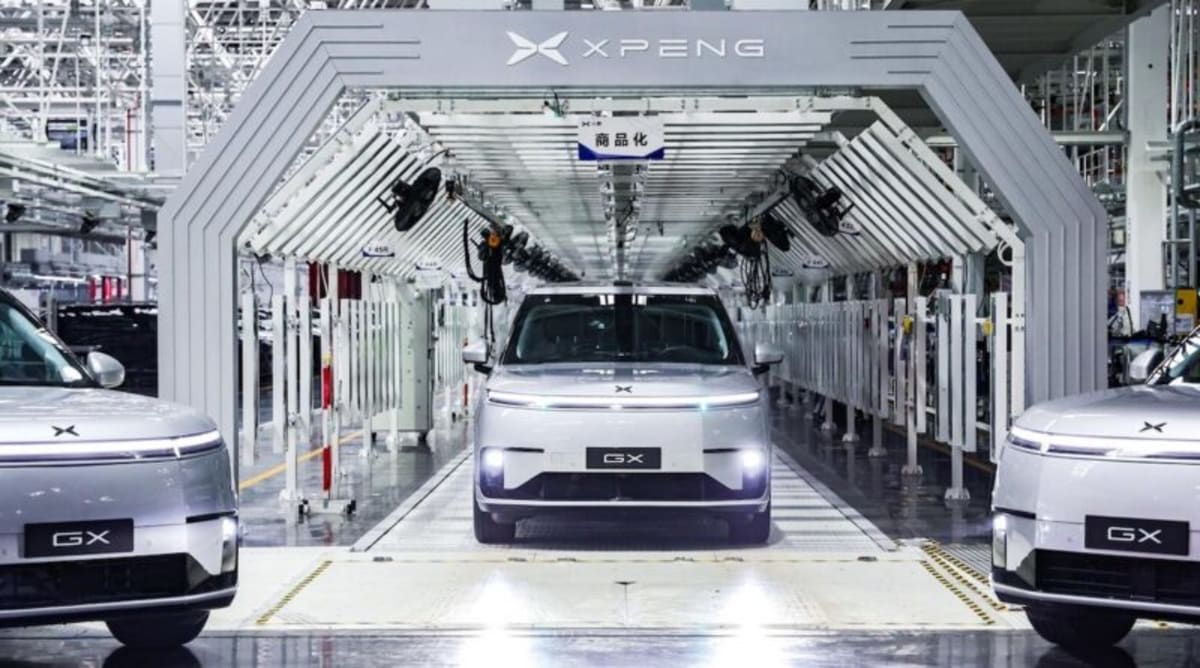
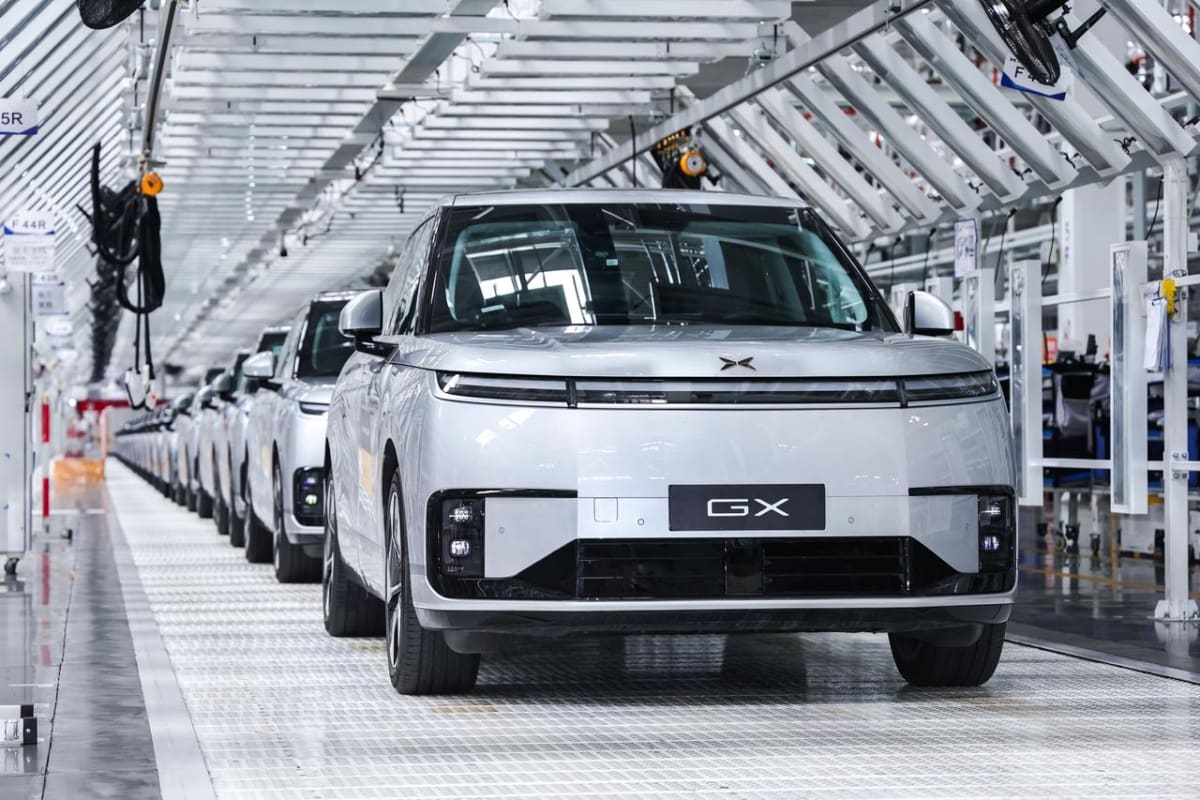
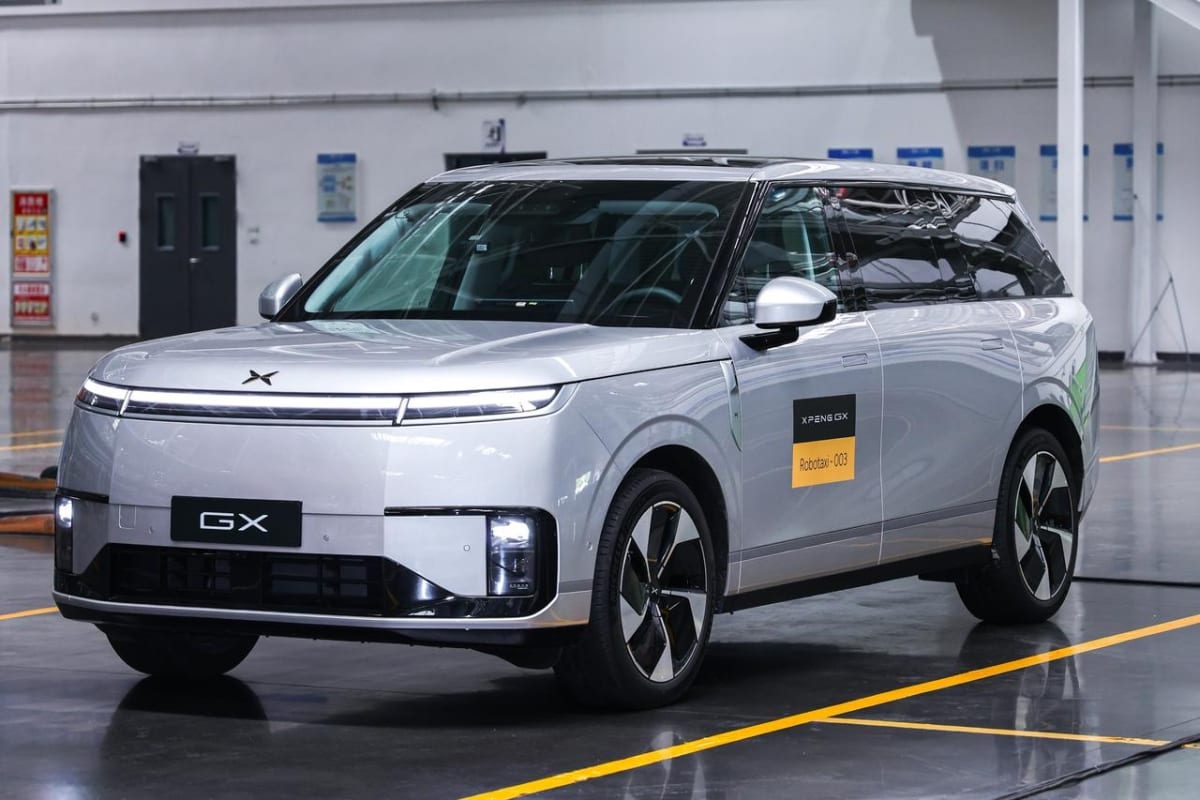
XPENG just became the first car manufacturer in China to mass-produce robotaxis using entirely in-house technology. The electric vehicle maker plans to start pilot operations this year and go fully driverless by 2027.
📺 Watch the full story above
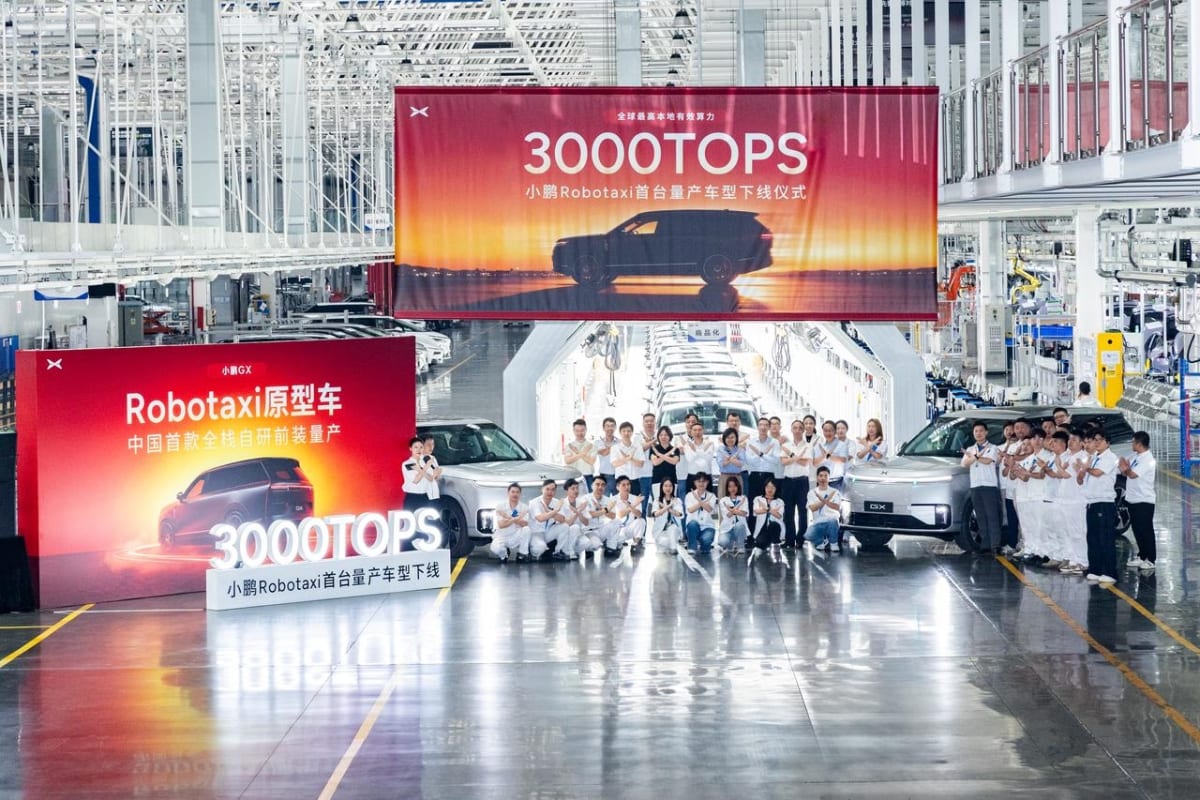
A Chinese electric car company is making history by rolling out the world's first mass-produced robotaxi built entirely by an automaker. XPENG announced this week it has begun producing autonomous taxis in Guangzhou, marking a major milestone in the race toward self-driving transportation.
Unlike existing robotaxis from tech giants like Baidu, XPENG developed every piece of technology inside its new vehicles. The company designed its own artificial intelligence chips, software, and autonomous driving systems from the ground up.
The new robotaxi achieves Level 4 autonomous driving, meaning it can handle all driving tasks without human intervention in specific conditions. Powered by four custom-built chips, the vehicle processes information at an impressive 3,000 TOPS (trillion operations per second).
Here's what makes XPENG's approach especially bold: the robotaxis don't use LiDAR sensors or high-definition maps. Instead, they rely entirely on cameras and vision systems, similar to Tesla's philosophy. The decision-making happens through an advanced AI model that responds in under 80 milliseconds.
XPENG has moved quickly from testing to production. The company secured road testing permits in Guangzhou in January and established a dedicated robotaxi business unit by March. Since then, its vehicles have been logging miles on public roads in real-world conditions.
Inside, passengers will find comfort features like privacy glass, reclining seats, and rear entertainment screens. A voice assistant lets riders control the cabin and enjoy multimedia during their journeys.
The Ripple Effect
XPENG's achievement shows how quickly the autonomous vehicle industry is evolving beyond Silicon Valley. Once criticized as a "Tesla copycat," the company now appears to be ahead in bringing driverless taxis to consumers. Their full-stack approach (controlling everything from chips to final assembly) could dramatically shorten the time from development to widespread deployment.
The company plans to launch pilot operations with passengers in the second half of 2025. By early 2027, XPENG aims to remove safety drivers entirely and operate fully autonomous fleets.
This represents more than just another robotaxi announcement. It signals that traditional automakers with manufacturing expertise can compete directly with tech companies in autonomous driving. XPENG's track record of meeting targets without overpromising adds credibility to their ambitious timeline.
If successful, this could transform urban transportation in Chinese cities and beyond. The ability to mass-produce robotaxis at automotive scale could make autonomous rides more affordable and accessible than current ride-hailing services.
The future of getting around just got a whole lot closer.
More Images
Based on reporting by CleanTechnica
This story was written by BrightWire based on verified news reports.
Spread the positivity!
Share this good news with someone who needs it