Colombia Hatches 3 Condors After 12-Year Conservation Push
After 12 years of attempts, Colombia successfully hatched three critically endangered Andean condors through artificial incubation, boosting the nation's tiny population by 4.5%. The breakthrough offers new hope for a species once hunted to near extinction across South America.
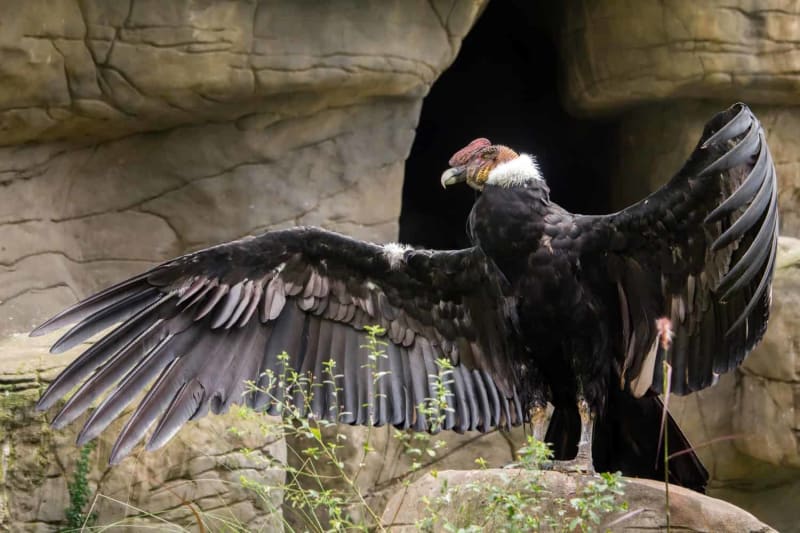
Three baby Andean condors just changed the future of their species in Colombia, where fewer than 130 of these majestic birds remain in the wild.
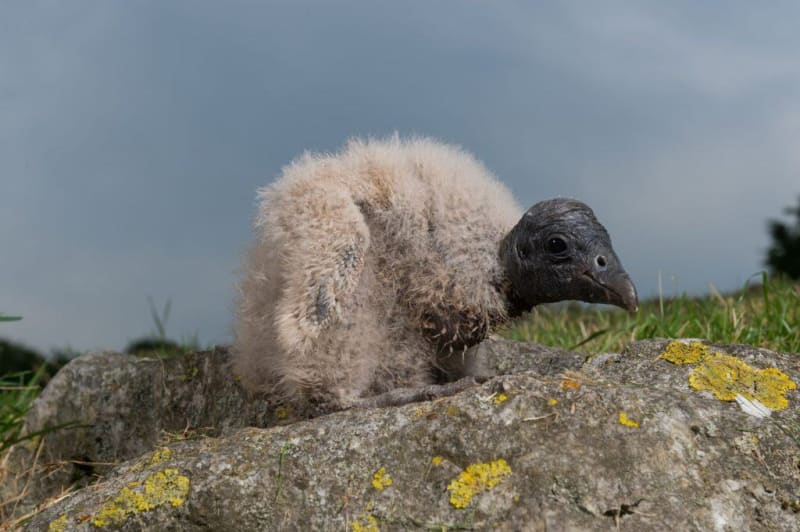
Rafiki, Wayra, and Ámbar hatched between July 2024 and October 2025 at a conservation facility after 12 years of failed attempts at artificial incubation. The three chicks represent a 4.5% increase in Colombia's entire condor population, making each birth critically important to the species' survival.
The breakthrough came after researchers solved a heartbreaking problem. Parent condors in captivity were accidentally stepping on their own eggs and cracking them. Since Andean condors only raise chicks every two to three years, each broken egg was devastating.
Scientists discovered something remarkable when they removed eggs from nests for incubation. The condor pairs would lay replacement eggs, effectively doubling their reproductive output. This simple intervention meant more chances for the population to recover.
The real innovation happened after hatching. Caretakers feed the chicks using condor puppets so the babies never associate humans with food. This puppet feeding ensures the young condors develop a healthy fear of people, which is essential for their survival in the wild.
Rafiki and Wayra are preparing for release into their natural habitat in 2026. Once free, they'll join a critically endangered population struggling to recover from decades of persecution.
Andean condors were once revered across South America but became targets when ranchers believed they killed livestock. The birds were poisoned and shot until their numbers plummeted. Venezuela declared them extinct within its borders, though fewer than 20 may survive there today.
Camera traps eventually proved the condors innocent. The real livestock culprits were protection dogs, foxes, and ocelots. But the damage was done, leaving populations across the continent fighting for survival.
The Ripple Effect
Colombia's success is inspiring similar programs across South America. Argentina achieved the first successful artificial incubation in 1991, and their condor population has since grown to around 1,500 birds. Chile and Peru are seeing similar progress, with vulnerable but growing populations.
The technique is spreading hope to countries where condors face the most danger. Ecuador now has between 94 and 102 birds, up from near extinction just decades ago. Each successful hatch proves that targeted conservation can reverse even the most dire situations.
The condors still face serious threats including lead poisoning from bullets in carrion, powerline collisions, and habitat loss. But education is changing attitudes, transforming the condor from pest to protected treasure.
Three small birds with big futures are about to take flight, carrying the hopes of an entire species on their wings.
More Images


Based on reporting by Google: species saved endangered
This story was written by BrightWire based on verified news reports.
Spread the positivity!
Share this good news with someone who needs it