Colombia's Dragonflies Revive Indigenous Languages
In Colombia's Guainía region, scientists and Indigenous communities are naming nearly 120 dragonfly species in ancestral languages, protecting both biodiversity and cultural heritage. The project connects water conservation with language revival in one of Earth's most remote ecosystems.
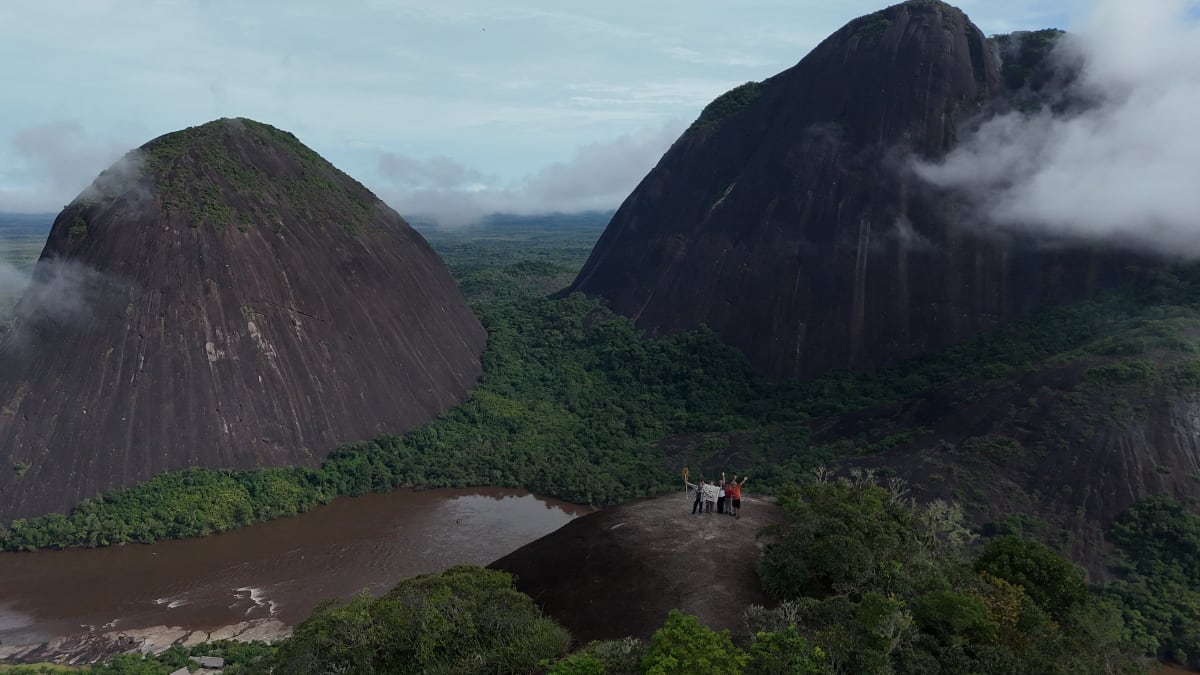
Deep in Colombia's Guainía region, dragonflies are doing something remarkable: bringing forgotten languages back to life.
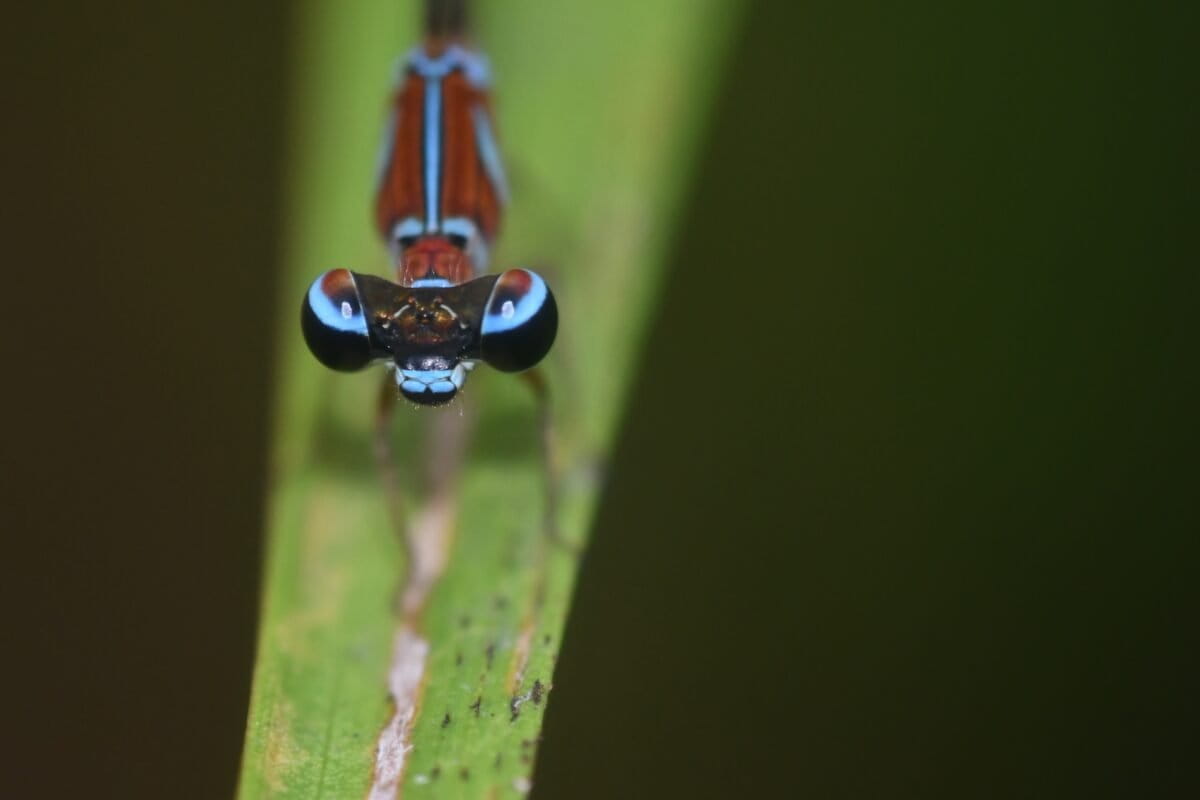
Researchers Yiselle Cano and Jenilee Montes have spent three years exploring this remote corner of eastern Colombia, discovering nearly 120 dragonfly and damselfly species. When they started, only 10 species had been documented in this biodiversity hotspot where the Amazon rainforest meets the Orinoco River basin.
But the real breakthrough came when they tried sharing their findings with local Indigenous communities. The scientific Latin names meant nothing to people who had lived alongside these insects for generations.
"We were talking about nothing," Montes explained. "What isn't named doesn't exist."
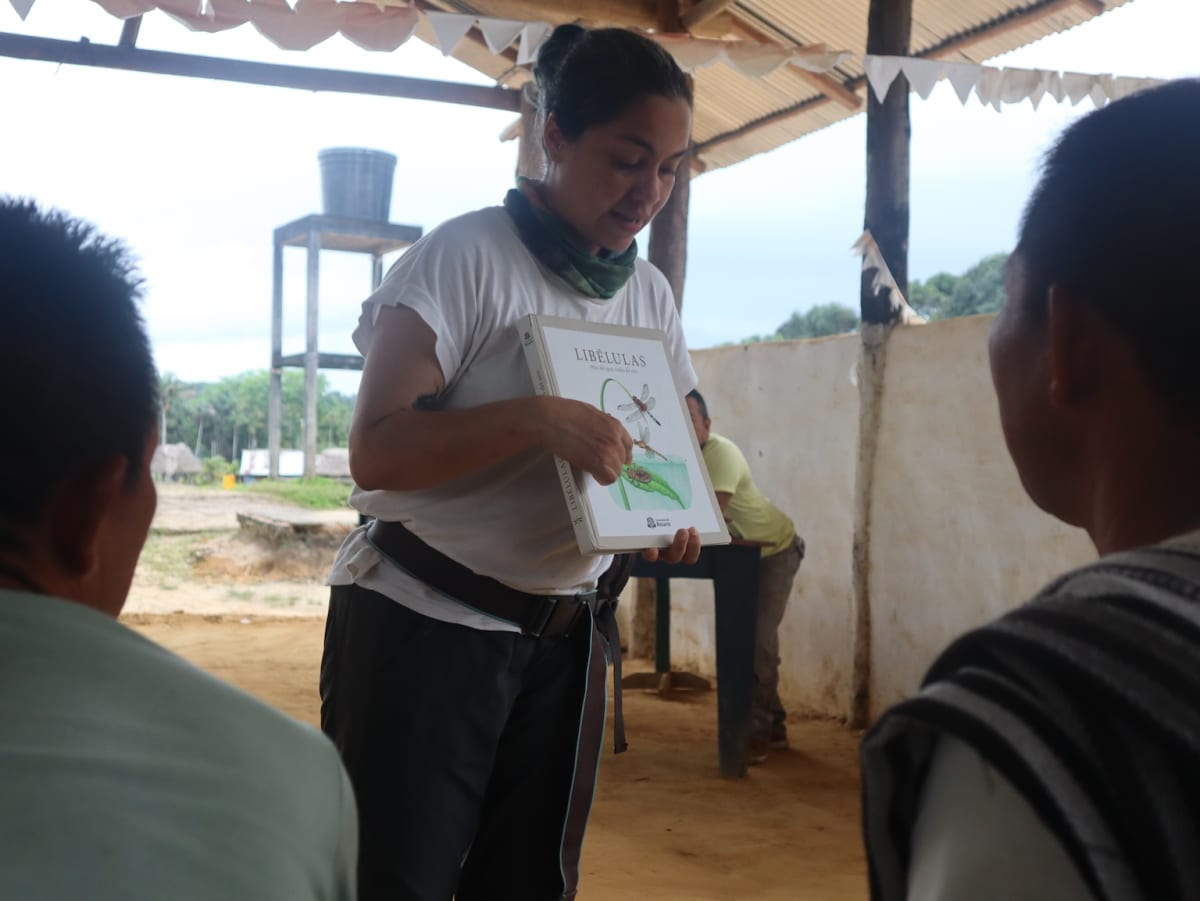
So they invited communities to name the dragonflies themselves, in their own ancestral languages. Elders, children, and everyone in between gathered to observe the insects and create names based on their colors, behaviors, and habitats.
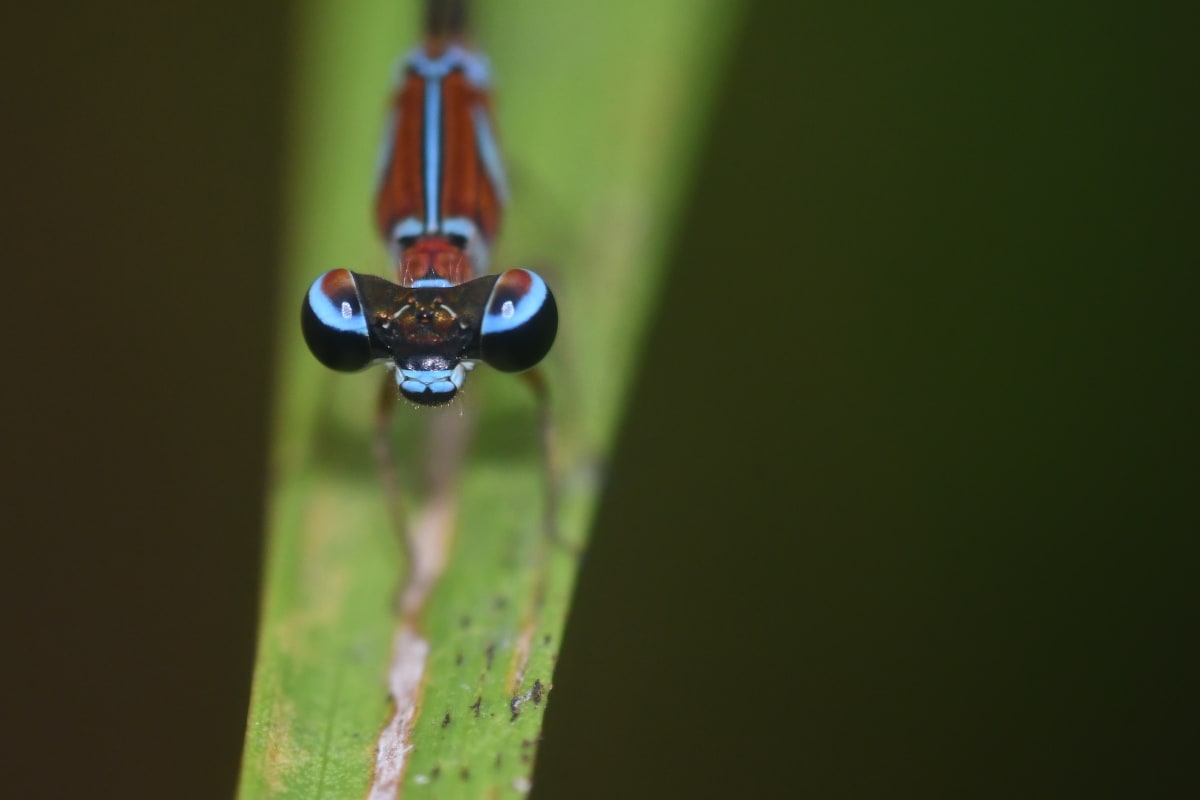
The Puinave tribe created entirely new words in their nearly forgotten language. They named the long-winged damselfly "Dümjüpat" and called a newly discovered endemic species the "Dümpuinave," the Puinave damselfly. Tucano and Curripaco communities are following the same path, rescuing words their grandparents spoke.
"This leaves us with the task of recovering their names, of looking back and asking the last remaining wisdom keepers that we have," said Delio Suárez, a Tucano Indigenous leader from the La Ceiba community.
The naming process sparked something deeper than vocabulary lessons. As communities learned to identify different species, they discovered how these ancient insects control mosquito populations and indicate water quality. Dragonflies need pristine freshwater to survive, making them perfect messengers about ecosystem health.
The Ripple Effect
The project addresses two urgent conservation needs at once. Guainía's waters face growing threats from deforestation, unmanaged waste, and tourism, putting dragonfly habitats at risk. Meanwhile, Indigenous languages spoken for thousands of years are disappearing as elders pass away.
By monitoring dragonflies, community members are becoming guardians of their water sources. Children peer through stereoscopes at iridescent wings while learning words their great-grandparents knew. Scientific knowledge merges with ancestral wisdom in a way that honors both.
The communities now understand they're protecting something precious. "We were unaware of the role and importance of these insects in their ecosystem," Suárez said. "It helps us understand the richness we have here in our reserves."
Each dragonfly name spoken in Puinave, Tucano, or Curripaco is an act of cultural survival and environmental stewardship rolled into one.
More Images
Based on reporting by Mongabay
This story was written by BrightWire based on verified news reports.
Spread the positivity!
Share this good news with someone who needs it