Colorado Completes World's Largest Wildlife Bridge
Colorado just finished building one of Earth's largest wildlife crossings: a 200-foot-wide bridge arcing over six busy highway lanes. The massive project is expected to cut roadkill by 90% and save both animal and human lives. #
A black bear no longer has to risk her life crossing one of America's busiest highways. Neither does a mule deer searching for food, or an elk migrating between forests and prairies.
Thanks to Colorado's newest wildlife crossing, completed in December 2025, these animals now have a safe passage over Interstate 25. The overpass stretches 200 feet wide and 209 feet long, making it one of the largest human-made wildlife bridges on the planet.
The structure near Greenland, Colorado, is just one piece of an ambitious network. Since 2021, the state has built five dirt-floored underpasses and surrounded them with 25 miles of roadside fencing. Together, these six passages reconnect 40,000 acres of habitat that the highway had sliced apart for decades.
The results promise to be dramatic. Colorado officials expect the crossings to reduce roadkill by 90% along a stretch of highway that once killed 76 deer, 15 bears and 10 pumas in just two years.
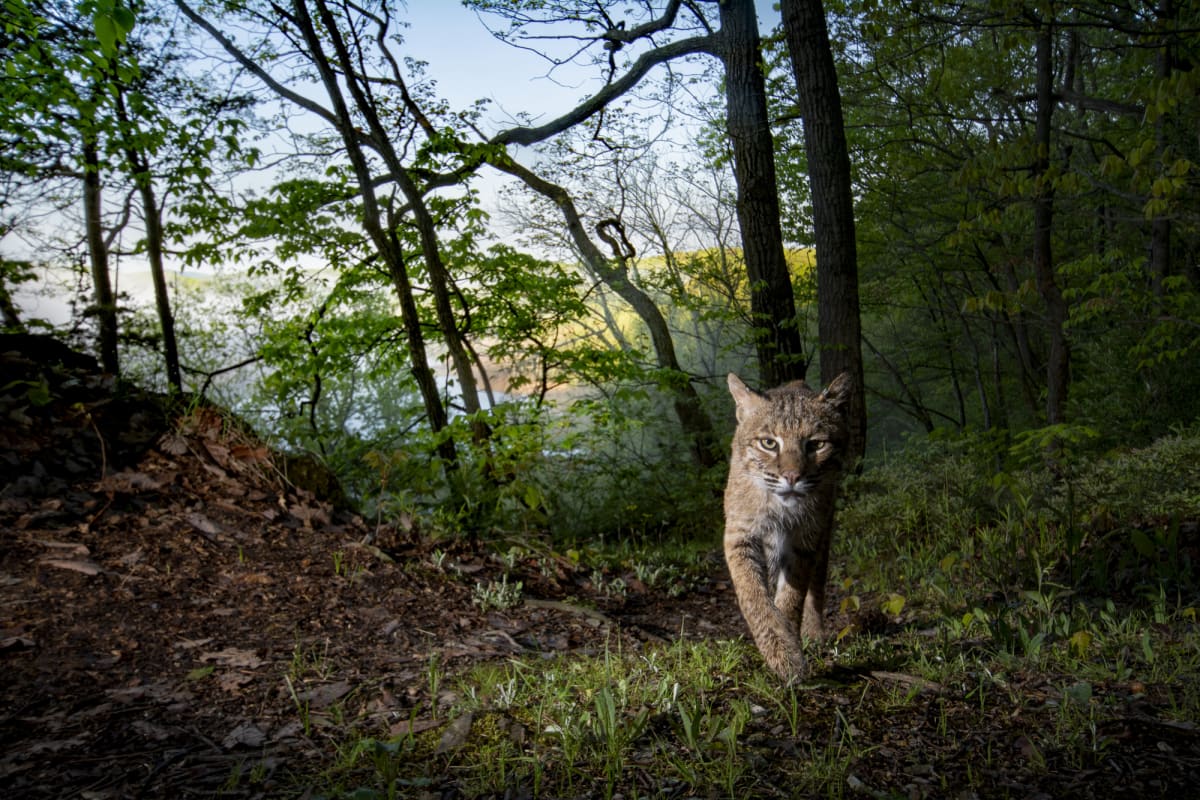
Colorado isn't alone in this movement. From New Jersey's "Bobcat Alley" to the Netherlands' badger bridges, governments worldwide are building safe passages for wildlife. The concept started in France in the 1950s with green bridges for deer, then spread across Europe with "toad tunnels" for migrating amphibians.
The United States caught on in the late 1960s, installing underpasses along highways that sliced through ancient migration routes. Wyoming now guides hundreds of deer through I-80 underpasses each season. When some animals initially avoided the dark tunnels, workers lured them through with vegetables and apple pulp.
The Ripple Effect
These crossings solve multiple problems at once. Wildlife can move freely to find food, water and mates. They can escape increasingly severe wildfires and extreme weather. Species that might have gone extinct in isolated pockets now have room to roam and thrive.
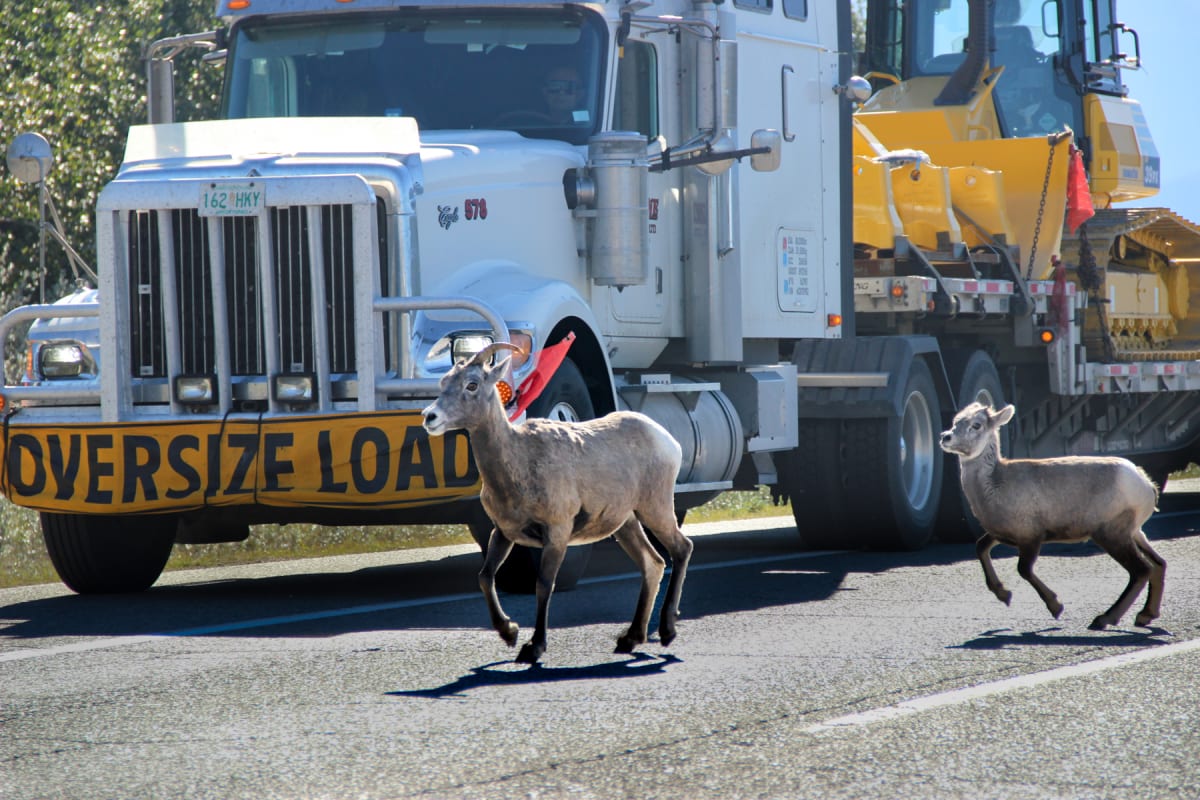
But humans benefit too. Animal collisions kill about 200 Americans annually, injure 26,000 more and cost the economy over $10 billion each year in medical bills, vehicle damage and lost work. Every wildlife crossing built reduces those tragic numbers.
Andy Hough, who helped plan Colorado's crossings, says the network connects huge wildlife populations that had been separated for generations. With roadside fences guiding animals toward the safe passages, both drivers and wildlife can travel without fear.
Road ecologist Marcel Huijser, who grew up watching the Netherlands lead this effort, believes the solution is within reach. "If we are going to have viable wildlife populations, we must provide for connectivity across transportation infrastructure," he says.
Renee Callahan of ARC Solutions, a wildlife crossing advocacy group, puts it even more hopefully: with enough investment, we could solve the entire problem in a generation.
#
More Images
Based on reporting by Mongabay
This story was written by BrightWire based on verified news reports.
Spread the positivity!
Share this good news with someone who needs it