Columbus Zoo Welcomes Endangered Masai Giraffe Calf
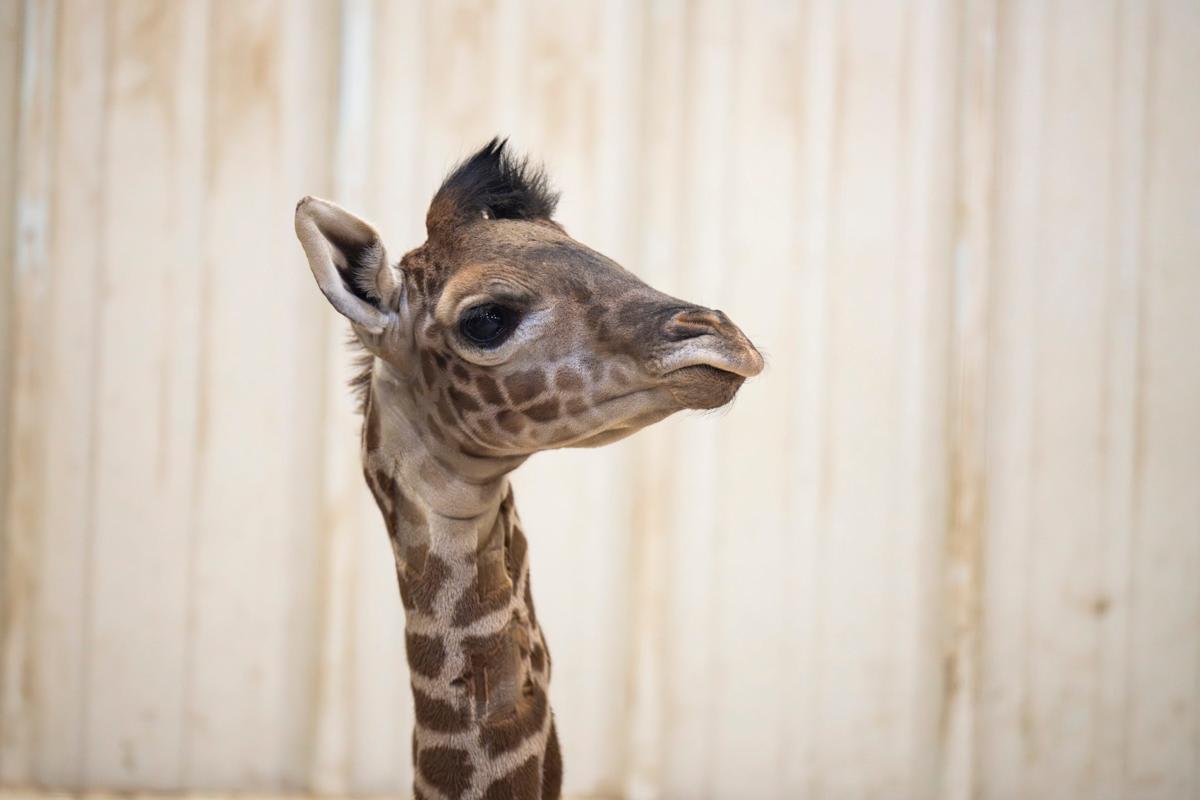
A baby Masai giraffe just took his first wobbly steps at the Columbus Zoo, bringing new hope to a species that's lost half its population in 30 years. The healthy male calf joins a global effort to protect these gentle giants from extinction.
A leggy newcomer at the Columbus Zoo and Aquarium is bringing fresh hope for one of Africa's most threatened species.
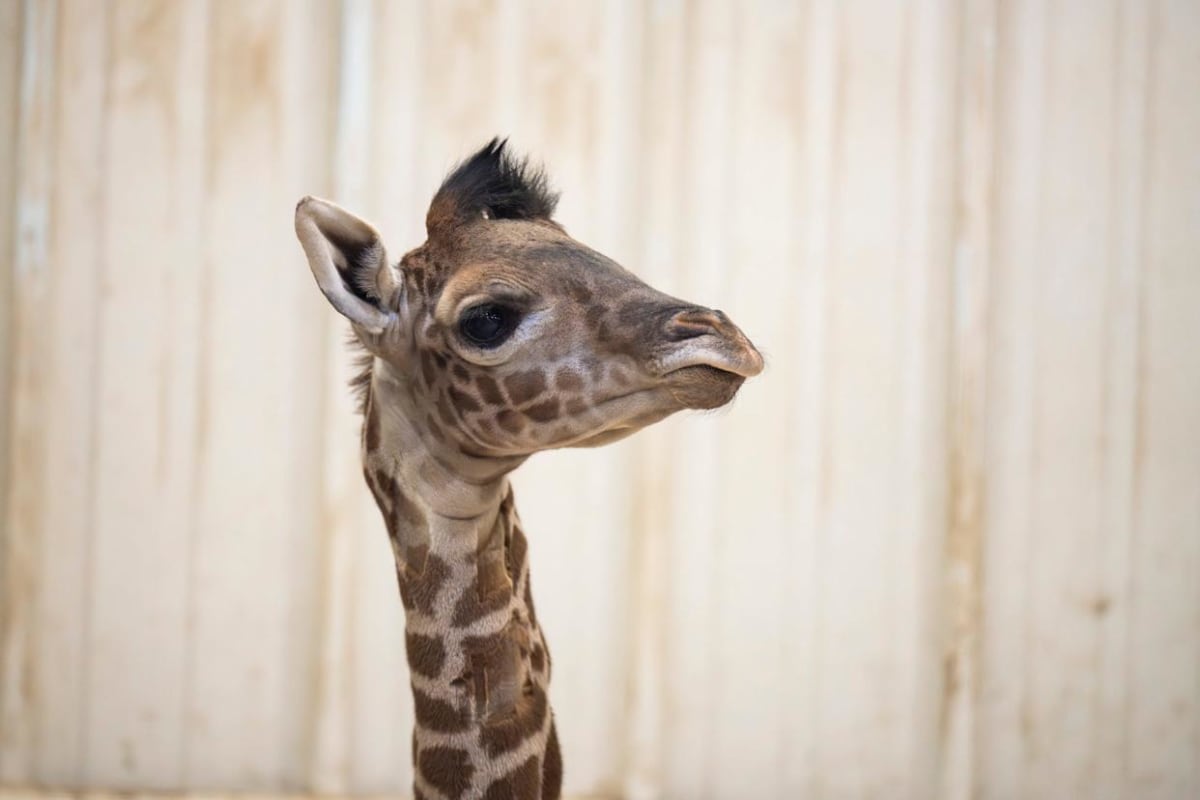
The zoo welcomed a male Masai giraffe calf on March 10, born to 15-year-old mother Zuri. Within hours of birth, the yet-unnamed calf was already nursing and taking his first steps, key milestones that show he's healthy and thriving.
Mom and baby are bonding behind the scenes right now, gradually meeting other members of the zoo's giraffe herd. The calf joins his two half-brothers, Ralph and Charlie, who were also born to Zuri at the Columbus facility.
His father, Bobbie, arrived from the Houston Zoo in 2023 as part of a carefully coordinated breeding program. The Association of Zoos and Aquariums specifically recommended pairing Zuri and Bobbie to help maintain genetic diversity in the endangered Masai giraffe population.
The timing matters more than ever. Masai giraffe numbers have plummeted nearly 50% over the past three decades, with only about 43,000 remaining in the wild across Kenya, Tanzania, and Rwanda.
"Welcoming a giraffe calf reflects the care, expertise, and collaboration that guide our work every day," said Tom Schmid, president and CEO of the Columbus Zoo. "This birth is a testament to the dedication of our teams and our shared commitment to protecting Masai giraffes for the future."
Why This Inspires
This little calf represents something bigger than one adorable baby animal. He's one of only 23 surviving giraffe calves ever born at the Columbus Zoo, making him part of an exclusive club working to secure his species' future.
Zuri carried her baby for approximately 15 months before his arrival. That's over a year of specialized care from zoo veterinarians and animal care staff, monitoring her health and preparing for the birth.
The breeding program connecting zoos across the country shows how facilities are working together rather than in isolation. When Bobbie moved from Houston to Columbus, it wasn't random. Scientists studied genetics, health records, and population needs to make the best possible match.
Every successful birth in captivity helps researchers learn more about giraffe reproduction, health, and behavior. That knowledge flows back to conservation teams working to protect wild populations in Africa.
The zoo plans to announce naming details and public viewing opportunities in the coming weeks. For now, Zuri and her calf are enjoying quiet bonding time, building the foundation for his healthy development.
One gangly calf is already making the world a little brighter for giraffes everywhere.
More Images

Based on reporting by Google: species saved endangered
This story was written by BrightWire based on verified news reports.
Spread the positivity!
Share this good news with someone who needs it