Costa Rican Women Turn Fish Waste Into Sustainable Fashion
Two Costa Rican mothers are transforming discarded fish skins into elegant leather goods, reviving an ancient Indigenous tradition while creating economic opportunity. What started as skepticism has become a thriving cooperative connecting local artisans to global fashion dreams.
Mauren Castro couldn't imagine how something destined for the trash could change her life. For years, she stayed home caring for her children in Costa de Pajaros, a small coastal village in Costa Rica, while her husband fished to support the family.
In 2022, Castro and her neighbor Marta Sosa joined Piel Marina, a women's cooperative turning fish waste into fashion. Castro was doubtful at first, wondering how smelly fish skins could become valuable raw material for women seeking economic independence.
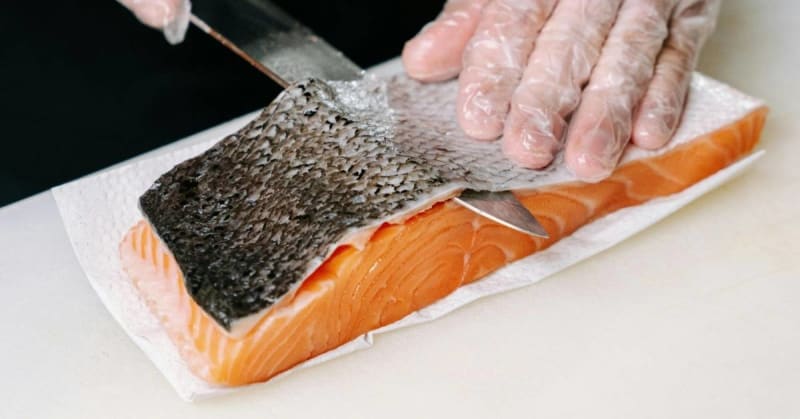
Three years later, she has her answer. Wearing rubber gloves, Castro gently rubs scales and flesh off a filleted sea bass, the first step in a meticulous transformation process that takes eight days to complete.
Sosa washes the skins with soap like laundry, then treats them with glycerin, alcohol, and natural dyes. After four days of dyeing and four days of drying, the fish skin emerges as soft, pliable leather ready for handcrafting.
The women stitch the leather into handbags, earrings, and necklaces. Each piece represents not just sustainable fashion, but a paycheck that helps support their families without leaving their community.
The Ripple Effect
Piel Marina connects Costa de Pajaros to a tradition thousands of years old. Indigenous peoples in Scandinavia, Alaska, and Asia have tanned fish leather for generations, creating durable materials from what others discarded.
Now these Costa Rican women carry that knowledge forward, proving ancient wisdom has modern applications. Their work addresses two challenges at once: reducing fishing industry waste while creating jobs for women in rural communities.
The cooperative turns environmental problems into economic opportunities. Fish skin that once rotted in landfills now becomes revenue, and women who once depended entirely on their husbands' catches now earn their own income.
Castro dreams bigger with each piece she creates. She imagines her handbags on Hollywood red carpets, in Canadian boutiques, and on Paris runways where high fashion meets sustainability.
What started as skepticism about smelly waste has become pride in beautiful craftsmanship that honors both tradition and innovation.
More Images

Based on reporting by Good Good Good
This story was written by BrightWire based on verified news reports.
Spread the positivity!
Share this good news with someone who needs it