Cotton Lifts Busia Families From Fields to University
A Kenyan farmer who grew cotton to pay for his own education is now sending his children to university with the same crop. Despite small plots and equipment challenges, cotton is quietly transforming lives in Busia County.
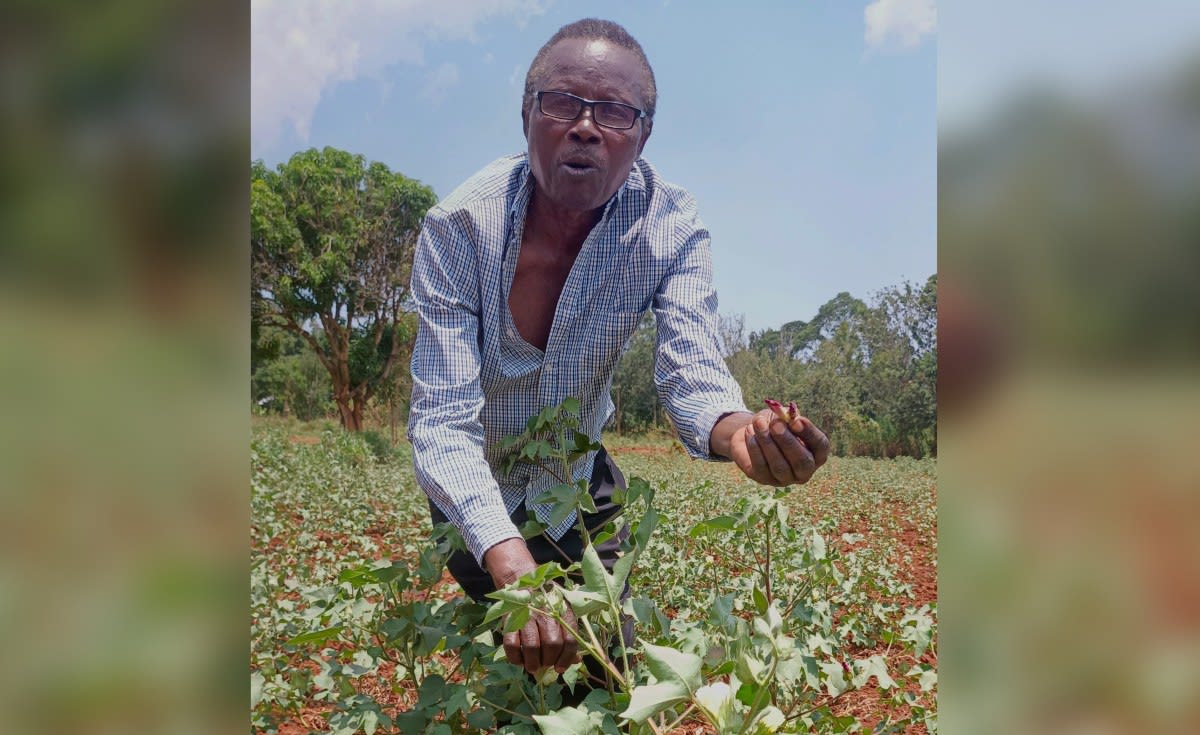
Vincent Okumu's cotton fields have funded three university educations and counting, proving that even small farms can change a family's future.
The Busia County farmer has grown cotton for over two decades, first using the crop to pay for his own schooling after inheriting the practice from his parents. Now he's using profits from just one and a half acres to educate his children. Two have already graduated from university, and a third is preparing to enroll.
Okumu expects to earn at least 100,000 Kenyan shillings in profit this season, roughly $770. That's enough to cover school fees and home improvements in a region where cotton farming is making thatched roofs increasingly rare among farming families.
Cotton is making a comeback across Busia County, where the crop once supported entire communities. Farmers are reconnecting with markets through cooperatives like Bwiri Farmers Cooperative Society, which Okumu chairs. The Luanda Farmers Cooperative Union now offers farmers 76 shillings per kilogram, a price that gives growers real incentive to continue.
The challenge is scale. Most farmers cultivate no more than two acres, according to cooperative manager Bonventer Barasa. That's far below the capacity of the modern Luanda Ginnery, which sits silent between harvests waiting for enough cotton to process.
Farmers want to expand. Okumu would like to grow his operation from one and a half acres to five. But land preparation is still done largely by hand, making expansion expensive and time consuming.
The cooperative has been seeking tractors that farmers can rent to prepare their land before the narrow planting window closes. Without machinery, farmers risk missing the rains entirely, creating a cascade of delays that affects planting, growth, and harvest timing.
This year's crop faced another hurdle when insufficient rainfall hit the region. The cotton plants are about two months old but struggling with dry conditions. Farmers are watching the skies hopefully, knowing their soils and climate can support strong harvests when rain arrives between April and August.
The Ripple Effect
The transformation in Busia isn't dramatic, but it's visible. Families who once lived under thatched roofs now have better homes. Children who might never have attended university are graduating and preparing for careers. Each small cotton plot represents not just income but investment in the next generation.
Cooperative chairman Bernard Ojiambo points to the region's potential, noting that when rainfall comes at the right time, harvests come out well. The infrastructure challenges from dusty roads to equipment shortages remain real, but so does the progress cotton is bringing to farming communities.
One crop, two generations of education, and counting.
Based on reporting by AllAfrica - Headlines
This story was written by BrightWire based on verified news reports.
Spread the positivity!
Share this good news with someone who needs it