Diabetes Drug Extends Lifespan in Mice by 12%
Scientists discovered that semaglutide, a popular diabetes and weight loss medication, extended the lives of older female mice by 12% and slowed multiple signs of aging. The drug may work by mimicking the benefits of calorie restriction without requiring people to drastically reduce their food intake.
A diabetes medication already taken by millions might do more than control blood sugar and weight. It could actually slow down aging itself.
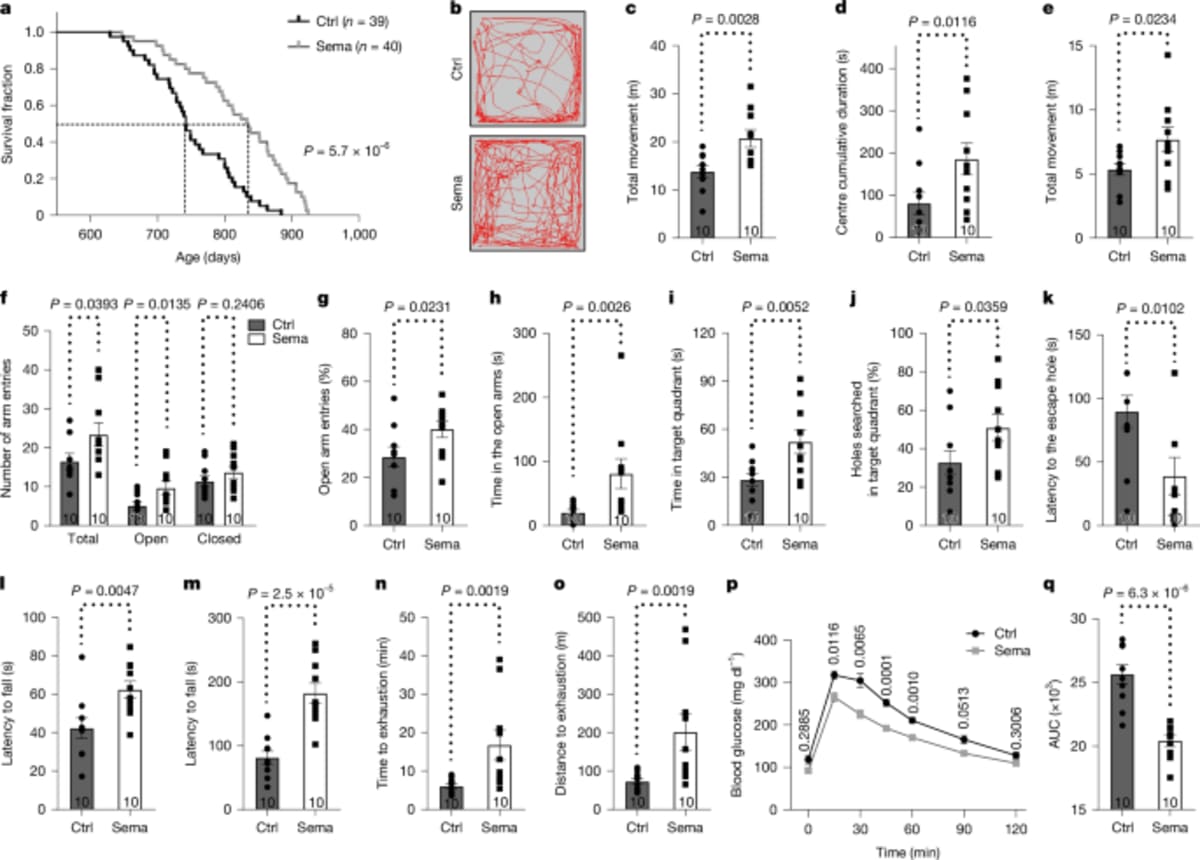
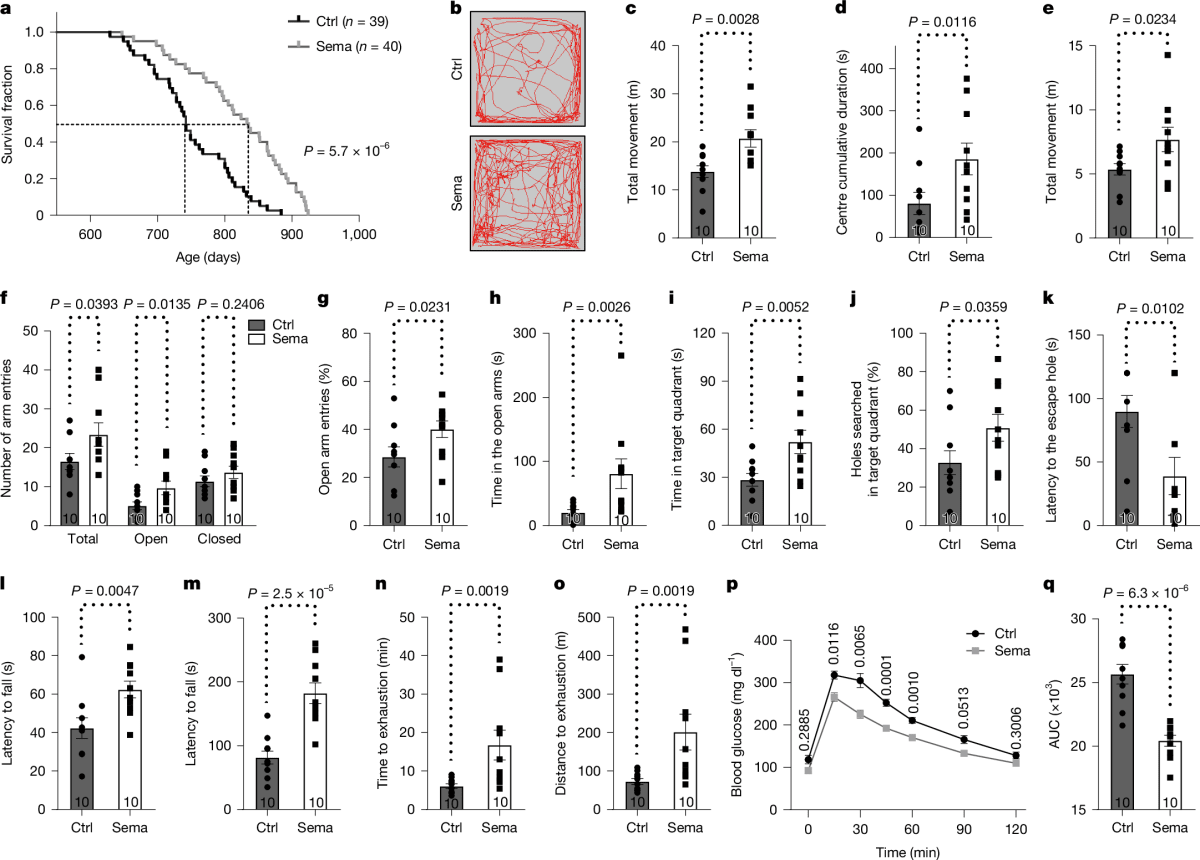
Researchers gave semaglutide to mice starting at age 20 months, roughly equivalent to a 60-year-old human. The treated mice lived significantly longer than untreated mice, with a median lifespan of 834 days compared to 742 days in the control group.
The study, published in Nature, found that semaglutide improved far more than just weight and metabolism. Treated mice showed better memory, enhanced exploratory behavior, and improved muscle function. At the cellular level, they displayed fewer hallmarks of aging across multiple body systems.
What makes this discovery especially exciting is that the benefits appeared even when treatment started late in life. The mice were already considered elderly when they received their first dose, suggesting it's never too late to intervene in the aging process.
The drug seems to work similarly to calorie restriction, a proven way to extend lifespan in many species. Eating fewer calories activates protective pathways in cells that slow aging and reduce disease risk. However, sustained calorie restriction is notoriously difficult for people to maintain.
Semaglutide reduced food intake in the mice by 24%, but researchers found it did more than just cut calories. The drug outperformed traditional calorie restriction in some areas, including spatial memory and glucose control, while producing comparable benefits in others.
The Ripple Effect
This research helps explain why GLP-1 medications like semaglutide have shown unexpected benefits beyond their original purpose. Studies in humans have found these drugs reduce risks of heart disease, kidney problems, liver disease, and neurodegeneration.
The findings suggest these medications might work by tapping into fundamental aging pathways that affect multiple organ systems simultaneously. Rather than treating individual diseases separately, they may address the underlying aging process that makes those diseases more likely.
The researchers tested only female mice, so more studies are needed to understand if male mice or other species would respond similarly. Human trials focusing specifically on aging and longevity will be essential next steps.
Still, the fact that a medication already deemed safe for human use shows such broad anti-aging effects in mammals offers genuine hope. Millions already take semaglutide for diabetes and obesity, and scientists can now study whether these users experience similar longevity benefits.
The quest to extend healthy human lifespan just got a powerful new tool worth investigating.
More Images
Based on reporting by Nature News
This story was written by BrightWire based on verified news reports.
Spread the positivity!
Share this good news with someone who needs it