Dinosaur Parents Fed Their Young Special Diets 80M Years Ago
Tiny scratches on fossilized teeth reveal baby duck-billed dinosaurs ate softer, nutrient-rich foods than adults, suggesting bird-like parenting 80 million years ago. The discovery shows Maiasaura parents may have actively fed their helpless young, much like modern birds do today.
Scientists just found proof that good parenting goes back way further than we thought—about 80 million years, to be exact.
Tiny wear marks on fossilized dinosaur teeth are revealing how Maiasaura parents cared for their babies during the Late Cretaceous period. Researchers discovered that young duck-billed dinosaurs ate completely different foods than their parents, munching on softer, more nutritious meals while adults chewed tough vegetation.
The evidence came from examining microscopic scratches left on fossil teeth. Baby Maiasaura teeth showed crushing wear patterns from soft foods like fruits and tender plant buds. Adult teeth displayed shearing wear from fibrous, tougher plants.
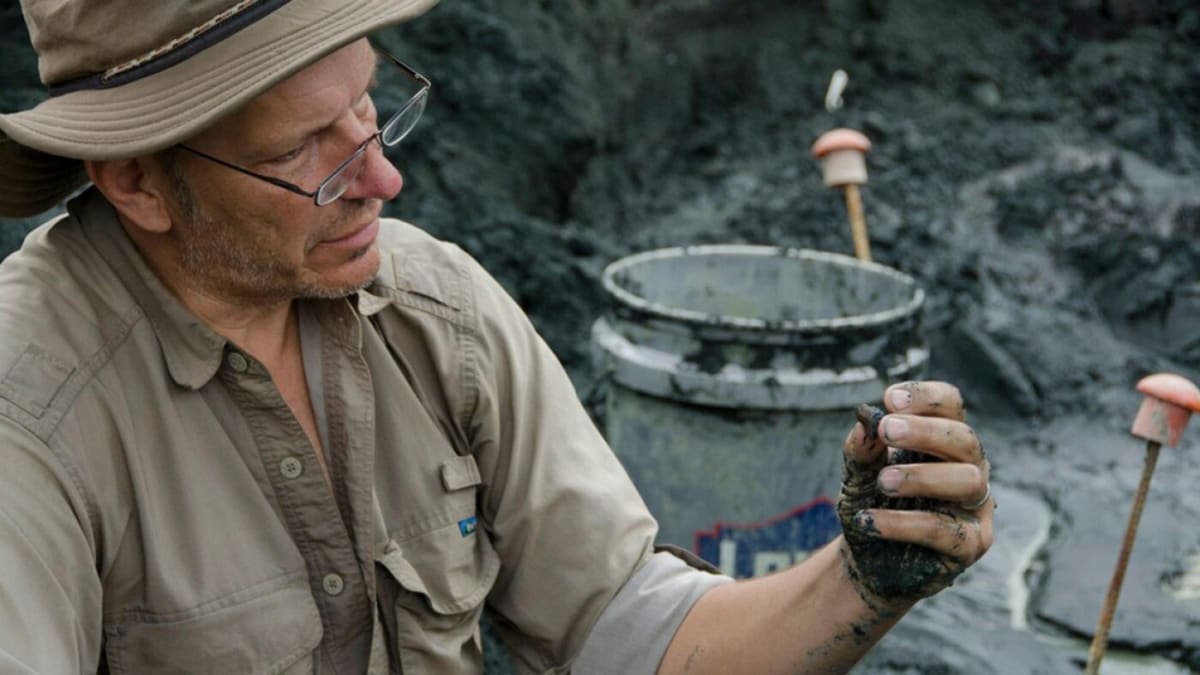
"The urge for a bird to feed a youngster is a very old behavior," said John Hunter, lead author of the study and associate professor at The Ohio State University. "What we're providing is that evidence for that behavior probably goes much further than the origin of birds, perhaps to the origin of dinosaurs."
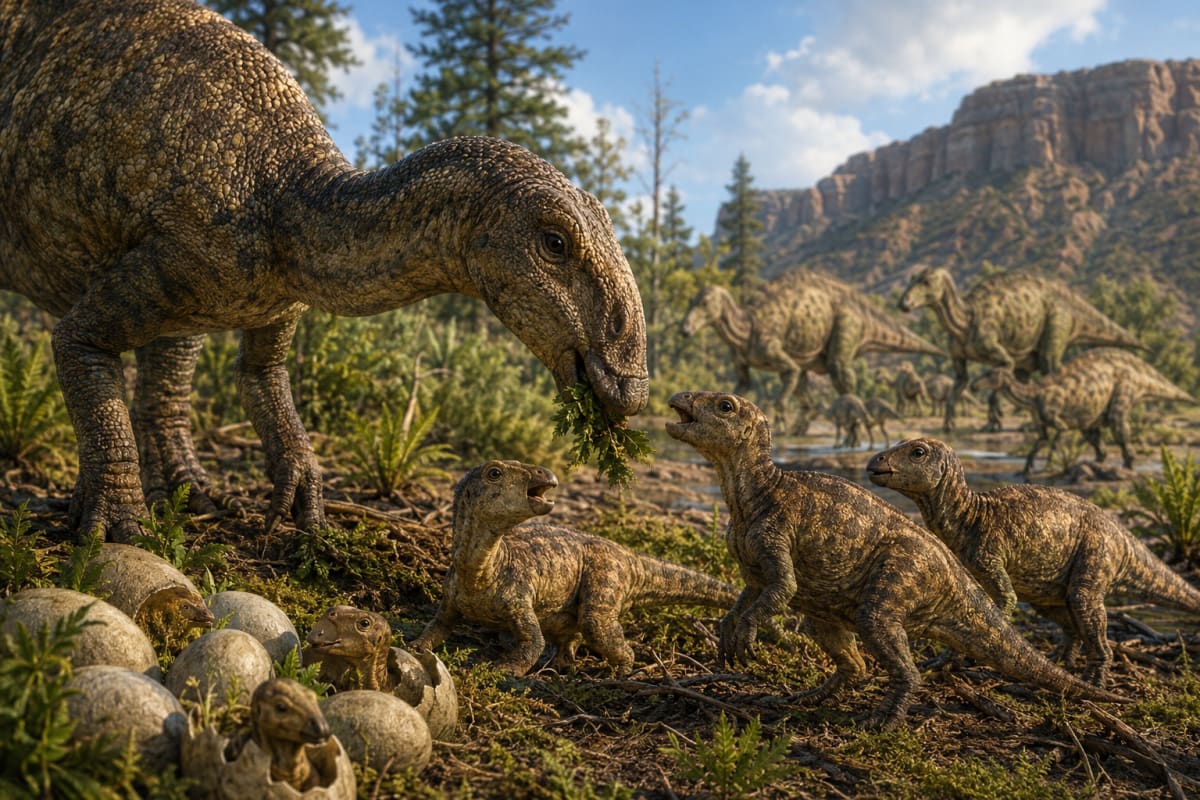
Maiasaura, whose name means "good mother lizard," was already famous among paleontologists. Scientists discovered large nesting grounds in Montana filled with eggs and young dinosaurs that stayed in nests after hatching, unlike most reptiles that become independent immediately.
But until now, researchers lacked direct proof of what the babies actually ate.
The tooth evidence suggests young dinosaurs couldn't have gathered these softer foods themselves during their first weeks. Fossil records show they remained helpless in nests during early life, much like baby birds today.
Why This Inspires
This discovery connects us to ancient parents who cared deeply about their young. It shows that nurturing behavior, the instinct to provide the best nutrition for growing babies, existed long before humans walked the earth.
The softer diet likely fueled the rapid growth rates scientists already documented in young Maiasaura. Previous bone studies showed these dinosaurs reached more than half their adult size in their first year, an impressive feat that required serious nutrition.
Modern birds display similar feeding patterns, with parents collecting special foods like insects or fruit for their chicks even when adults eat something completely different. Some birds even partially digest food before feeding their young.
Scientists believe Maiasaura parents may have done the same, either gathering soft plant material specifically for babies or regurgitating partially digested food. Either way, these prehistoric parents were going the extra mile to help their offspring thrive.
The next time you see a bird feeding its babies, remember you're watching a behavior that's been passed down for millions of years—a reminder that love and care are truly timeless.
More Images


Based on reporting by Google: fossil discovery
This story was written by BrightWire based on verified news reports.
Spread the positivity!
Share this good news with someone who needs it