Dog-Sized Scorpion Fossil Solves 154-Year Mystery
Scientists just confirmed the largest scorpion ever discovered, a meter-long creature that dominated Earth 415 million years ago. The discovery rewrites our understanding of how life first emerged from the oceans onto land.
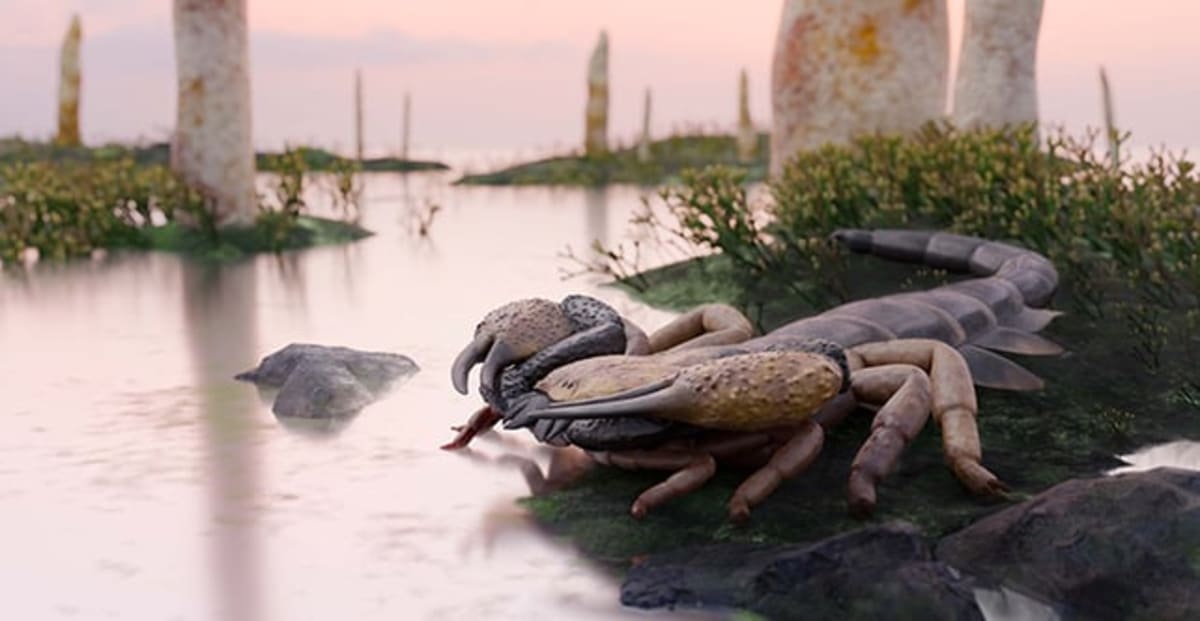
Imagine meeting a scorpion the size of a dog, with pincers longer than your forearm, lurking in ancient floodplains where nothing else could challenge it.
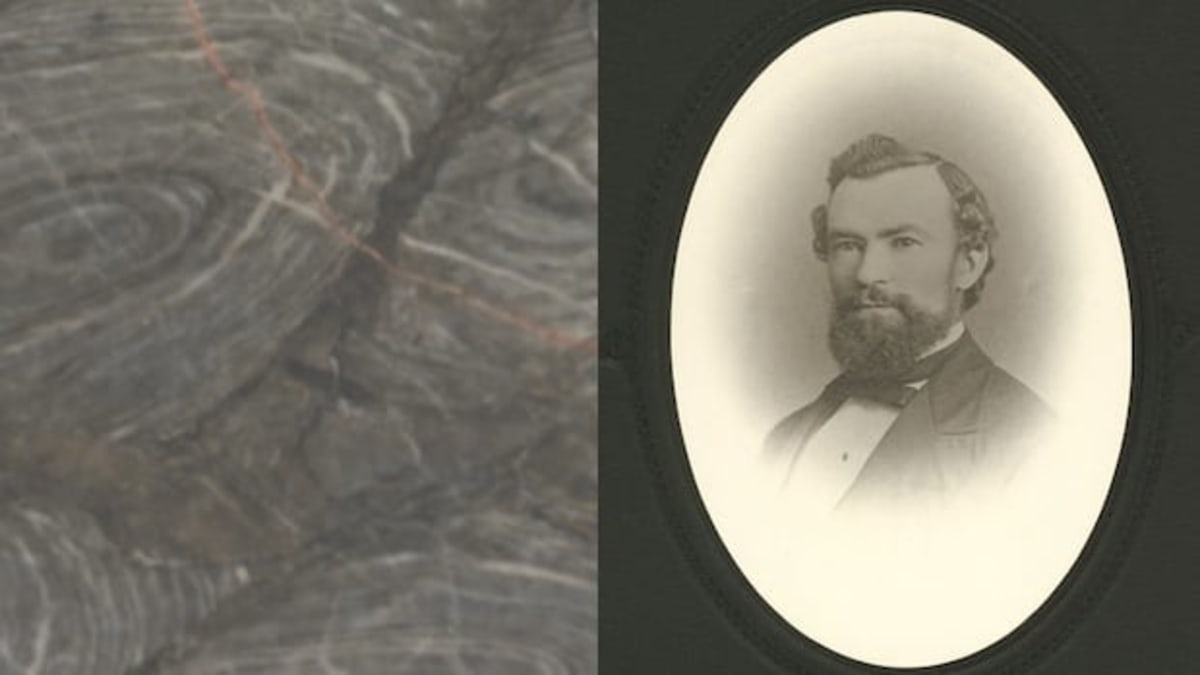
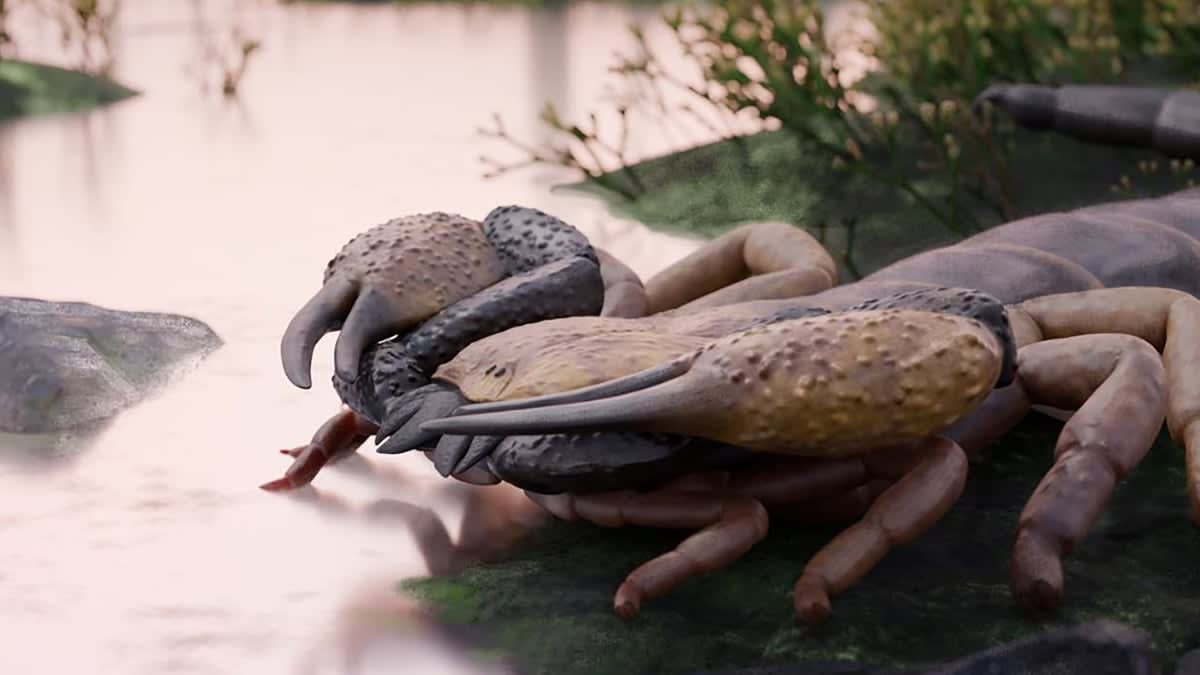
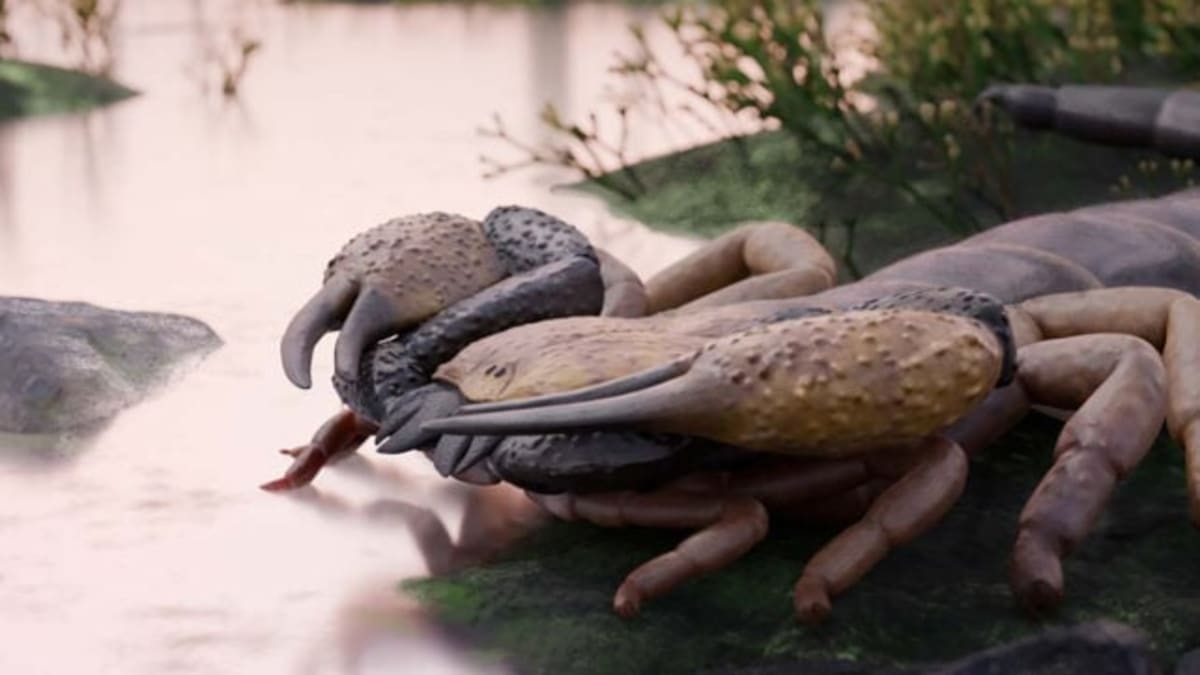
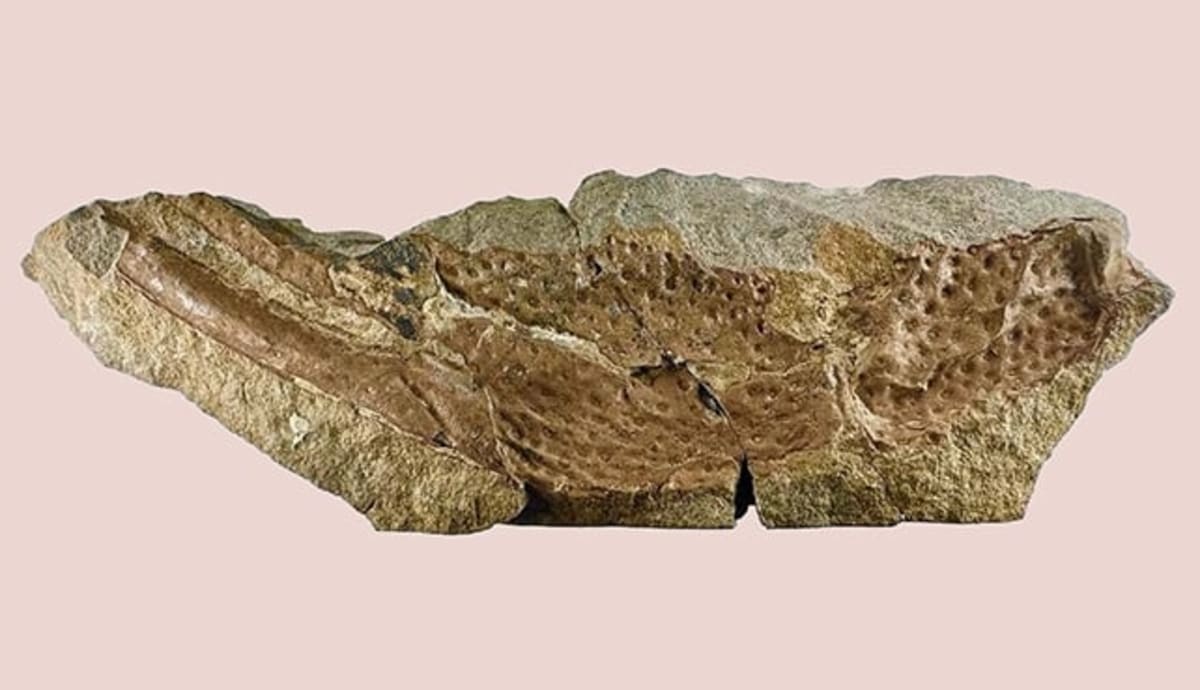
Scientists at the Natural History Museum in the UK just solved a 154-year-old mystery. Using advanced imaging technology, they've confirmed that fossils discovered in 1870 belong to Praearcturus gigas, likely the largest scorpion in Earth's history. The creature stretched over a meter long, with 16-centimeter pincers that dwarfed the entire bodies of modern scorpions.
The breakthrough came after researchers used computed tomography scans and compared the fossils to similar specimens from Canada. They found ridged surfaces on its limbs that could make sounds, a technique called stridulation that matches other extinct scorpion species.
What makes this discovery truly exciting is what it reveals about Earth's early history. When Praearcturus lived 415 million years ago, land was covered only with small plants and fungi. Reptiles, mammals, and birds hadn't even emerged from the oceans yet.
Lead researcher Richie Howard explains the scorpion grew so massive because it had no competition. Without other large predators around, it became the dominant force in its environment, ruling both land and water.
The fossils show flap-like structures similar to those found in lobsters and crabs today. This suggests the giant scorpion split its time between hunting on land and in water, adapting to wherever prey was easiest to find.
Why This Inspires
This discovery shows how persistence in science pays off. After 154 years of debate, modern technology finally gave researchers the tools to answer questions that stumped scientists for over a century.
The findings also help us understand a crucial moment in Earth's story: when life first crawled onto land. By identifying which ancient creatures made that transition and when, scientists can trace the evolution of every land animal alive today, including the scorpions still scurrying across deserts worldwide.
Paleontologist Greg Edgecombe notes that DNA evidence suggests scorpions descended from air-breathing ancestors. If true, Praearcturus might be an example of a creature whose ancestors moved onto land, then returned to water when conditions suited them better.
The research opens doors for future discoveries about how animals adapted to life on solid ground. Every fossil tells part of the story of how our planet transformed from a water world into one teeming with diverse life on land.
Some mysteries just need time and the right technology to reveal their secrets.
More Images

Based on reporting by Google News - Science
This story was written by BrightWire based on verified news reports.
Spread the positivity!
Share this good news with someone who needs it