Drones Help Scientists Track Vulnerable Sea Cows
Scientists are using drone technology to protect dugongs, gentle marine mammals known as sea cows that are disappearing from much of their ocean range. The aerial cameras are revealing thriving populations in unexpected places and showing how these creatures help maintain vital underwater ecosystems.
High above the waves, drones are giving scientists their best look yet at one of the ocean's most mysterious creatures and the critical role it plays in fighting climate change.
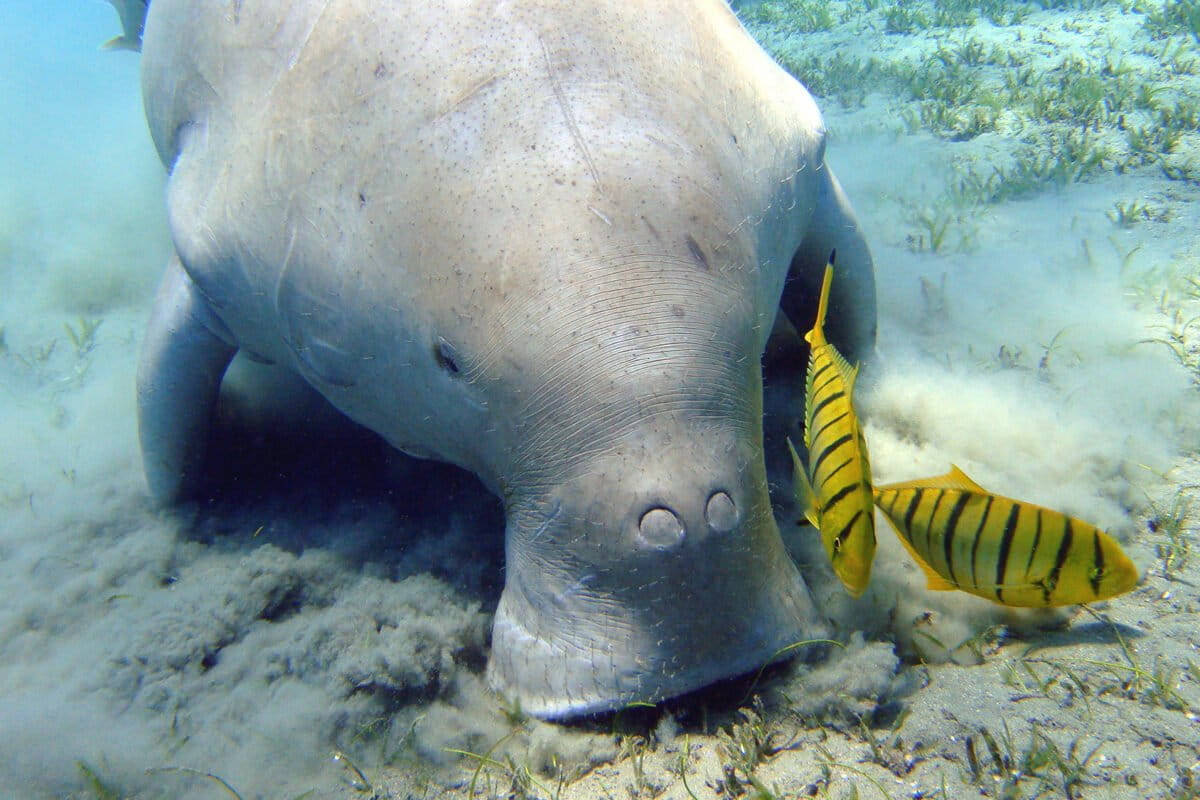
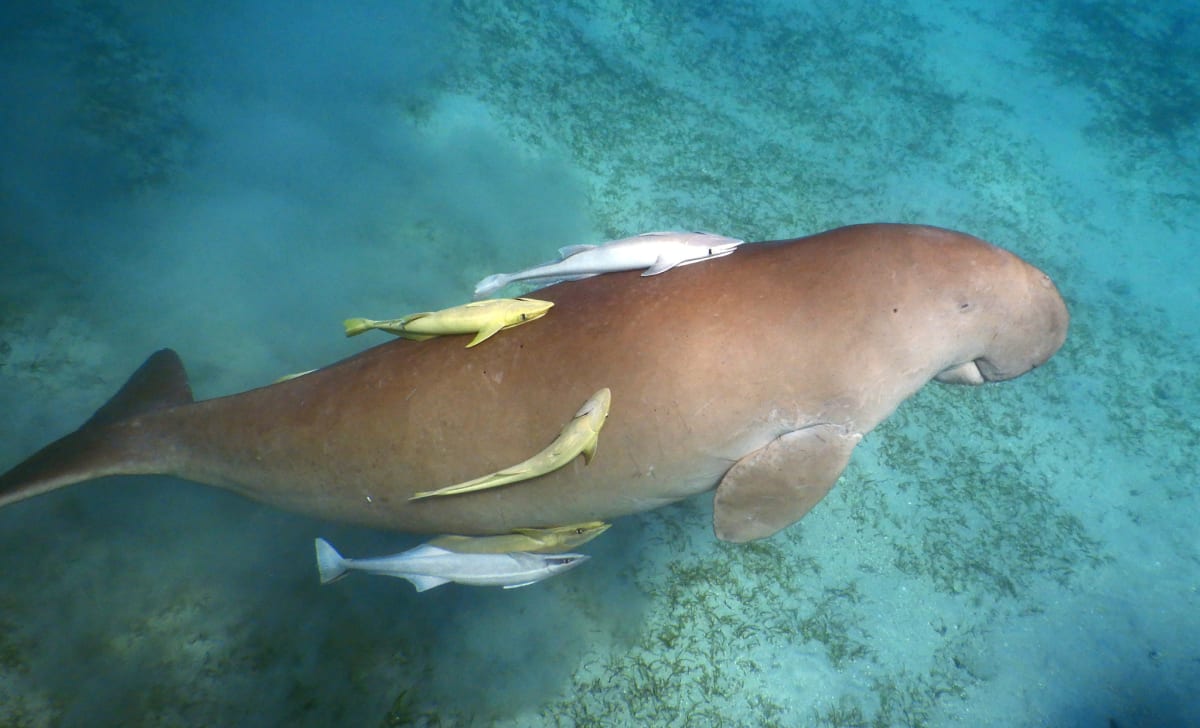
Dugongs, gentle giants often called sea cows, spend their days munching seagrass in shallow coastal waters from Australia to the Red Sea. These pudgy herbivores can grow to 10 feet long and weigh nearly 1,000 pounds, living up to 70 years when left undisturbed.
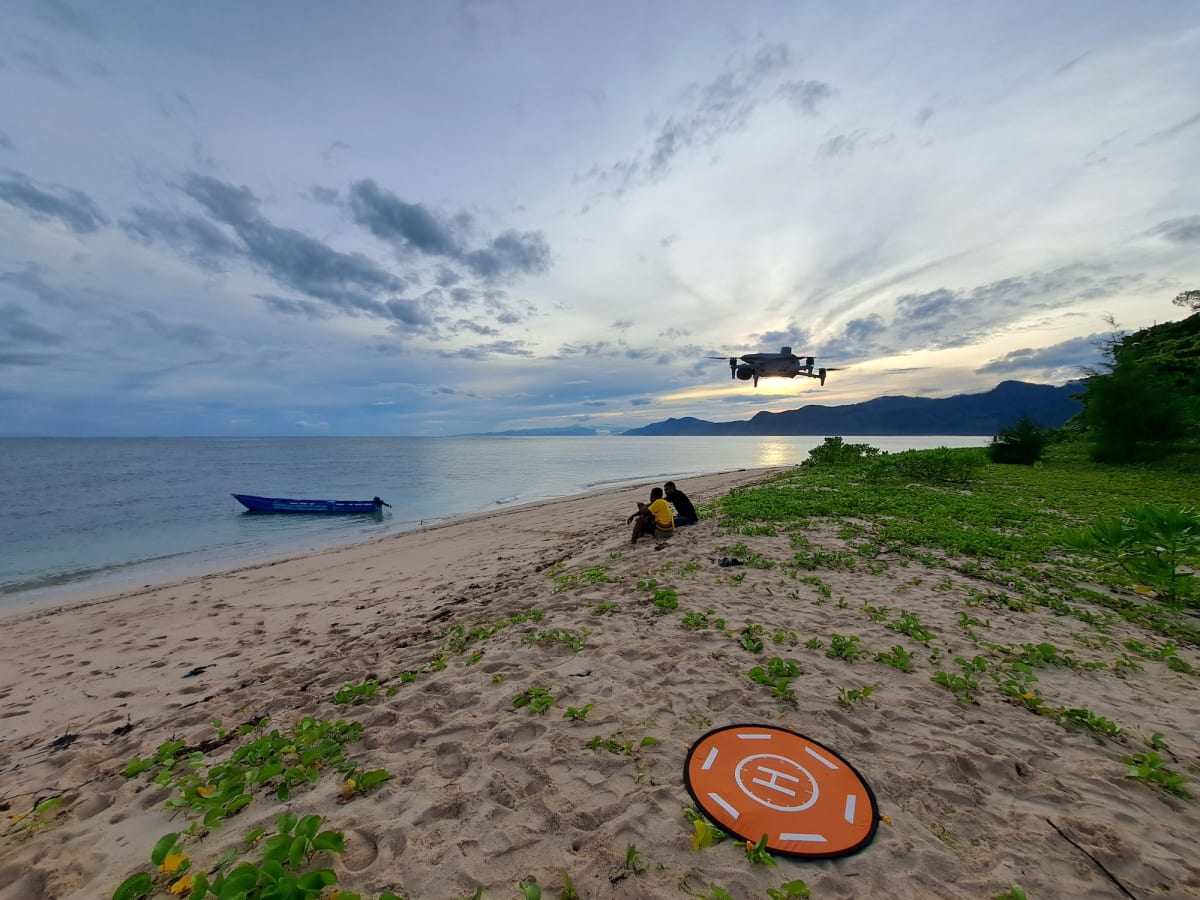
For decades, researchers struggled to count them using small aircraft. Now drones equipped with artificial intelligence are transforming conservation efforts by spotting individual animals and even the cloudy plumes of sediment they kick up while feeding.
The technology is revealing surprising news. Drones captured footage of a massive herd of 1,200 dugongs swimming together in the Persian Gulf. In India's first Dugong Conservation Reserve, cameras found more than 200 individuals in waters previously thought to hold far fewer.
Australia remains the species' stronghold with 166,000 dugongs along its coasts. But the August 2025 report from the Convention on the Conservation of Migratory Species shows most of their range has never been surveyed, meaning global numbers are likely much higher than estimated.
Indonesia may hold some of the biggest surprises. With up to 4.4 million acres of seagrass beds along its sprawling coastline, researchers estimate the country could account for 20 to 30 percent of the world's dugong habitat. Scientists are now deploying larger fixed-wing drones that can fly farther and survey these vast areas more efficiently.
The timing matters. Dugongs exclusively eat seagrass, and their grazing helps maintain these underwater meadows that rank among the ocean's most important carbon sinks. Protecting dugongs means protecting natural climate solutions.
The Ripple Effect
The conservation work extends far beyond counting animals. Understanding where dugongs thrive helps scientists identify healthy seagrass ecosystems worth preserving.
French researcher Laura Mannocci is testing new drone technology off Mayotte Island to find small populations in countries where dugongs were rarely spotted before. In Indonesia, researcher Akbar Ario Digdo believes the extensive seagrass beds could support a significant portion of the global dugong population.
These slow-moving creatures take 10 years to reach maturity and have babies only every three to seven years, making every individual precious for species survival. Climate change and coastal development threaten their feeding grounds, but knowing where populations cluster gives conservationists clear targets for protection efforts.
The drone surveys are creating the first comprehensive map of dugong populations in over two decades. Each new discovery strengthens the case for protecting the seagrass meadows that sustain both these gentle giants and our planet's climate.
More Images

Based on reporting by Mongabay
This story was written by BrightWire based on verified news reports.
Spread the positivity!
Share this good news with someone who needs it