Dutch Flying Car Gets Green Light for 2028 Launch
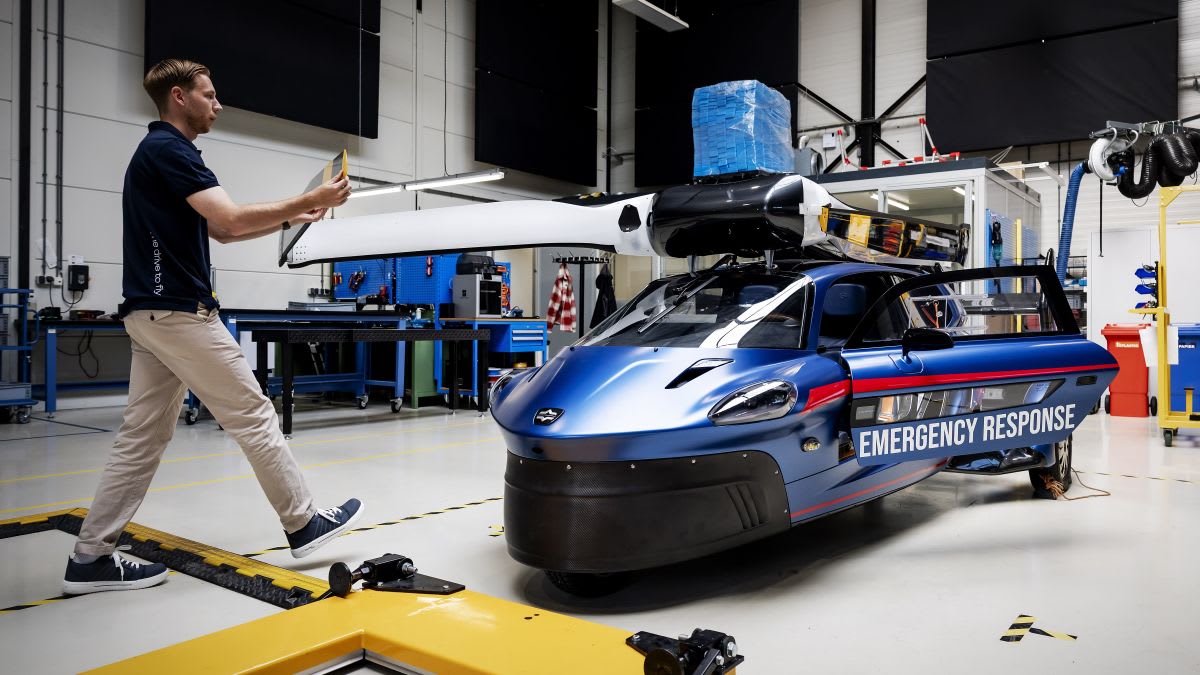
After 20 years of development, a Dutch company just received the final approval to produce flying cars that could be airborne in 2028. The PAL-V Liberty can drive on roads and fly like a helicopter, with emergency services leading the buyer list.
A flying car that seemed stuck in science fiction is finally becoming real, and it could take to European skies in just four years.
PAL-V, a Dutch company based in Noord-Brabant, just received production approval from Europe's aviation safety agency. After two decades of design and testing, they now have every permit needed to start building their Liberty flying car.
The Liberty looks like something from a futuristic movie. It drives on regular roads, then unfolds rotor blades to fly like a helicopter. Chief executive Robert Dingemanse says production will start soon, followed by about 18 months of additional testing to ensure everything meets safety guidelines.
The company has already sold its first 250 vehicles at prices ranging from €299,000 to €499,000. They've stopped taking new orders because their factory can only produce 100 cars per year.
The Ripple Effect
Here's the exciting part: about half the buyers are fire brigades, police forces, and military units. These emergency responders could reach disaster zones, medical emergencies, or rescue situations that would take hours by road.
The other buyers include specialists who need rapid transportation and a handful of wealthy private owners. The Dutch fire brigade is among the customers, though most buyers are international.
The flying car won't solve traffic jams for everyday commuters, especially in the Netherlands. Like any aircraft, it can only take off and land at approved airstrips, about 20 nationwide. Dutch airspace is already crowded with regular air traffic.
Aviation experts point out that countries with challenging geography like Norway's fjords benefit most from this technology. The Netherlands has excellent roads, making flying cars less essential for daily life.
Still, this breakthrough matters beyond convenience. Twenty years ago, PAL-V started with a dream that most people dismissed as impossible. Now they're manufacturing vehicles that literally bridge earth and sky, proving that patient innovation and regulatory cooperation can turn wild ideas into working technology.
Emergency services worldwide are watching closely, seeing potential to save lives when every minute counts.
Based on reporting by Dutch News
This story was written by BrightWire based on verified news reports.
Spread the positivity!
Share this good news with someone who needs it