Earth Hit Rare Chemical Jackpot That Allows Life to Exist
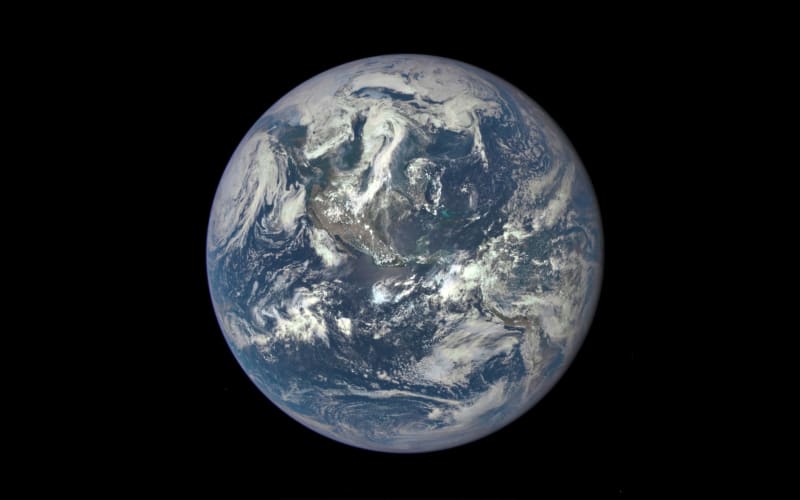
Scientists discovered Earth formed under incredibly precise chemical conditions that let it keep phosphorus and nitrogen, two elements essential for life. Most planets miss this narrow sweet spot, making our world a fortunate exception in the universe.
Earth may owe its ability to support life to winning a cosmic lottery that most planets lose.
New research reveals that our planet formed under an unusually precise set of chemical conditions nearly 4.6 billion years ago. This lucky balance allowed Earth to retain phosphorus and nitrogen, two elements absolutely essential for life as we know it.
The discovery centers on what scientists call a chemical Goldilocks zone. When young planets form, they're often molten balls where heavy metals sink to create a core while lighter materials stay near the surface.
During this chaotic stage, oxygen levels play a critical role in determining where other elements end up. Too little oxygen, and phosphorus bonds with iron and gets dragged into the planet's core, stripping the surface of a key ingredient for DNA, cell membranes, and energy transfer.
Too much oxygen, and nitrogen more easily escapes into space. Either way, the chemistry needed for life never fully comes together.
"During the formation of a planet's core, there needs to be exactly the right amount of oxygen present so that phosphorus and nitrogen can remain on the surface of the planet," explained study lead author Craig Walton of ETH Zurich in Switzerland. Earth somehow threaded this needle perfectly.
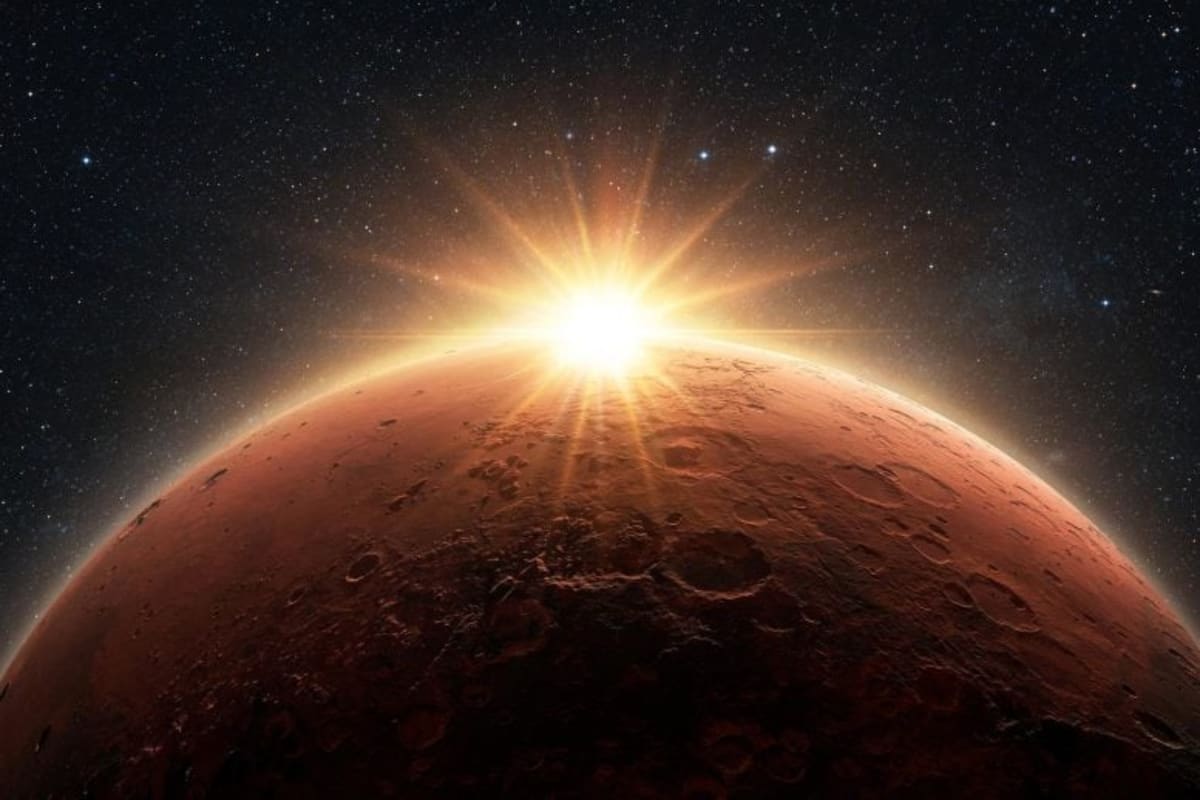
The researchers used advanced models to study planetary formation and found that Earth sits squarely inside this narrow range. Mars, by comparison, formed with oxygen levels outside this sweet spot, leaving it with more phosphorus but less nitrogen than Earth.
Why This Inspires
This discovery doesn't diminish Earth's specialness. Instead, it helps us appreciate just how remarkable our home truly is while giving scientists a roadmap for finding similar worlds.
The findings also shift how we search for alien life. A planet could orbit in the traditional habitable zone where liquid water exists but still lack the internal chemistry required for biology to emerge.
Because planets form from the same material as their stars, scientists can now study stellar chemistry to identify which star systems might produce life-friendly planets. "We should look for solar systems with stars that resemble our own sun," Walton said.
Understanding Earth's chemical fortune helps researchers focus their search on the most promising candidates among thousands of known exoplanets. Rather than casting a wide net, scientists can now zero in on worlds that likely hit the same rare jackpot we did.
The research, published in Nature Astronomy, reminds us that life's existence may require not just the right distance from a star, but also winning an intricate chemical lottery billions of years before the first organism ever appeared.
More Images



Based on reporting by Space.com
This story was written by BrightWire based on verified news reports.
Spread the positivity!
Share this good news with someone who needs it