%2Fhttps%3A%2F%2Ftf-cmsv2-smithsonianmag-media.s3.amazonaws.com%2Ffiler_public%2Ffd%2Fac%2Ffdac4171-4516-470f-9eee-8c971f558e3b%2Fshenzhou-15_spacecraft.jpg)
Earthquake Sensors Now Track Falling Space Junk in Real Time
Scientists have discovered that earthquake sensors can detect sonic booms from falling space debris, helping predict where dangerous objects will land. The breakthrough could prevent weeks-long searches for toxic spacecraft fragments.
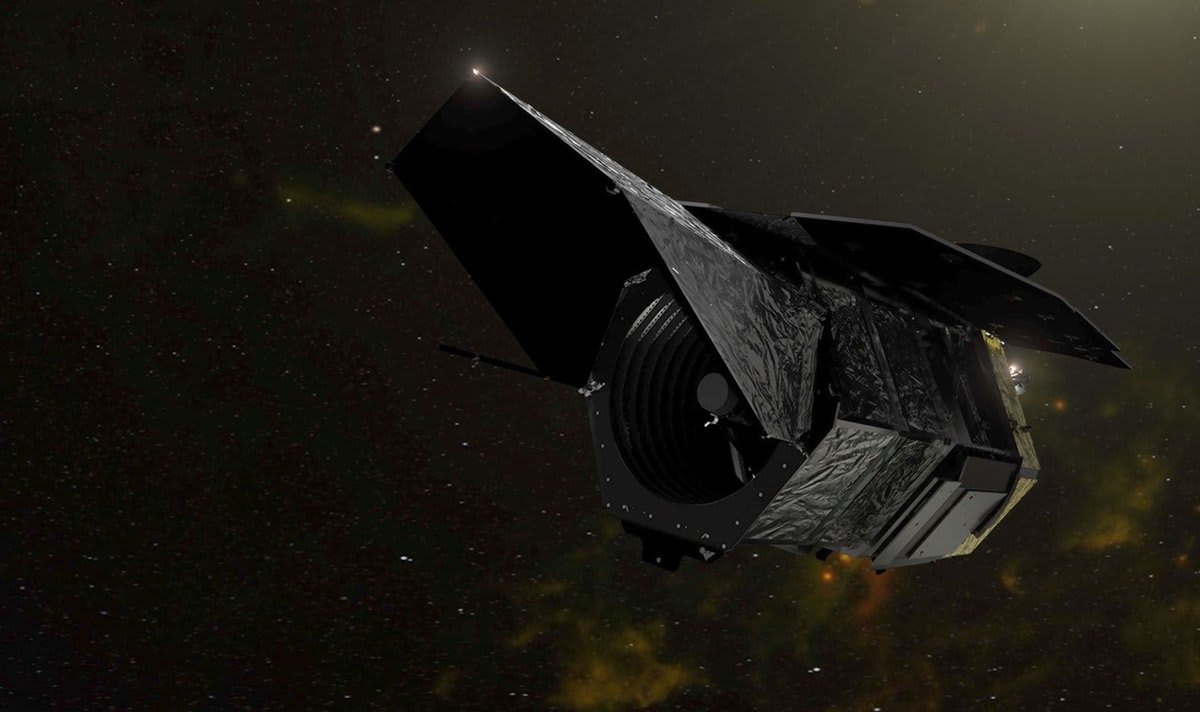
When a 3,300-pound Chinese spacecraft tumbled back to Earth over California in April 2024, it created a spectacular light show and something scientists didn't expect: a solution to tracking dangerous space junk.
Researchers found that earthquake sensors across Southern California and Nevada recorded the ground shaking from the spacecraft's sonic booms. The falling debris traveled faster than the speed of sound, creating powerful booms that slammed into Earth and registered on 125 seismometers throughout the region.
The team mapped these readings to calculate how the Shenzhou-15 module broke apart and traced its path in near real time. They discovered the defunct spacecraft traveled northeast over Santa Barbara and Las Vegas at ten times the speed of the world's fastest jet.
Here's the exciting part: this new method might actually work better than current tracking techniques. The seismometer data showed Shenzhou-15 traveled about 25 miles south of where the U.S. Space Command predicted it would fall based on its orbit alone.
That difference matters more than you might think. When predictions miss the mark, search teams can spend weeks hunting for dangerous debris that might be toxic, flammable, or radioactive. Sometimes they never find it at all.
The beauty of this discovery is that the sensors already exist. Scientists aren't asking for expensive new technology. They're simply using earthquake detection equipment that's already monitoring the ground for alternative purposes.
Why This Inspires
As more countries and companies launch spacecraft, the chances of debris falling back to Earth keep growing. For 60 years, we've been letting large objects re-enter the atmosphere uncontrolled, just hoping they don't hurt anyone or cause damage.
This breakthrough turns a growing problem into a manageable challenge. Instead of weeks-long searches turning up empty, emergency teams could know within minutes where to look for fallen debris. Communities could receive faster warnings about potential hazards in their area.
The research shows how creative thinking can solve modern problems without massive investments. Sometimes the tools we need are already beneath our feet, quietly recording data that could keep people safe.
Scientists are now one step closer to protecting communities from an unexpected hazard of the space age.
More Images
%2Fhttps%3A%2F%2Ftf-cmsv2-smithsonianmag-media.s3.amazonaws.com%2Ffiler_public%2Ffd%2Fac%2Ffdac4171-4516-470f-9eee-8c971f558e3b%2Fshenzhou-15_spacecraft.jpg)
%3Afocal(900x677%3A901x678)%2Fhttps%3A%2F%2Ftf-cmsv2-smithsonianmag-media.s3.amazonaws.com%2Ffiler_public%2Ffd%2Fac%2Ffdac4171-4516-470f-9eee-8c971f558e3b%2Fshenzhou-15_spacecraft.jpg)


Based on reporting by Smithsonian
This story was written by BrightWire based on verified news reports.
Spread the positivity!
Share this good news with someone who needs it