Earth's Hidden Fungi Network Stretches 110 Quadrillion Km
Scientists mapped a vast underground fungal network spanning 110 quadrillion kilometers through Earth's soil, supporting 70% of all land plants. These ancient fungi store massive amounts of carbon and could be crucial allies in fighting climate change.
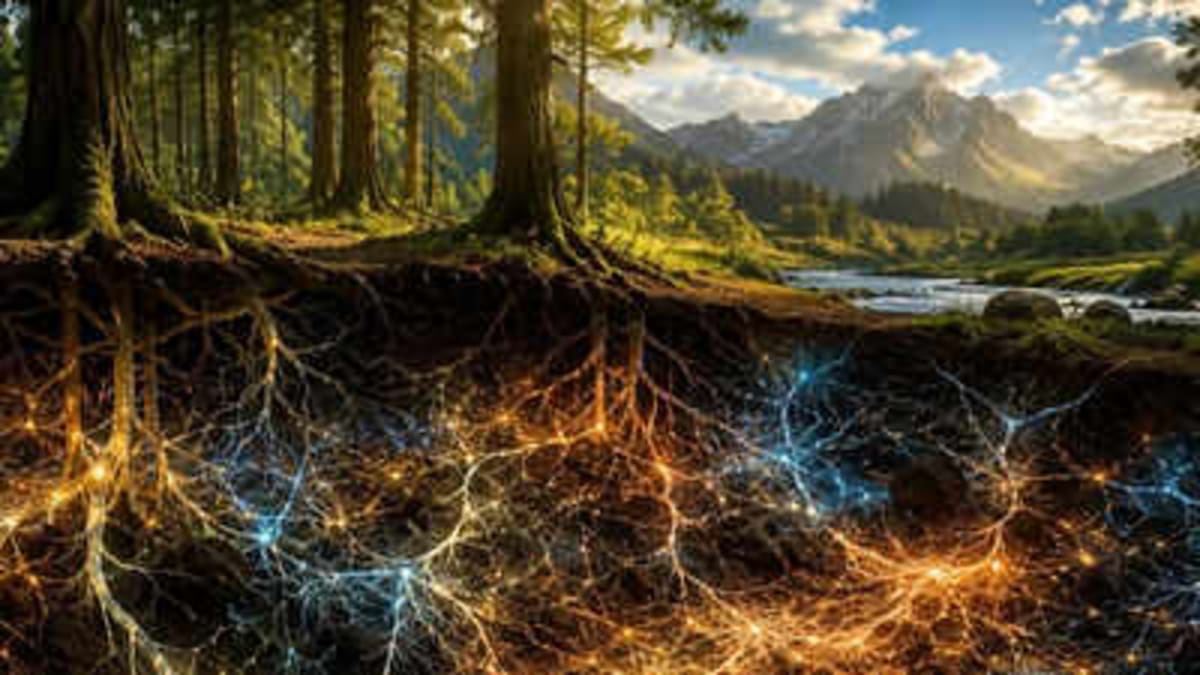
Beneath every forest, grassland, and garden lies an invisible world so vast it could reach the Sun nearly a billion times over.
Scientists have created the first comprehensive map of Earth's underground fungal networks, revealing microscopic threads that collectively stretch 110 quadrillion kilometers through our planet's topsoil. The discovery comes from an international study led by the Society for the Protection of Underground Networks, using over 16,000 soil samples from around the globe.
These aren't science fiction creatures, despite comparisons to the fictional organism from Andy Weir's novel "Project Hail Mary." These arbuscular mycorrhizal fungi have been quietly supporting life on Earth for 475 million years, forming partnerships with roughly 70% of all land plants.
The relationship works like an underground marketplace. Plants create sugars through photosynthesis and share some with the fungi, while the fungi extend far beyond plant roots to gather water and nutrients like phosphorus and nitrogen that plants can't reach on their own.
Researchers call these systems the "wood wide web" because they connect multiple plants together, allowing them to share resources and potentially even send distress signals during drought, disease, or insect attacks. Without these fungal partners, many plants simply couldn't survive in their current environments.
The climate implications are stunning. Earth's topsoils contain roughly 300 megatons of carbon locked inside these fungal networks, equivalent to four to six times the total mass of all humans on the planet.
The fungi also act as carbon movers, transporting carbon-rich compounds from plants deep into soil where it stays out of the atmosphere. Scientists estimate these networks sequester up to one billion metric tons of carbon annually, making them natural climate regulators we've barely begun to understand.
The densest fungal communities thrive in natural ecosystems like grasslands, wetlands, and floodplains. Florida's Everglades and South Sudan's Sudd wetlands emerged as particularly important hotspots, supporting rich fungal diversity that provides critical environmental services beyond just carbon storage.
The Bright Side
This discovery gives us a powerful new tool in addressing climate change, one that's been working for hundreds of millions of years. By protecting natural ecosystems where these fungal networks flourish, we're not just saving wildlife but also preserving underground allies that actively remove carbon from our atmosphere.
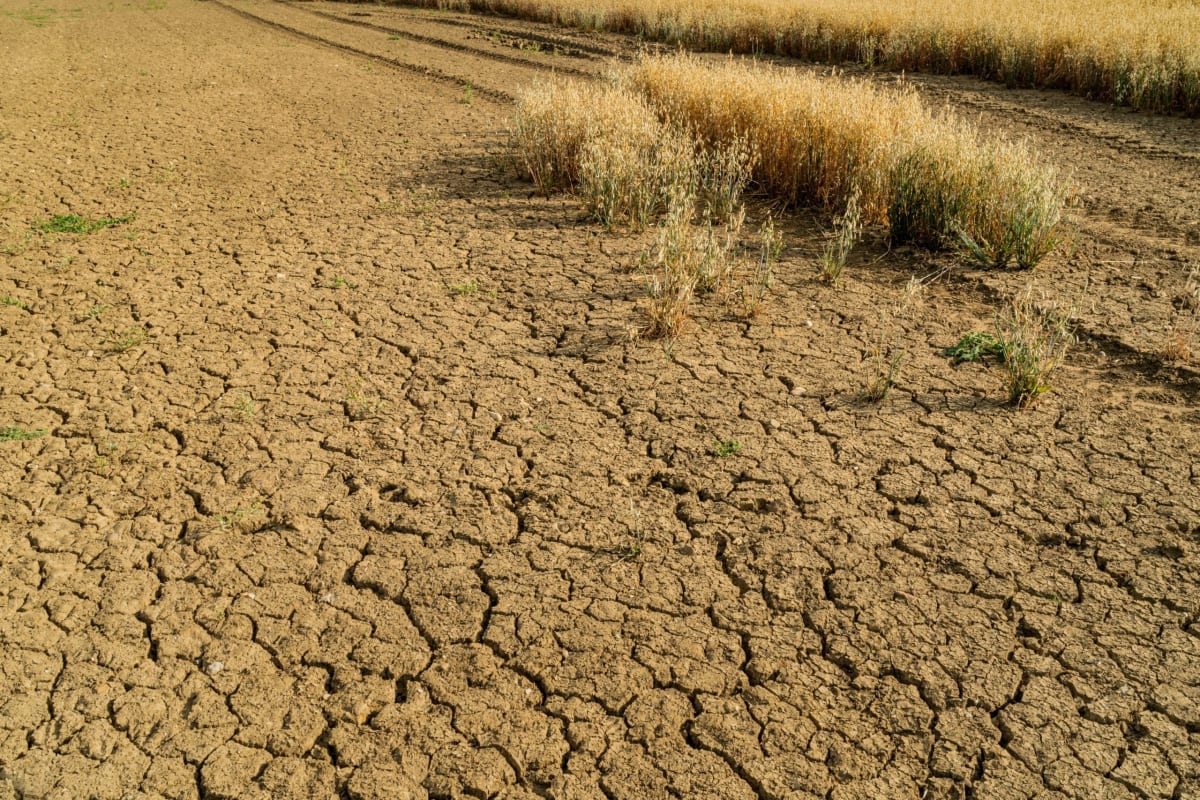
The research also reveals where these networks are struggling. Intensively farmed croplands show significantly reduced fungal activity, suggesting that agricultural practices could be redesigned to support rather than destroy these beneficial organisms.
Understanding what we've had beneath our feet all along opens new pathways for regenerating damaged ecosystems and enhancing natural carbon capture. Sometimes the most powerful solutions to our biggest challenges have been hiding in plain sight, waiting just below the surface for us to recognize their value.
More Images



Based on reporting by Google News - Scientists Discover
This story was written by BrightWire based on verified news reports.
Spread the positivity!
Share this good news with someone who needs it