Ecuador's 3,000-Year-Old Amazon 'City' Rewrites History
New technology just revealed a massive 3,000-year-old network of earthen structures in Ecuador's Amazon, proving ancient civilizations built sophisticated cities in the jungle long before anyone thought possible. The discovery shatters outdated theories that said the Amazon could only support small nomadic groups.
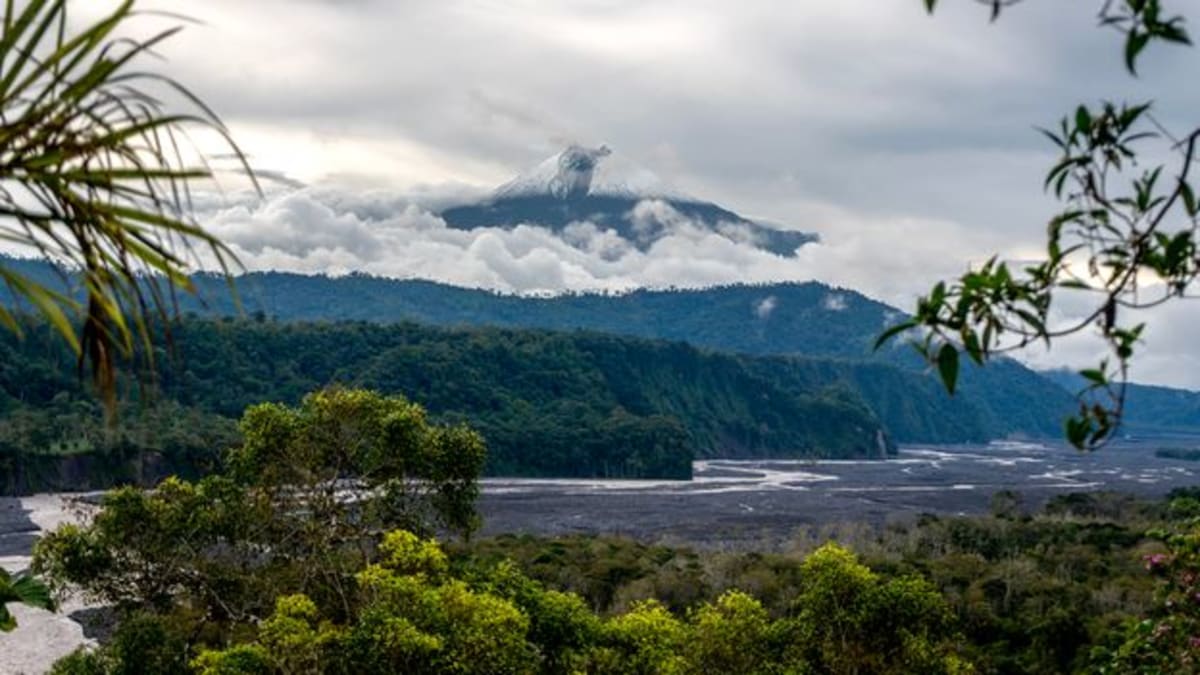
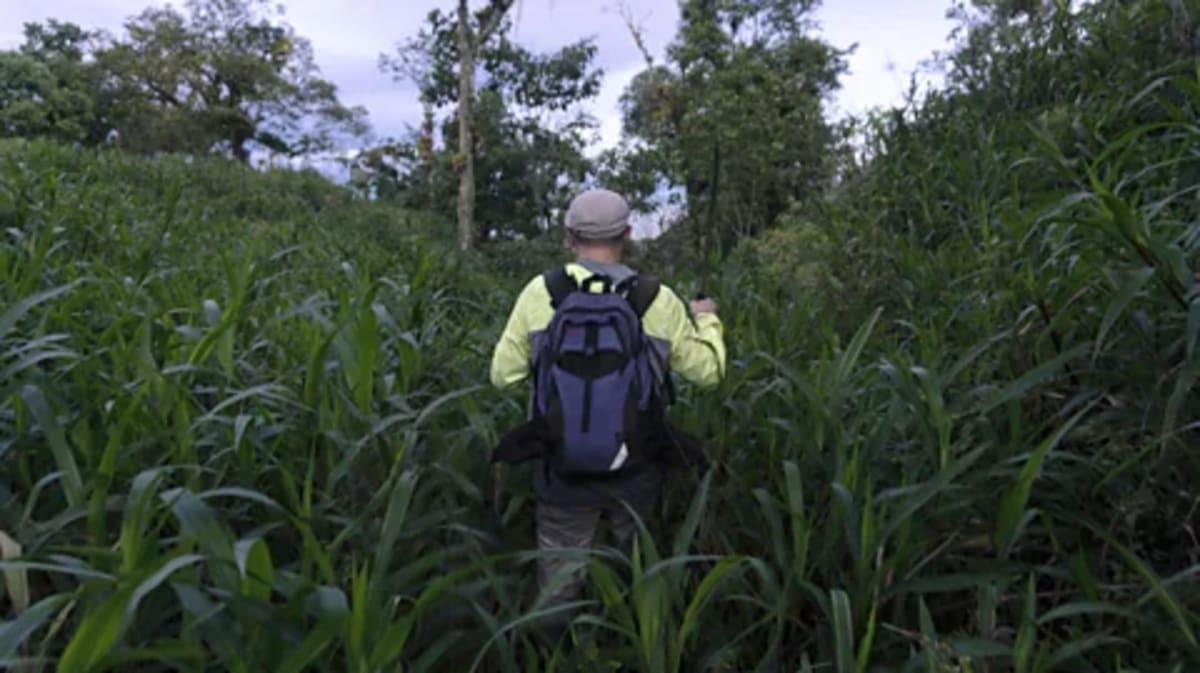
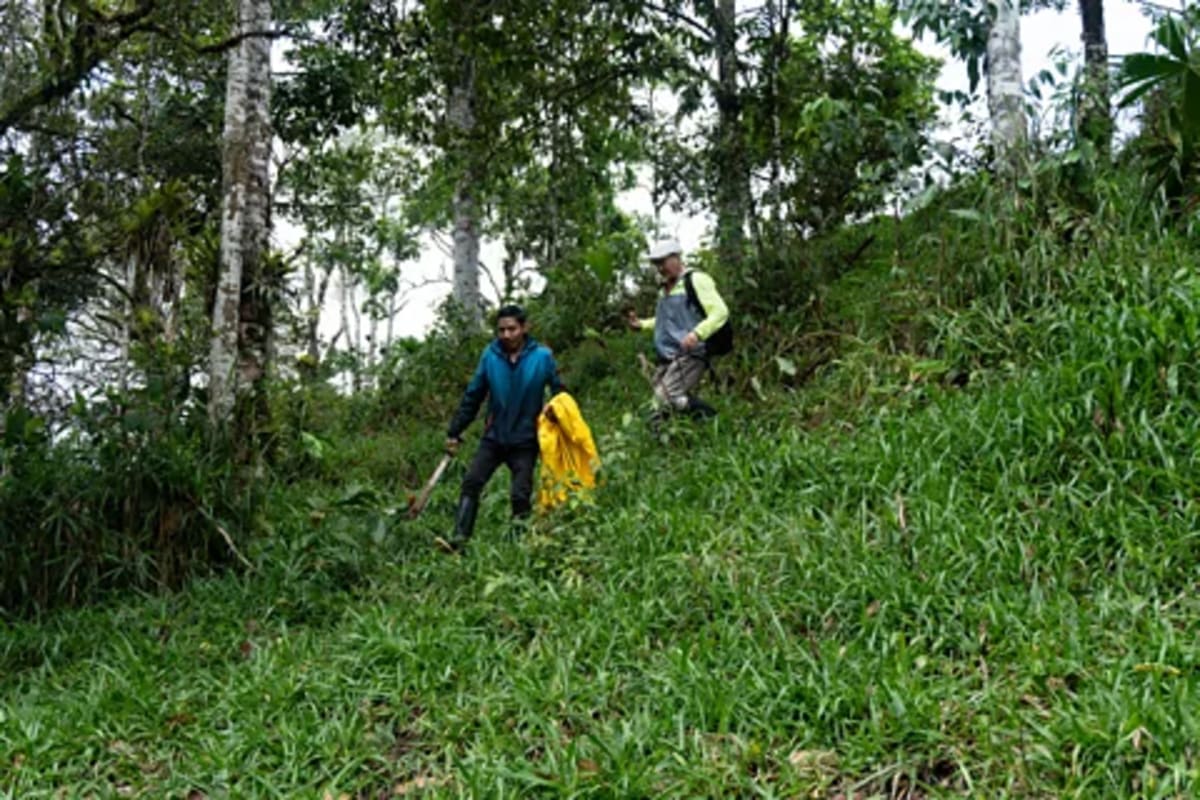
Deep in Ecuador's Amazon jungle, archaeologist Alden Yépez hikes through shoulder-high grass to reach something remarkable: a 3,000-year-old "city" that's rewriting what we know about ancient civilizations.
For decades, scientists believed the Amazon's harsh climate meant only small groups of hunter-gatherers could survive there. But new mapping technology just revealed that assumption was completely wrong.
Using laser technology called Lidar, researchers mapped 600 square kilometers of Ecuador's Upano Valley from airplanes. The lasers pierced through the jungle canopy to reveal what was hiding beneath: nearly 7,500 man-made structures including over 5,000 earthen platforms, hundreds of roads, plazas, and drainage systems.
Local archaeologists knew about some earthen mounds for 50 years, starting with Jesuit priest Pedro Porras in 1978. But nobody understood the true scale until now.
The ancient inhabitants shaped tons of compacted earth into hills and platforms to live on, connected by an intricate network of roads and trenches. They weren't just surviving in the Amazon—they were thriving, building a sprawling urban landscape that lasted for centuries.
What makes this discovery even more fascinating is that these weren't "cities" like we think of them today. Researcher Michael Heckenberger describes them as multicentric and low-density, a unique form of urbanism that worked with the Amazon's strengths and weaknesses rather than against them.
The findings add to growing evidence from Brazil, Colombia, and elsewhere that sophisticated civilizations flourished throughout the Amazon long before European contact in the 1500s. This challenges the discredited theory of environmental determinism, which claimed tropical climates would naturally prevent human progress.
Why This Inspires
This discovery does more than fill in historical blanks. It proves that ancient people found innovative ways to build thriving communities in one of Earth's most challenging environments.
Their success came from working with nature instead of dominating it, creating a form of urban life perfectly adapted to the jungle. That wisdom feels especially relevant today as we face our own environmental challenges.
The Upano Valley civilization shows us that human ingenuity has always found ways to flourish, even in places where "experts" said it was impossible.
More Images

Based on reporting by BBC Future
This story was written by BrightWire based on verified news reports.
Spread the positivity!
Share this good news with someone who needs it