Egypt Uncovers 2,000-Year-Old Temple in Ancient Sinai City
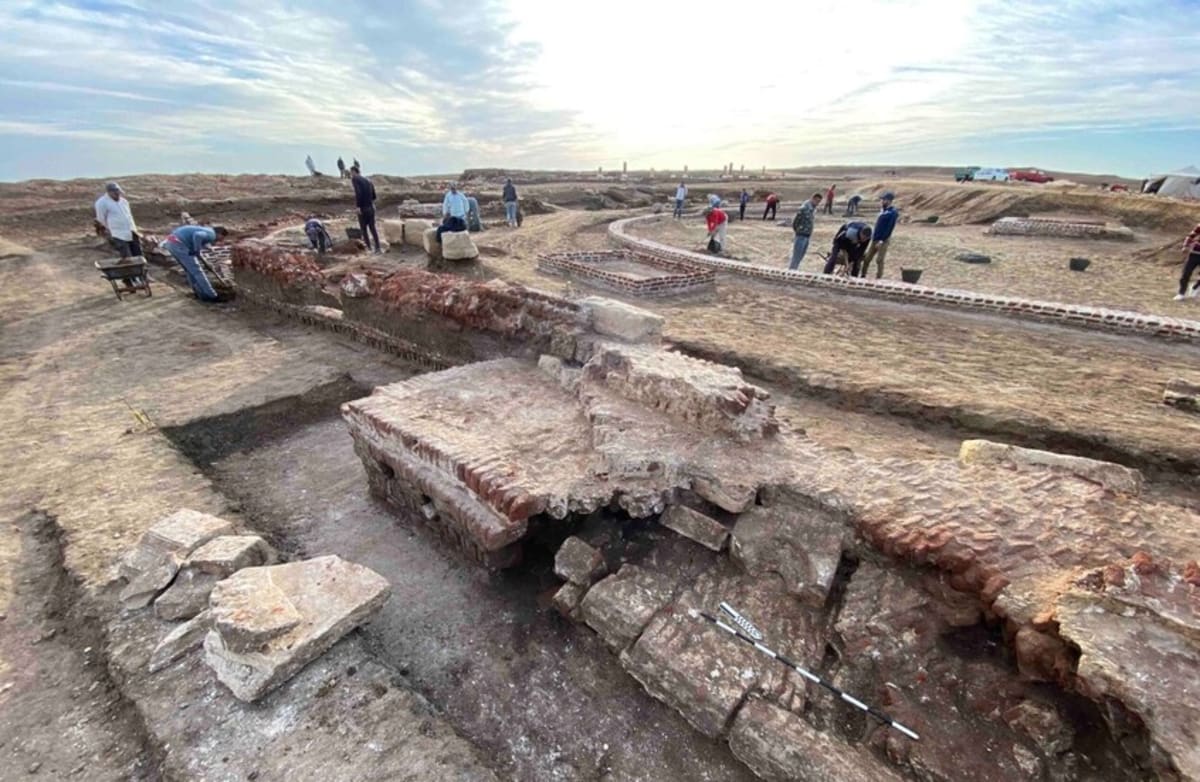
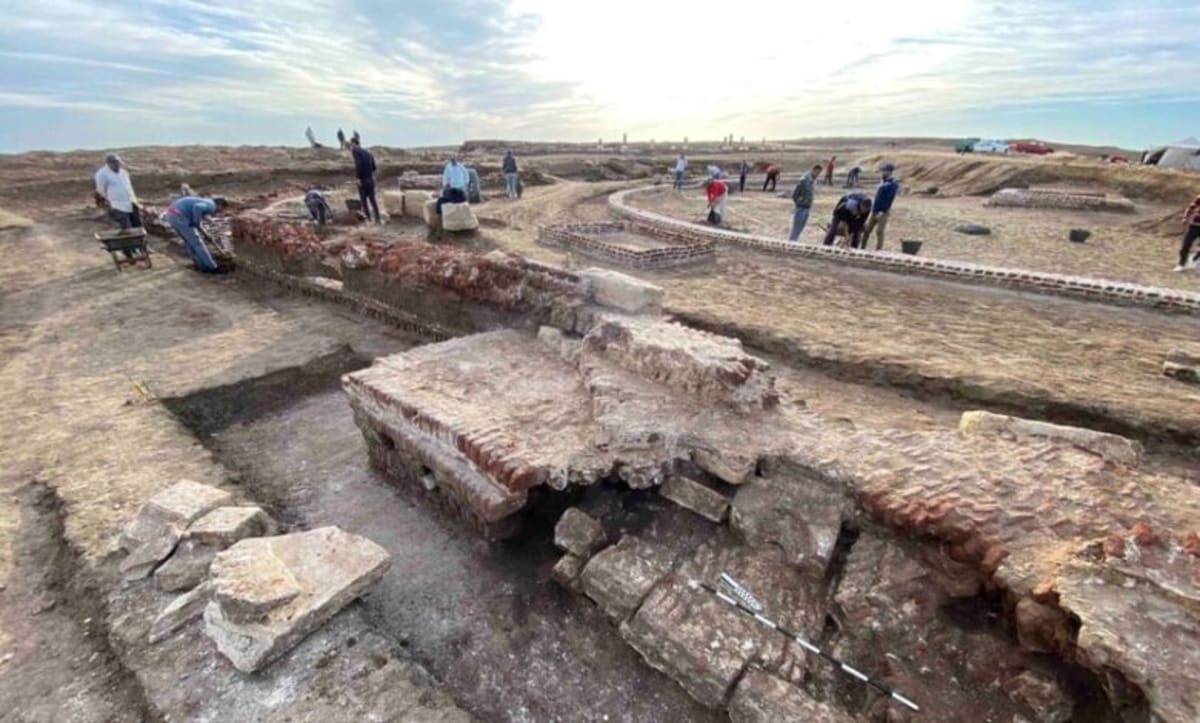
After six years of digging, archaeologists in Egypt have discovered a massive sacred water temple in the ancient city of Pelusium, complete with a 35-meter basin once fed by the Nile. The rare find blends Egyptian, Greek, and Roman architecture in a way experts have never seen before.
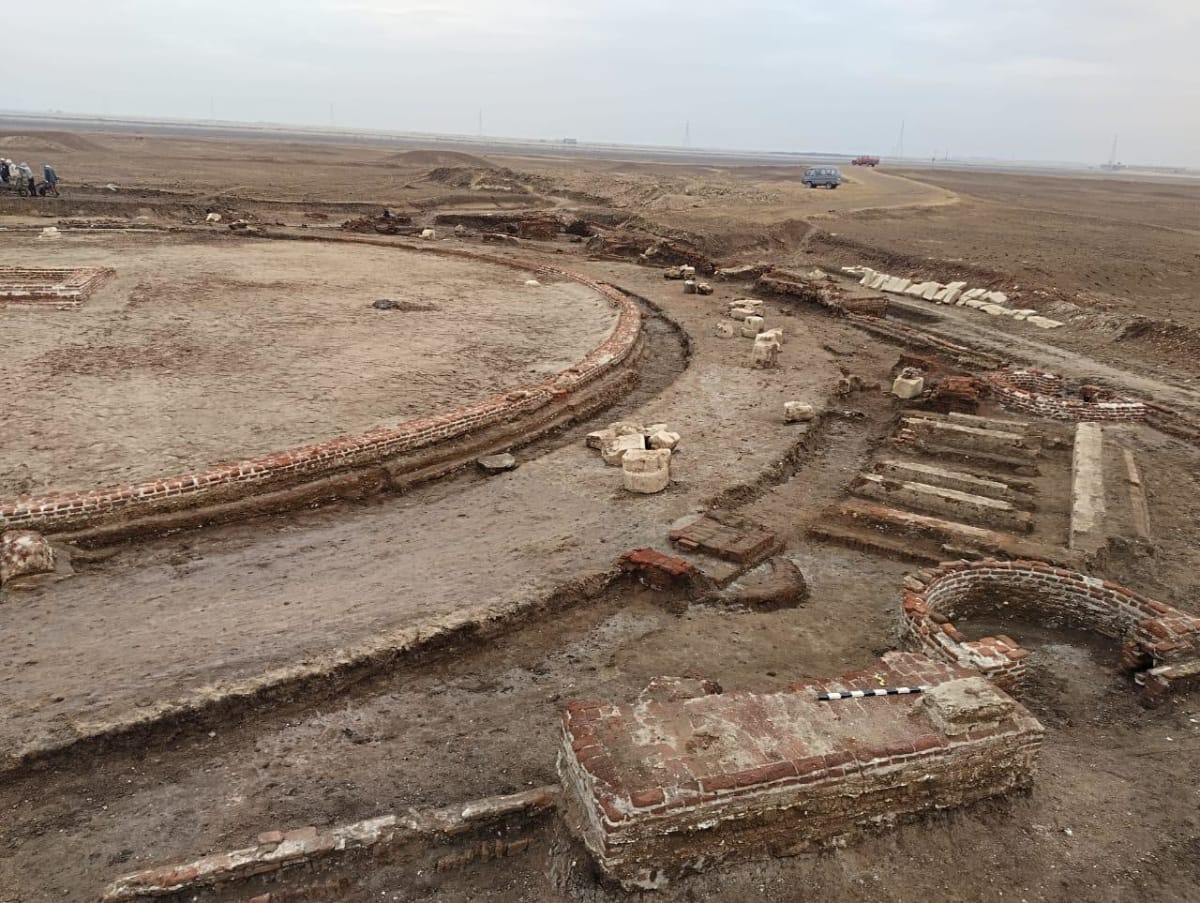
A circular brick structure hidden beneath the sands of North Sinai for nearly two millennia has revealed itself as one of Egypt's most unusual religious sites.
Egyptian archaeologists announced the discovery of a sacred water temple in Pelusium, an ancient city that once thrived at the crossroads of Egypt and the Mediterranean world. The temple honored Pelousios, a local deity whose name comes from the Greek word for mud.
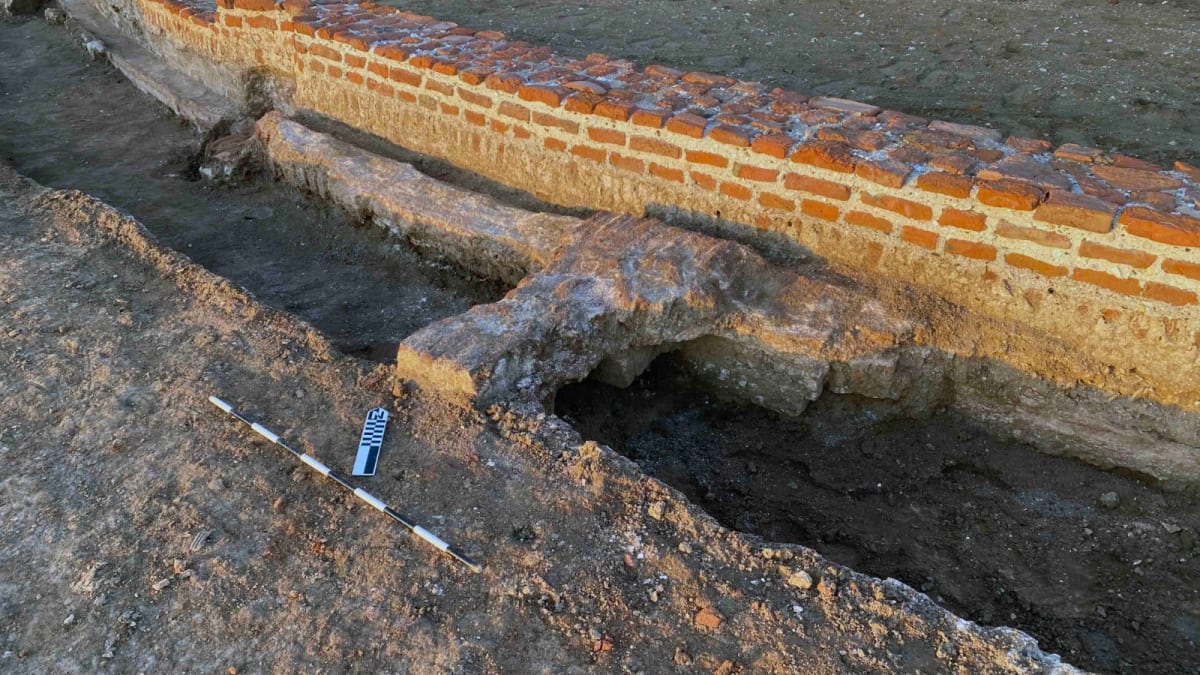
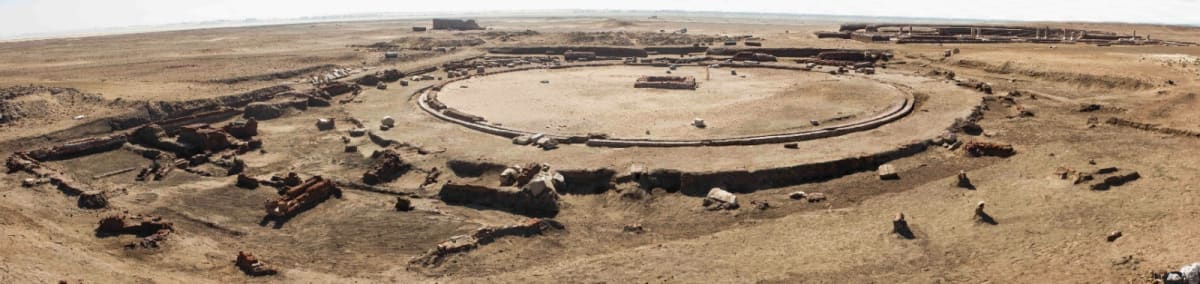
The centerpiece is stunning. A massive circular basin stretches 35 meters across, originally connected to a now-vanished branch of the Nile River. Ancient priests filled this basin with river water and silt as offerings to the mud god, creating a symbolic tribute that must have been breathtaking to witness.
A square pedestal rises from the basin's center, likely once supporting a towering statue of Pelousios himself. Surrounding the entire structure, engineers built an intricate network of drainage canals that kept the sacred water flowing for centuries.
What makes this discovery special is the architecture itself. The building blends traditional Egyptian design with Hellenistic and Roman styles, creating something archaeologists say they've rarely encountered. It shows how cultures mingled and influenced each other in this strategic port city.
The discovery almost went in a completely different direction. When the team first uncovered 25 percent of the circular structure in 2019, they thought they'd found a Bouleuterion, a civic council building common in Greek and Roman cities. Only after years of additional excavation and consultation with experts at France's Sorbonne University did the true purpose become clear.
The Ripple Effect
Evidence shows people used this temple continuously from the 2nd century BCE until the 6th century CE. That's 800 years of worship, adaptation, and cultural exchange in one sacred space.
The discovery reinforces North Sinai's importance as an archaeological treasure trove. Egypt's Ministry of Tourism and Antiquities has committed to continuing scientific research at the site, promising more revelations about how ancient civilizations connected and influenced each other.
For researchers studying how religions and cultures spread throughout the ancient world, Pelusium offers a tangible example of peaceful coexistence and creative fusion. The temple stands as proof that even 2,000 years ago, humanity found ways to blend traditions and build something beautiful together.
More Images
Based on reporting by Egypt Independent
This story was written by BrightWire based on verified news reports.
Spread the positivity!
Share this good news with someone who needs it
%2Fhttps%3A%2F%2Ftf-cmsv2-smithsonianmag-media.s3.amazonaws.com%2Ffiler_public%2F15%2F3b%2F153b5427-10f9-4ad6-b039-8823a36efc6f%2Fhd100065orig.jpg)