Egypt Uncovers 2,000-Year-Old Temple in North Sinai
After six years of excavation, archaeologists in Egypt have discovered a unique religious temple and massive water basin in the ancient city of Pelusium, revealing how civilizations blended cultures 2,000 years ago. The find shows North Sinai still holds countless secrets waiting to be uncovered.
Archaeologists in Egypt just unearthed a stunning piece of history that rewrites what we knew about ancient religious life in the Mediterranean. A massive temple dedicated to Pelousios, the "God of Mud," has emerged from the sands of North Sinai after six years of careful excavation.
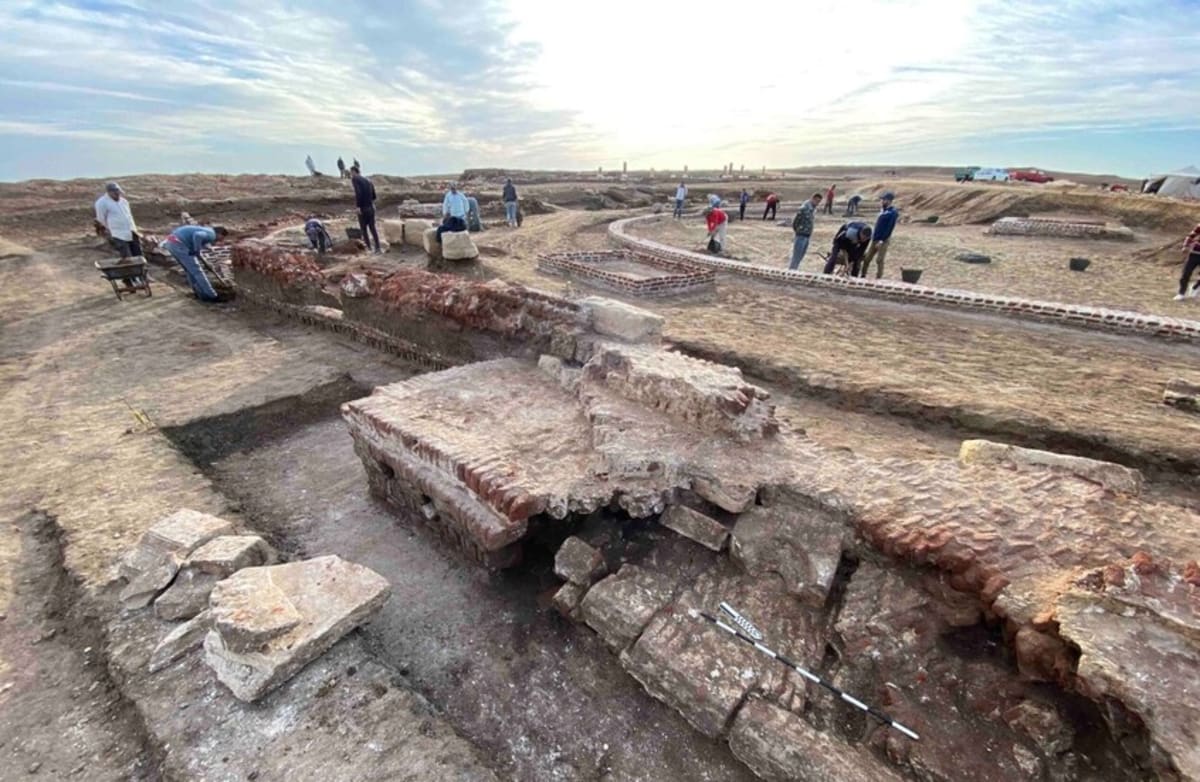
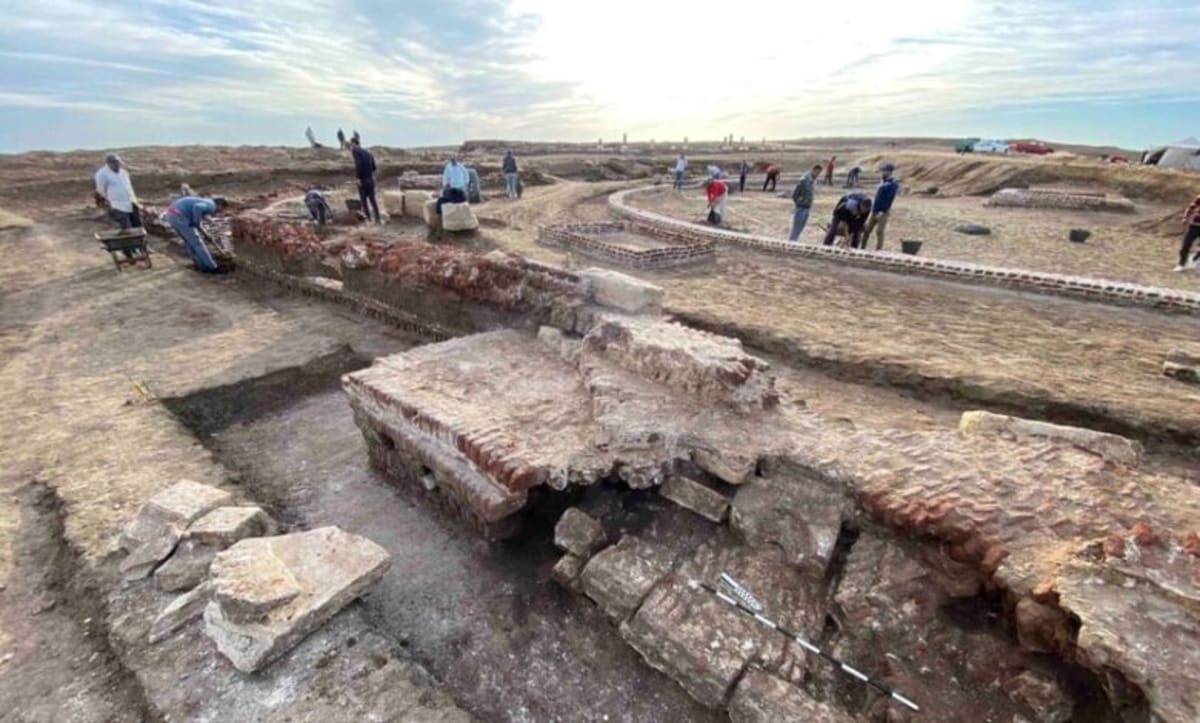
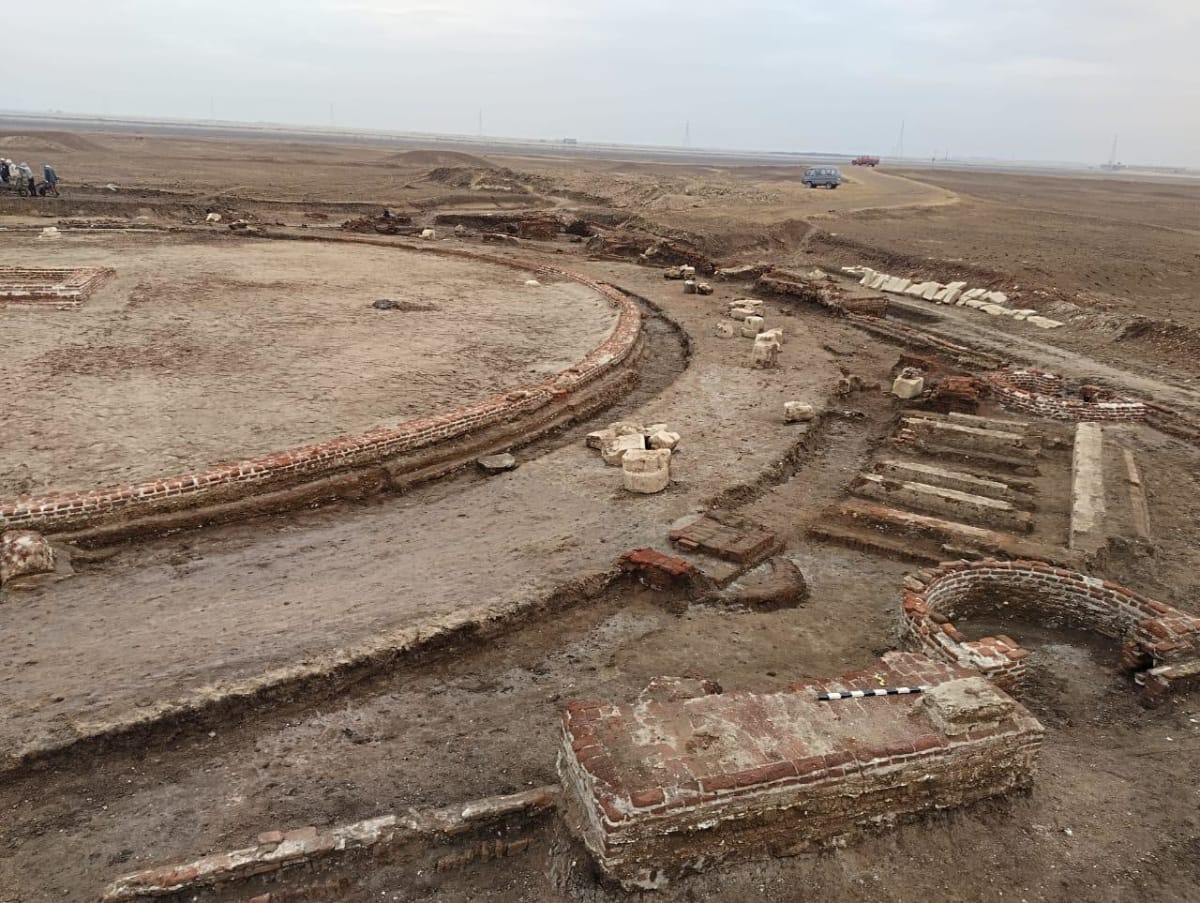
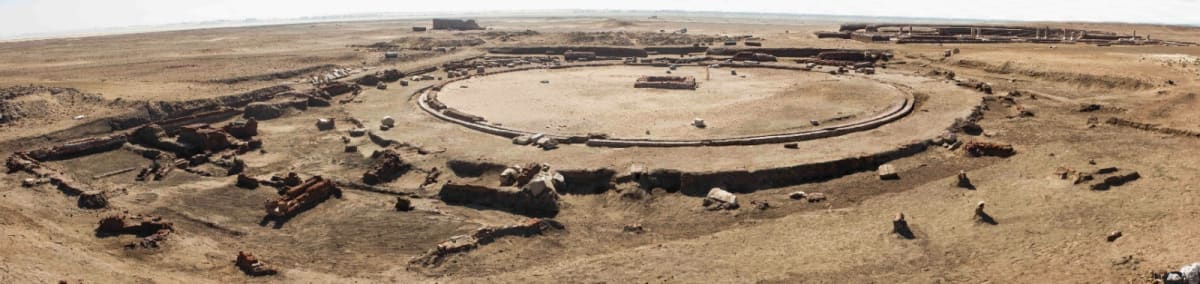
The discovery centers on a breathtaking circular basin, 35 meters wide, that once connected directly to the Nile River. Ancient worshippers filled this enormous structure with Nile water and silt to honor Pelousios, whose very name comes from the Greek word for mud.
The Egyptian Ministry of Tourism and Antiquities announced the find at Tell El-Farma, the site of ancient Pelusium. This wasn't just any temple. The structure blends Ancient Egyptian traditions with Hellenistic and Roman architectural styles, creating something archaeologists have never seen before.
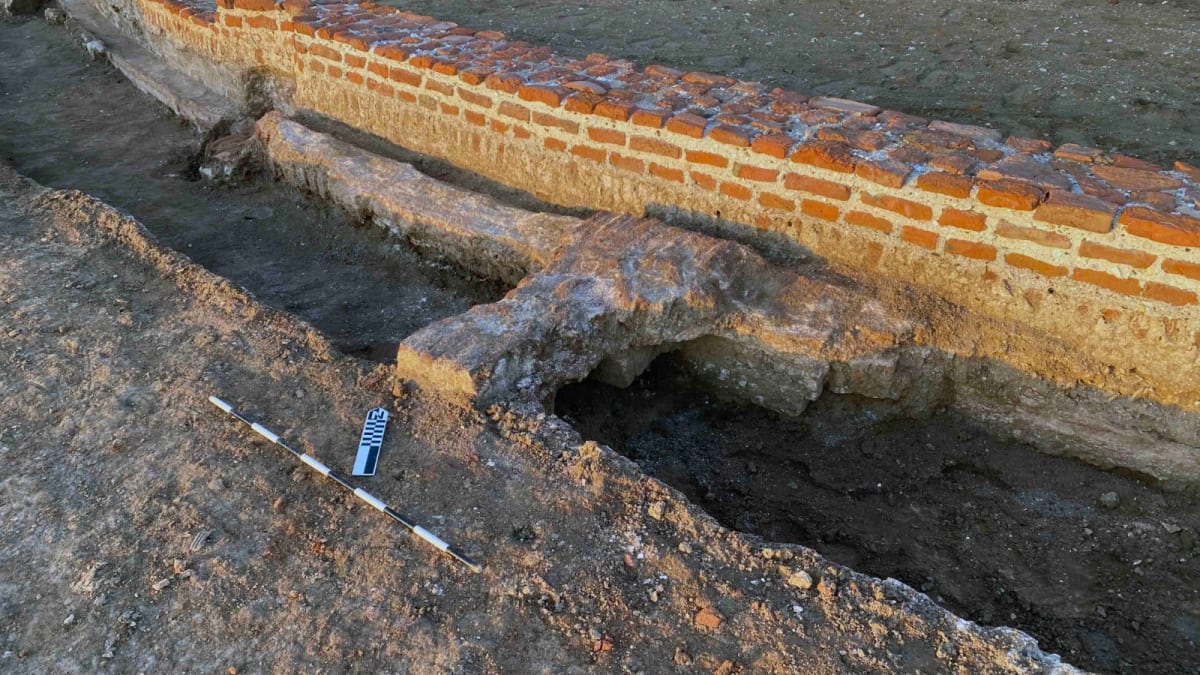
The basin features an intricate drainage system and a square pedestal at its center that likely held a towering statue of the deity. Evidence shows people actively used this sacred site for an incredible 800 years, from the 2nd century BCE until the 6th century CE.
The story of how archaeologists identified the site makes the discovery even more fascinating. In 2019, the team first uncovered just 25 percent of a circular red-brick structure and thought they'd found a Bouleuterion, an ancient civic building like a senate house.
But as more seasons of digging revealed a much larger, more complex design, the team knew they had something different. They consulted with experts including Professor Jean-Yves Carrez-Maratray from Sorbonne University and compared their findings to Hellenistic and Roman structures across the Mediterranean.
The evidence led to an exciting reclassification: this was no civic building but a sacred water facility for specific religious rituals. The temple represents a beautiful fusion point where Egyptian, Greek, and Roman cultures met and blended.
The Ripple Effect
This discovery does more than add artifacts to museums. It shows how ancient peoples embraced cultural exchange rather than isolation, creating something new by combining traditions. The temple stands as 2,000-year-old proof that different civilizations can come together and create beauty.
Minister Sherif Fathy emphasized that North Sinai still promises many more secrets buried beneath the sand. The Ministry remains committed to ongoing research at Pelusium to enrich human knowledge and academic study.
The site offers fresh insights into how religious ideas spread throughout the ancient world and how Mediterranean cultures influenced each other. Each new excavation season brings archaeologists closer to understanding daily life in this crucial crossroads city.
After six years of patient work, this temple reminds us that history still has incredible stories to tell.
More Images
Based on reporting by Google: archaeological discovery
This story was written by BrightWire based on verified news reports.
Spread the positivity!
Share this good news with someone who needs it
%2Fhttps%3A%2F%2Ftf-cmsv2-smithsonianmag-media.s3.amazonaws.com%2Ffiler_public%2F15%2F3b%2F153b5427-10f9-4ad6-b039-8823a36efc6f%2Fhd100065orig.jpg)