Egypt Uncovers 3,600-Year-Old Settlement Near Ancient Border
Archaeologists in Egypt have discovered a remarkably preserved ancient settlement from 3,600 years ago, complete with homes, tombs, and everyday artifacts that offer a rare window into life during a pivotal period in Egyptian history. The find includes unusual burial practices never before seen at the site.
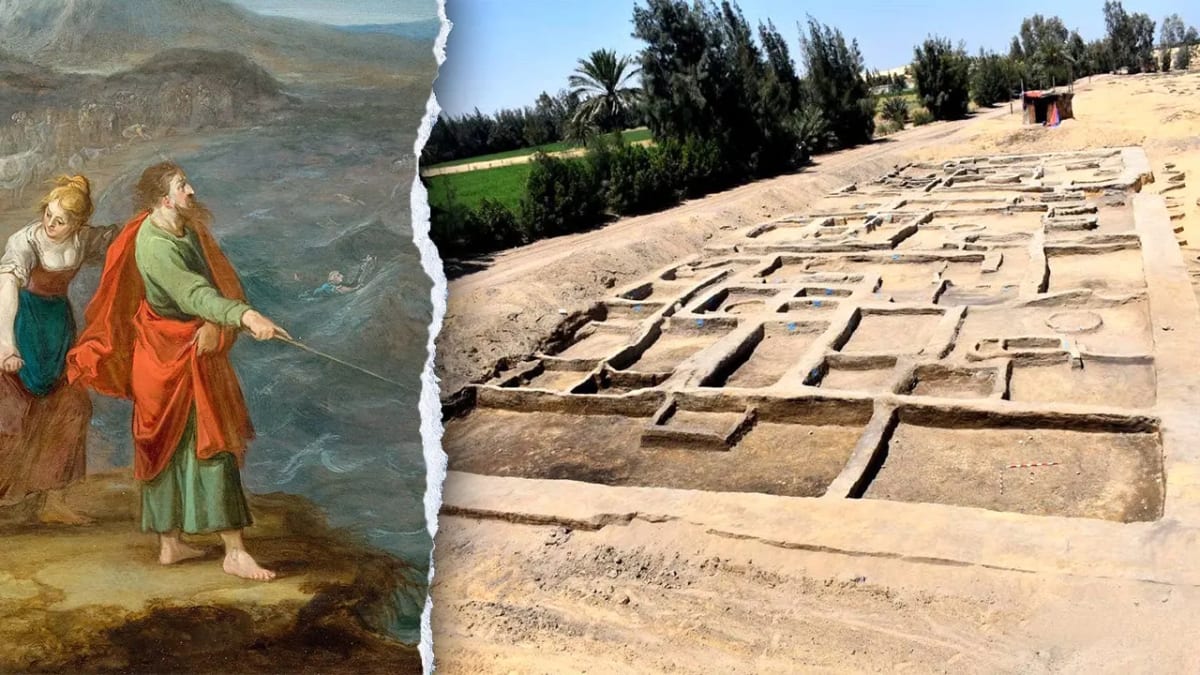
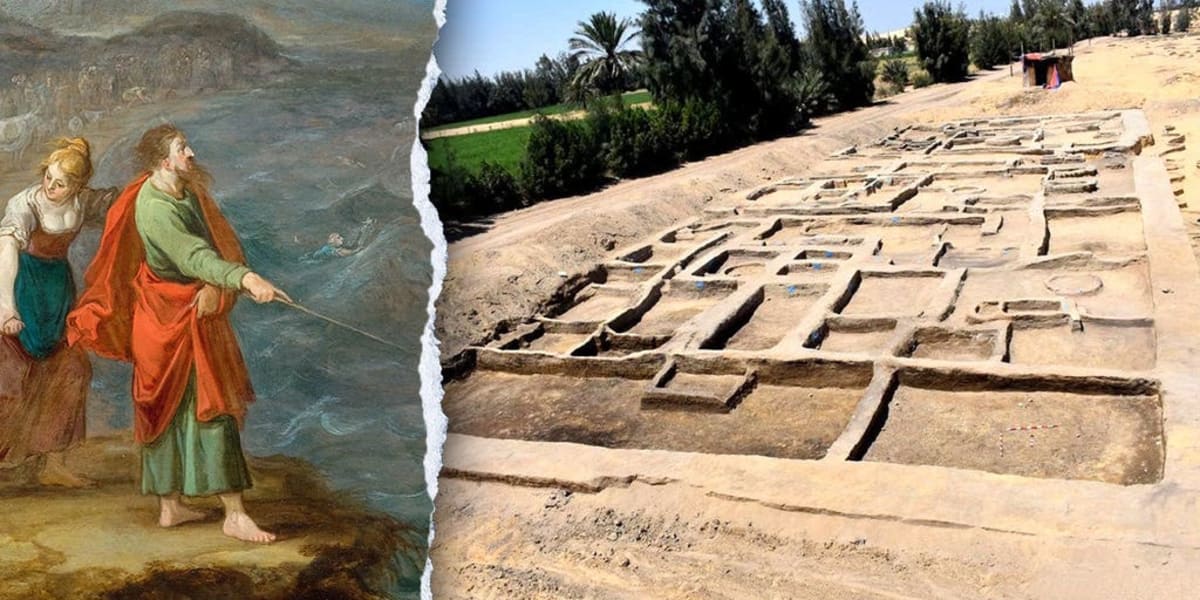
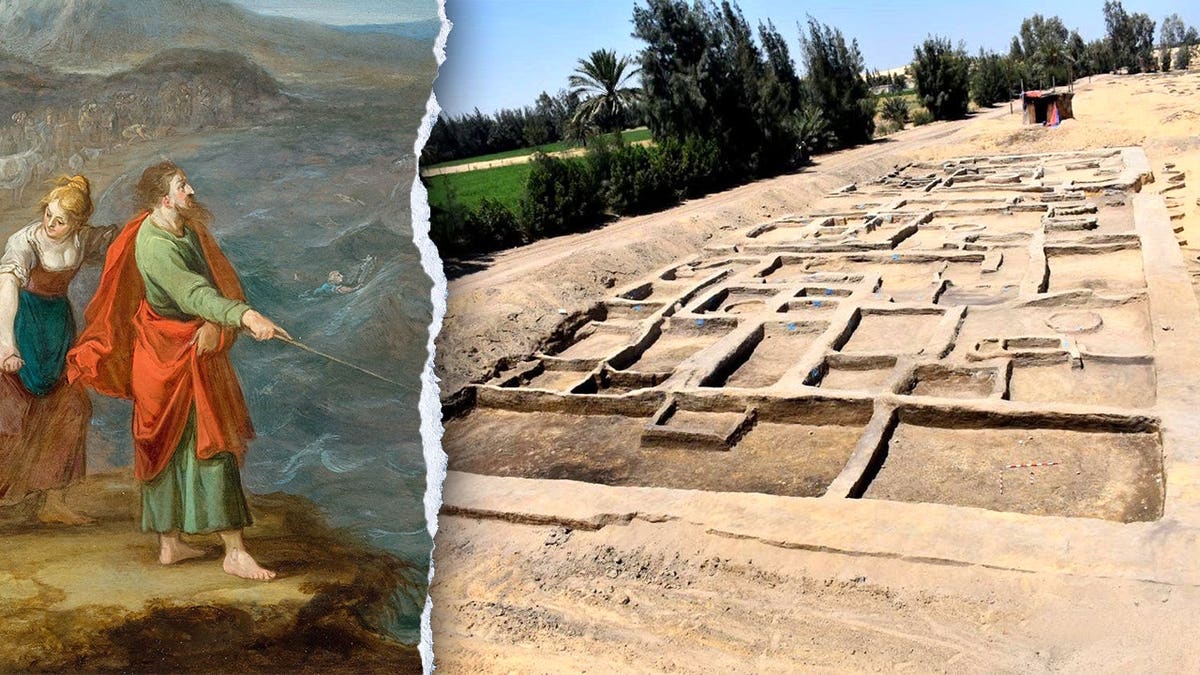
Archaeologists working in Egypt's Wadi Tumilat region have unearthed an ancient settlement that's rewriting what we know about life 3,600 years ago. The discovery at Tell el-Koua includes homes, grain storage, ovens, and tombs that remained surprisingly intact through millennia.
The settlement dates to Egypt's Second Intermediate Period, when the Hyksos people ruled northern Egypt before being driven out. This corridor once linked the eastern Nile Delta with Egypt's eastern frontier, making it a crucial crossroads for ancient civilizations.
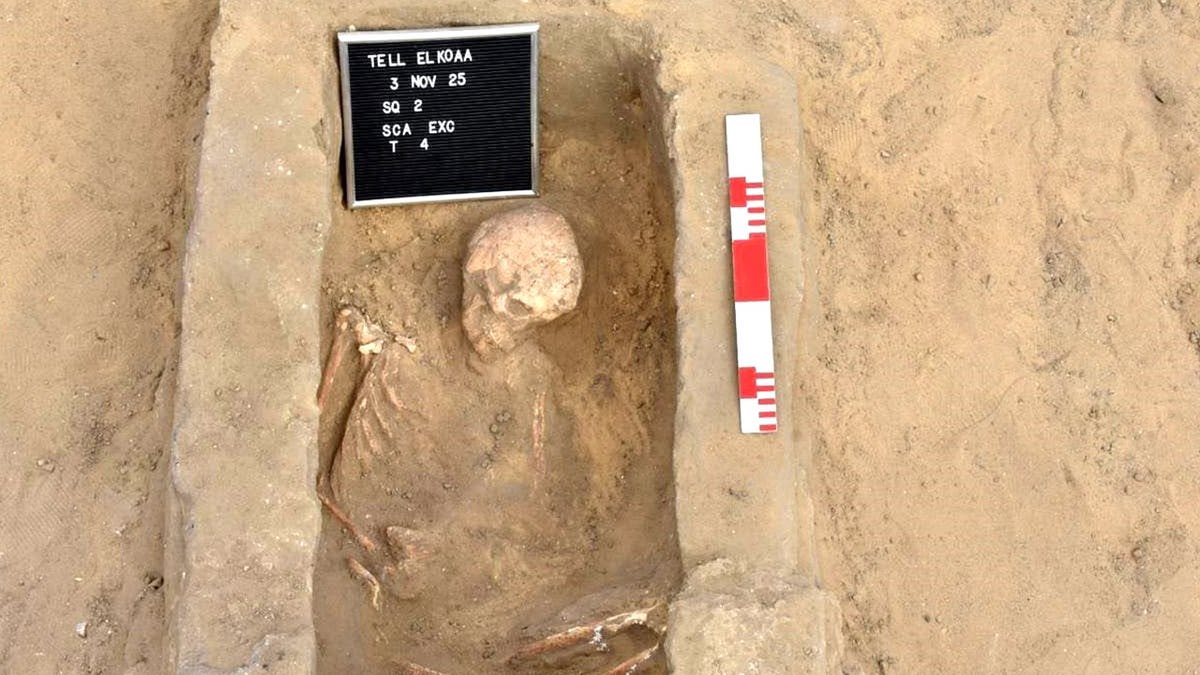
What makes this discovery special is how complete it is. Excavators found 10 mudbrick tombs alongside the remains of everyday life: bronze tools, pottery, cosmetic containers, and even the bones from ancient meals.
The site reveals an organized community with distinct neighborhoods. A massive residential complex stretching nearly 200 feet contained large halls and rooms, while nearby kilns and grain silos show where people produced and stored food.
One discovery has researchers particularly excited. For the first time at this location, they found human burials outside the traditional tombs, including some bodies positioned in a crouched posture that archaeologists had never seen here before.
The pottery collection tells its own story about daily routines. Analysis shows the settlement saw intensive use, with tableware making up most of the finds, followed by cooking vessels that speak to countless family meals prepared thousands of years ago.
Why This Inspires
This discovery reminds us that archaeology isn't just about dates and artifacts. It's about connecting with real people who lived, worked, cooked meals, and cared for their families in ways we still recognize today.
The scarab amulets and cosmetic containers show that ancient Egyptians valued beauty and meaning in their daily lives. The grain storage and organized neighborhoods reveal communities working together, planning for the future, and building something lasting.
Egypt's Minister of Tourism and Antiquities Sherif Fathy noted the site functioned as a fully integrated community, with residential areas, storage facilities, production zones, and burial grounds all working together. It's a snapshot of human civilization finding its footing thousands of years ago.
The discovery follows another major find from the same period last year, when archaeologists uncovered a rare pharaoh's tomb buried 23 feet beneath the desert near Abydos.
Each artifact pulled from the sand connects us a little more to our shared human story, reminding us that the desire to build, create, and care for one another spans thousands of years.
More Images
Based on reporting by Fox News Travel
This story was written by BrightWire based on verified news reports.
Spread the positivity!
Share this good news with someone who needs it