Egypt Unearths 4,350-Year-Old Tomb of Royal Secret Keeper
Archaeologists in Egypt discovered the beautifully decorated tomb of Sekhentio-Ptah, an official who held one of ancient history's most intriguing job titles. The 4,350-year-old burial site offers a fascinating window into life during the age of pyramid builders.
Archaeologists in Egypt have uncovered something special: the tomb of a man whose job was keeping the pharaoh's secrets over 4,000 years ago.
The decorated burial belongs to Sekhentio-Ptah, who lived during Egypt's Old Kingdom when the famous pyramids at Giza were being built. His official title was "keeper of the secrets of royal decrees," which sounds like something from a mystery novel.
The reality was probably less James Bond and more office manager. According to Ann Macy Roth, a professor of Egyptology at New York University, the title likely meant Sekhentio-Ptah managed royal documents and the scribes who wrote them. He had access to confidential information, making it a common title among royal scribes of the time.
The tomb at Saqqara reveals that Sekhentio-Ptah held other impressive positions too. He was "Overseer of all the King's Works" and "Overseer of Royal Documents," according to Egypt's Ministry of Tourism and Antiquities.
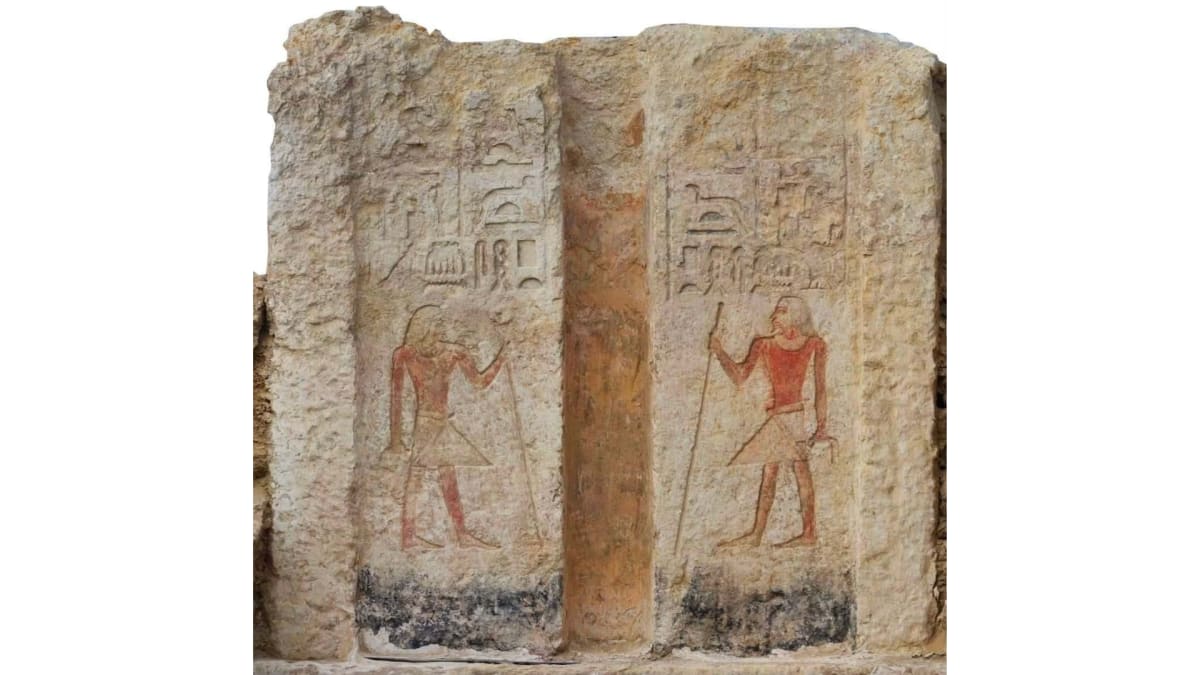
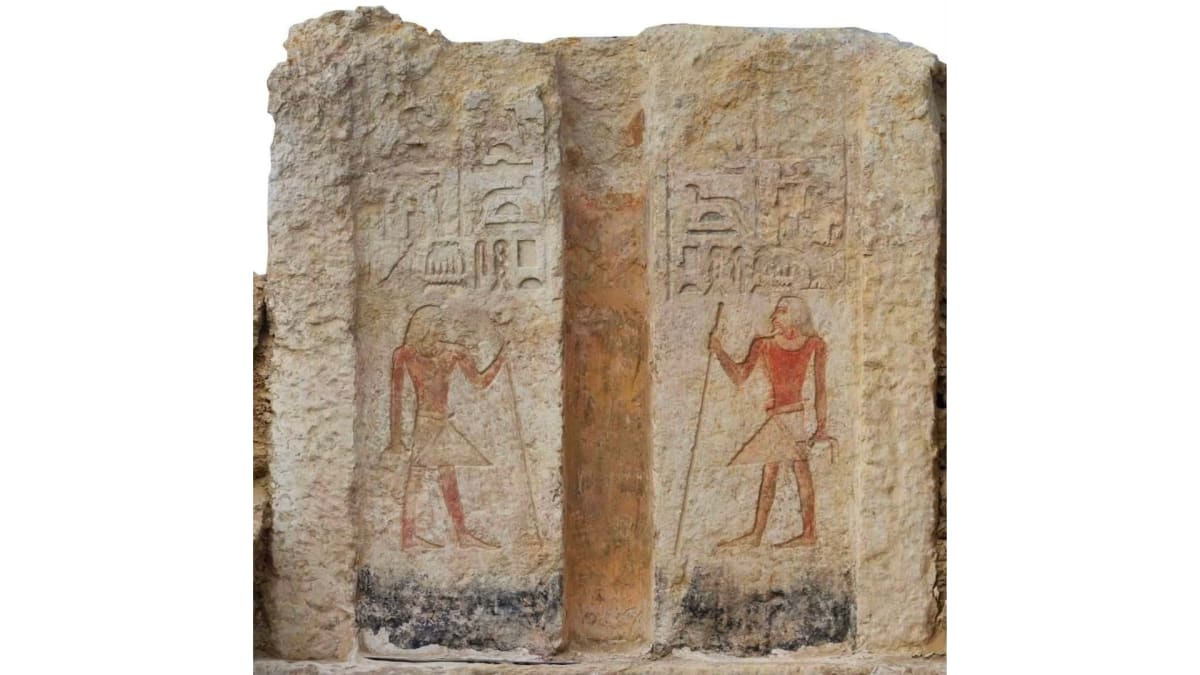
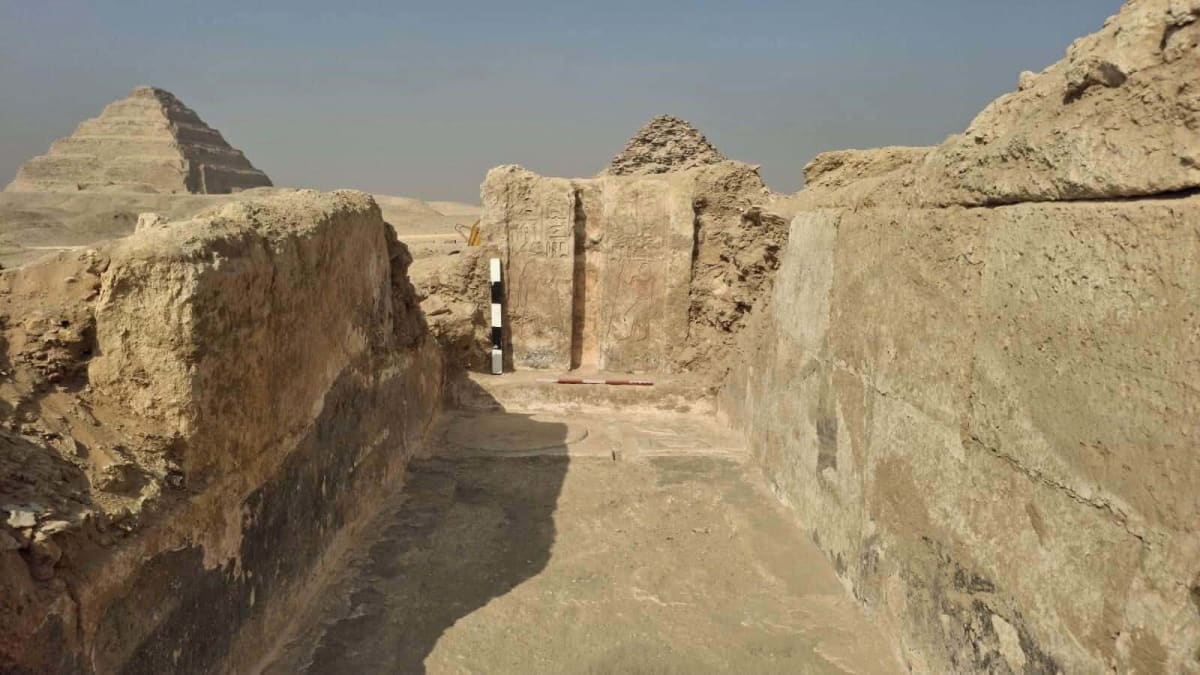
Inside the tomb, researchers found an offering table, a purification basin, and two false doors. These symbolic doors were believed to let the soul exit and enter the tomb freely, and their design dates them to around 4,350 years ago during the late fifth or early sixth dynasty.
The team also discovered over 100 shabtis, small figurines ancient Egyptians believed would serve as helpers in the afterlife. A wooden statue of a falcon, possibly representing the falcon-headed god Horus, was among the finds, along with remains of cartonnage, a plastered material used on mummies.
Why This Inspires
This discovery reminds us that history is made by real people doing real jobs, not just distant figures in textbooks. Sekhentio-Ptah wasn't just a keeper of secrets; he was a trusted administrator who helped run an empire during one of humanity's most creative periods.
The tomb's location in Saqqara, later famous for cat burials associated with the goddess Bastet, shows how sacred spaces evolved over thousands of years. Experts believe the tomb was reused for later burials, a common practice that connected generations across centuries.
Each discovery like this adds another piece to the puzzle of how ancient civilizations organized themselves and honored their dead. It's proof that curiosity about our shared past never gets old.
More Images

Based on reporting by Live Science
This story was written by BrightWire based on verified news reports.
Spread the positivity!
Share this good news with someone who needs it