Egypt Uses AI and Hackathons to Transform Tourism by 2030
Egypt is turning young coders into tourism innovators through nationwide hackathons that create apps for ancient sites. From Cairo to remote deserts, these tech competitions are building smart visitor tools while protecting 5,000-year-old treasures.
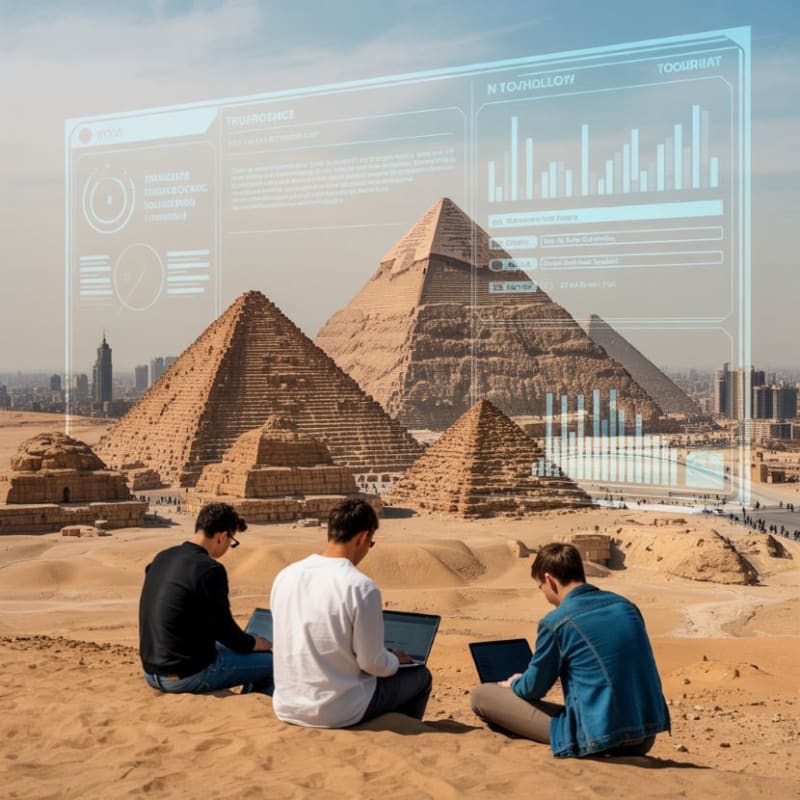
Egypt is proving that ancient pyramids and modern code can work together beautifully. Under its Vision 2030 initiative, the country is hosting government-backed hackathons where young developers build real apps to solve tourism challenges, from crowd management at the Valley of the Kings to desert navigation in remote regions.
The strategy is working. Egypt welcomed over 14 million international visitors in 2023, and authorities needed smart solutions to handle growing crowds without damaging irreplaceable heritage sites. Instead of building more infrastructure, they turned to technology.
In the New Valley Governorate, one of Egypt's least populated regions, students and entrepreneurs are creating working prototypes during intensive coding competitions. These aren't just concepts—developers build actual navigation apps for desert attractions, digital ticketing systems for local transport, and platforms connecting small tour operators to national networks.
The shift reflects Egypt's broader Digital Egypt initiative, which treats tourism as a dynamic, data-driven ecosystem rather than a static cultural asset. Artificial intelligence is entering the experience too, with developers creating predictive analytics for visitor flow, personalized itinerary builders, and augmented reality overlays for museum exhibits.
Cairo, Luxor, and Aswan are leading the charge. The Grand Egyptian Museum near the Giza Pyramids already features digital ticketing and virtual exhibition components. Next come AI-powered crowd forecasting during peak seasons and multilingual digital guides that help independent travelers explore confidently.
The Ripple Effect
The impact extends beyond better tourist experiences. Young Egyptians are gaining marketable tech skills while solving problems in their own communities. Small tour operators in remote areas can now compete with larger companies through digital booking platforms. Transportation between airports and heritage sites becomes smoother with real-time coordination apps.
Even mobility improvements matter more than visitors might realize. The friction travelers feel often happens between monuments, not at them—airport transfers, train journeys to Luxor, road connections to desert oases. Hackathon-backed solutions are creating integrated booking interfaces that connect rail, flights, and local transport with transparent pricing and real-time updates.
Egypt's approach offers a model for other heritage-rich nations facing similar challenges. Technology can scale quickly and adapt based on feedback in ways traditional infrastructure cannot. A well-designed app can protect ancient sites by directing visitors away from fragile areas while enhancing their understanding through augmented reality.
The transformation shows how innovation and preservation can support each other rather than compete. Egypt is building a travel-tech pipeline that serves both visitors seeking meaningful experiences and communities working to protect their heritage for future generations.
More Images

Based on reporting by Google News - Egypt Innovation
This story was written by BrightWire based on verified news reports.
Spread the positivity!
Share this good news with someone who needs it