EU Bans Destroying Unsold Clothes to Fight Waste
Starting this month, large fashion companies across the European Union can no longer throw away unsold clothing, shoes, and accessories. The groundbreaking ban targets the hundreds of thousands of tons of perfectly good apparel destroyed each year by fast fashion retailers.
The European Union just made history by banning something that's been happening behind closed doors for years: fashion companies destroying mountains of unsold clothes instead of finding them new homes.
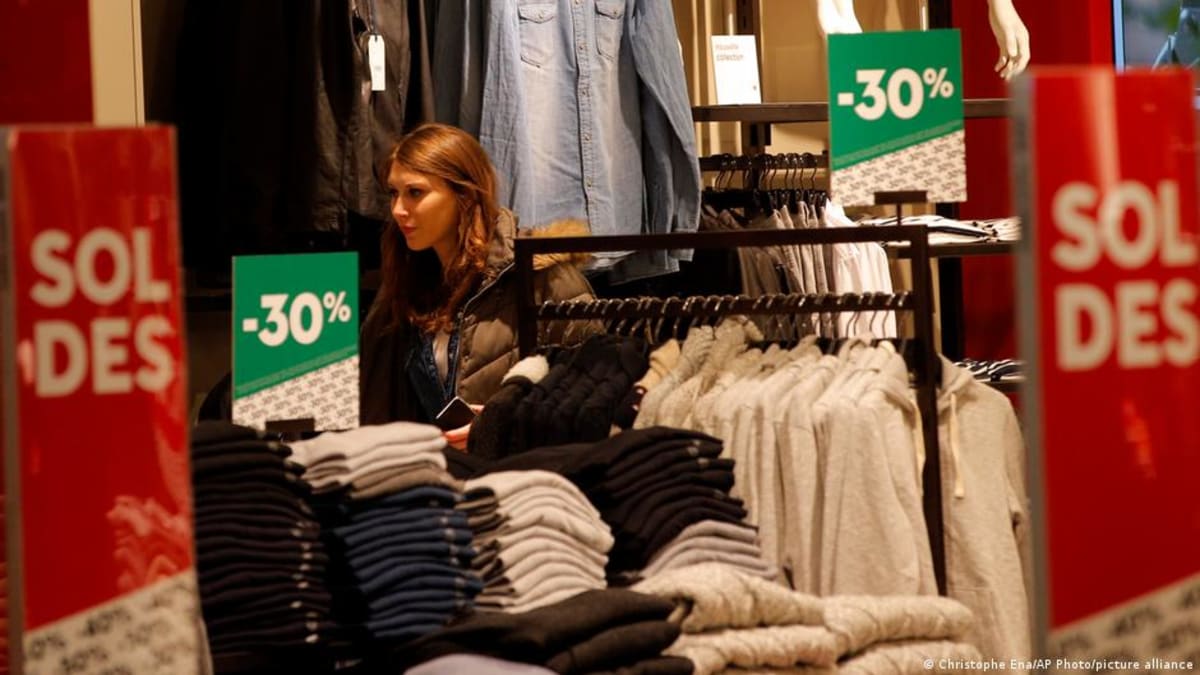
As of this month, large retailers with more than 250 employees and €50 million in annual sales can no longer toss out unsold clothing, accessories, and footwear. Instead, they'll need to discount them, donate them to charity, or find alternative markets to sell them.
The numbers behind this problem are staggering. According to the European Environment Agency, between 4% and 9% of unsold textile products get destroyed every single year across the EU's 27 member countries. One in five fashion items ordered online gets returned and never resold, adding up to hundreds of thousands of tons of waste annually.
For years, major fashion brands found it cheaper to burn or trash unsold inventory rather than store it or mark it down. That practice not only wasted perfectly good clothing but also pumped greenhouse gases into the atmosphere and squandered the water, energy, and raw materials used to make those garments in the first place.
Under the new rules, companies can only destroy items when they're unsafe, damaged, counterfeit, or rejected by charities. They'll also need to publish annual reports on what they've discarded and keep those records for five years, bringing transparency to an industry that's operated in the shadows.
The regulation represents a major shift toward what the EU calls a "circular economy," where products are designed to last and get reused, repaired, and recycled instead of thrown away. Medium-sized firms will join the program in 2030, expanding the ban's reach even further.
The Ripple Effect
This ban does more than just save clothing from landfills. Shoppers across Europe will see more discounted fashion hitting outlets, clearance markets, and second-hand stores, making quality clothing more affordable for everyone.
Charities will receive a steady stream of donations they can distribute to people in need or sell to fund their missions. The environment wins too, as fewer emissions come from incinerating clothes and less waste flows from the entire production chain.
The German Retail Federation acknowledges the challenge ahead but sees the bigger picture. While some items may be harder to rehome due to damaged packaging or logistics costs, the industry is being pushed to rethink overproduction from the start rather than treating disposal as the easy solution.
What started as a problem is becoming an opportunity to build a fashion industry that values every piece it creates.
More Images
Based on reporting by DW News
This story was written by BrightWire based on verified news reports.
Spread the positivity!
Share this good news with someone who needs it