Extinct Frogs Return to Australia With 'Frog Saunas
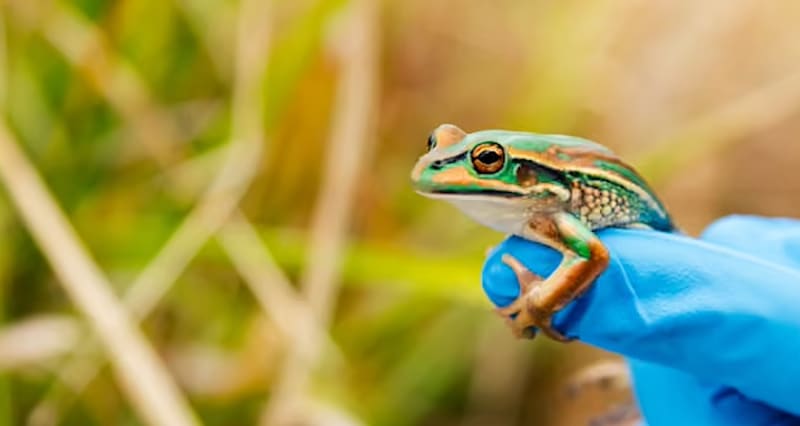
Green and golden bell frogs are hopping back into Australian wetlands after vanishing in 1981, thanks to scientists who built 180 heated shelters that protect them from a deadly fungus. Over 300 captive-bred frogs are getting a second chance at wild life around Canberra.
A species of frog that disappeared from Australia's capital region 40 years ago is making a comeback, and the secret weapon is surprisingly simple: piles of black bricks under plastic pyramids.
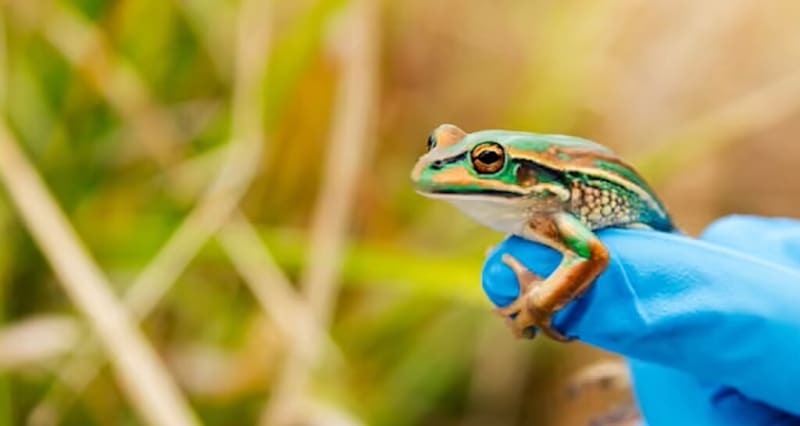
Scientists at the University of Canberra are releasing over 300 green and golden bell frogs into wetlands around the city. These stunning amphibians vanished from the Australian Capital Territory in 1981 after a devastating fungal disease swept through their habitat.
The culprit was chytrid fungus, a pathogen that has caused extinctions and population crashes worldwide. But researchers found the fungus has a weakness: it can't survive temperatures above 77 degrees Fahrenheit.
That discovery led to an ingenious solution. Scientists built 180 "frog saunas" around 15 ponds where the frogs will live. Each sauna is made from stacked black bricks covered with rigid plastic sheets that trap heat inside.
The bricks create perfect hiding spots for the frogs while keeping them toasty at around 88 degrees Fahrenheit. At that temperature, the frogs thrive while the deadly fungus dies off.
Associate Professor Simon Clulow says watching the frogs return to the wild felt like "watching your children move out of the house for the first time." He calls the reintroduction "quite incredible" given how long the species has been absent.
The captive-bred frogs also received immunity against the fungal disease before their release. Scientists are releasing them in groups of 15 into specially chosen ponds.
These aren't just any ponds. Researchers picked sites with slightly salty, warm water where the species has managed to survive in other parts of Australia. They've nicknamed these locations "frog spas" for their healing properties.
The Ripple Effect
Each female green and golden bell frog can lay up to 8,000 eggs in a single breeding season. While the captive-bred parents carry immunity to the fungus, their offspring won't inherit that protection. That's where the saunas become crucial for the next generation.
Scientists expect the population to grow rapidly with access to the heated shelters. The goal is to establish around 200 frogs at each of the 15 release sites, creating a sustainable wild population that can persist despite the presence of chytrid fungus.
This project represents a major breakthrough in protecting amphibians from a disease that has devastated frog populations globally. Scientists are finally getting a handle on how to help these vulnerable creatures survive and thrive.
The green and golden bell frogs are hopping toward a secure future in their ancestral home.
More Images
Based on reporting by Good News Network
This story was written by BrightWire based on verified news reports.
Spread the positivity!
Share this good news with someone who needs it