Extinct Galápagos Tortoise Returns Home After 180 Years
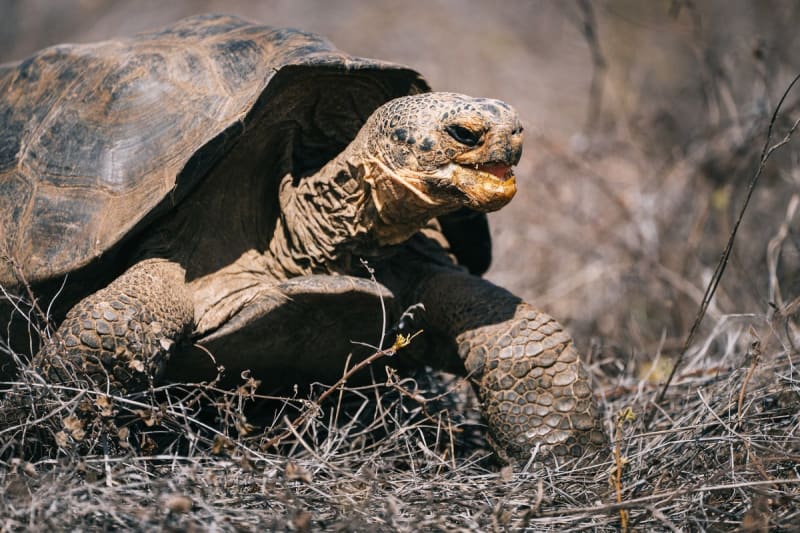
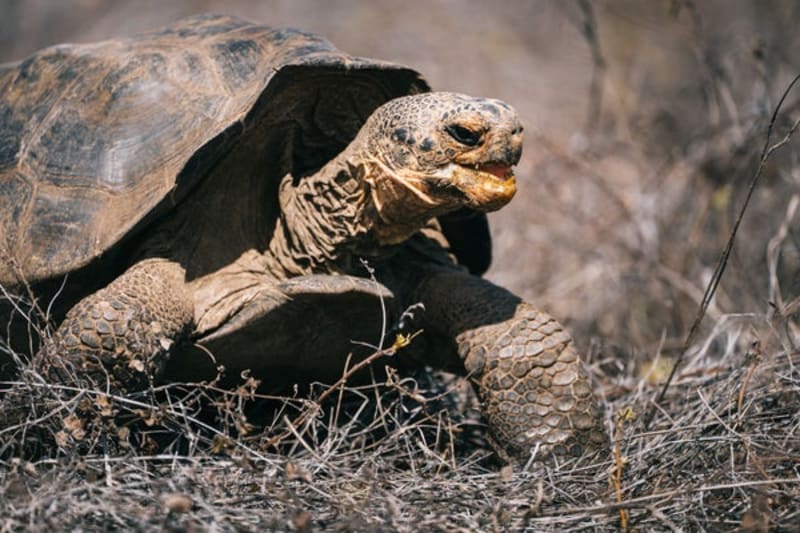
Giant tortoises once thought lost forever just returned to their Galápagos island home, marking the end of a 26-year conservation quest. The 158 animals released last week will help restore an entire ecosystem that's been missing its keystone species since the 1840s.
After 180 years of absence, giant tortoises are walking the beaches of Floreana Island again, and their return could restore an entire ecosystem.
The Floreana giant tortoise vanished in the 1840s, killed off by hungry sailors, pirates, and invasive species that destroyed their island home. Scientists declared them extinct and moved on.
But in 2000, researchers made a stunning discovery 70 miles away on Isabela Island. A population of tortoises with distinctive saddle-shaped shells looked remarkably similar to the lost Floreana species.
Genetic testing revealed the truth: these were hybrids descended from Floreana tortoises that had accidentally survived after being loaded onto ships as food. Their ancestors had made it to a different island and kept breeding.
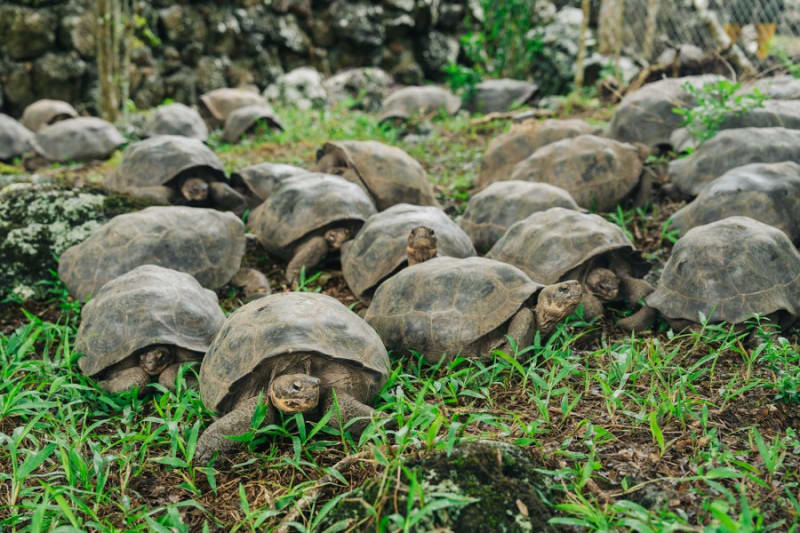
For the past 26 years, scientists at Galápagos Conservancy ran a careful breeding program to bring back tortoises with as much Floreana ancestry as possible. They paired adults based on genetic testing to maximize the offspring's connection to the original population.
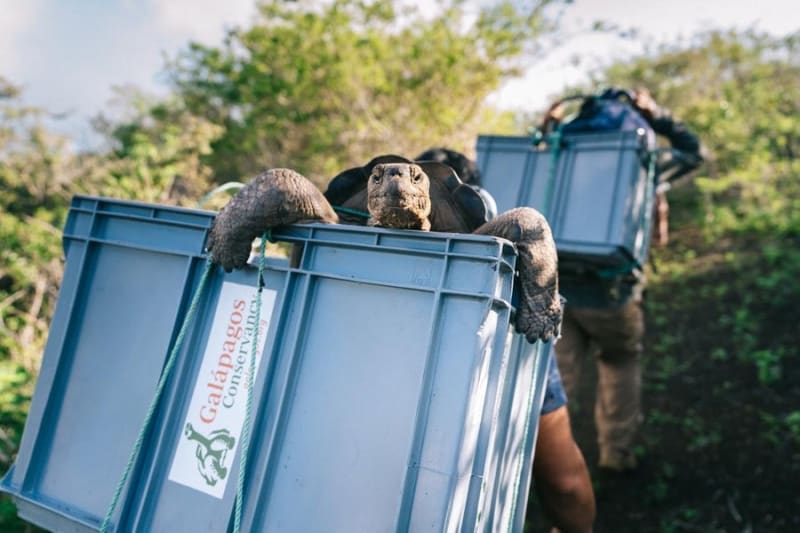
Last week, 158 of these specially bred tortoises were released onto Floreana Island. Rangers carried them in crates across the landscape to carefully chosen release sites where they could thrive.
"Watching the tortoises step onto Floreana and start exploring was incredibly moving," says James Gibbs, vice president of science and conservation for Galápagos Conservancy. "It felt like the end of a 26-year effort but at the same time, a beginning."
The Ripple Effect
The return of these gentle giants means more than just bringing back one species. Giant tortoises are ecosystem engineers that disperse seeds and help regenerate forests as they roam and eat.
Without them, Floreana's plant life has struggled for nearly two centuries. Now, scientists expect the island to gradually shift back toward its original ecological state as the tortoises do what comes naturally.
Similar success stories back up this hope. When Aldabra tortoises returned to Mauritius, native plants bounced back and invasive vegetation decreased. The habitat slowly transformed to resemble what it once was.
"Any time you can return an ecosystem engineer like giant tortoises to an environment where they once roamed, we expect good things to happen," says Rick Hudson, president emeritus of the Turtle Survival Alliance.
The tortoises will shape the island for generations, creating pathways through vegetation, spreading seeds across miles, and giving native plants the chance they've been waiting for since the 1840s.
What seemed permanently lost has found its way home, proving that with patience and dedication, we can sometimes turn back the clock on extinction.
More Images

Based on reporting by Scientific American
This story was written by BrightWire based on verified news reports.
Spread the positivity!
Share this good news with someone who needs it