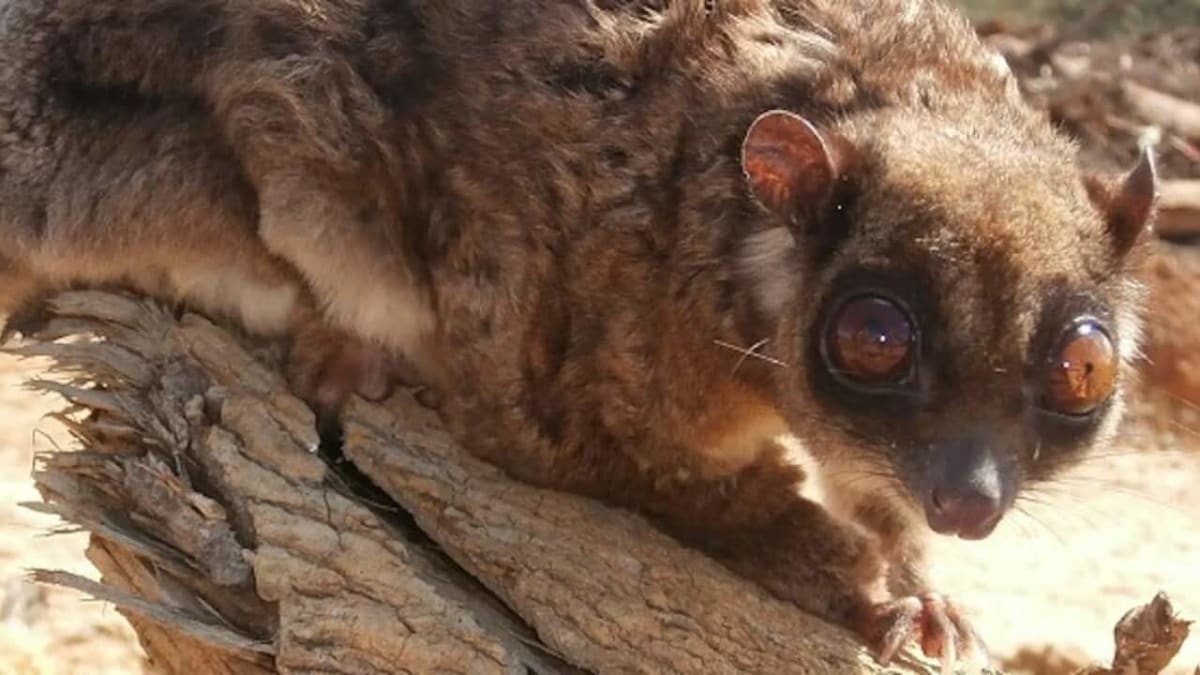
Extinct' Gliding Possum Found Alive After 6,000 Years
A small gliding possum thought extinct for 6,000 years was discovered alive in Papua's rainforests, earning its own genus in a breakthrough so rare it happens only a few times per year. Indigenous communities knew about "Tous" all along.
Scientists just confirmed one of the rarest discoveries in mammalogy: a furry, gliding possum that vanished from fossil records 6,000 years ago is alive and well in Indonesian Papua.
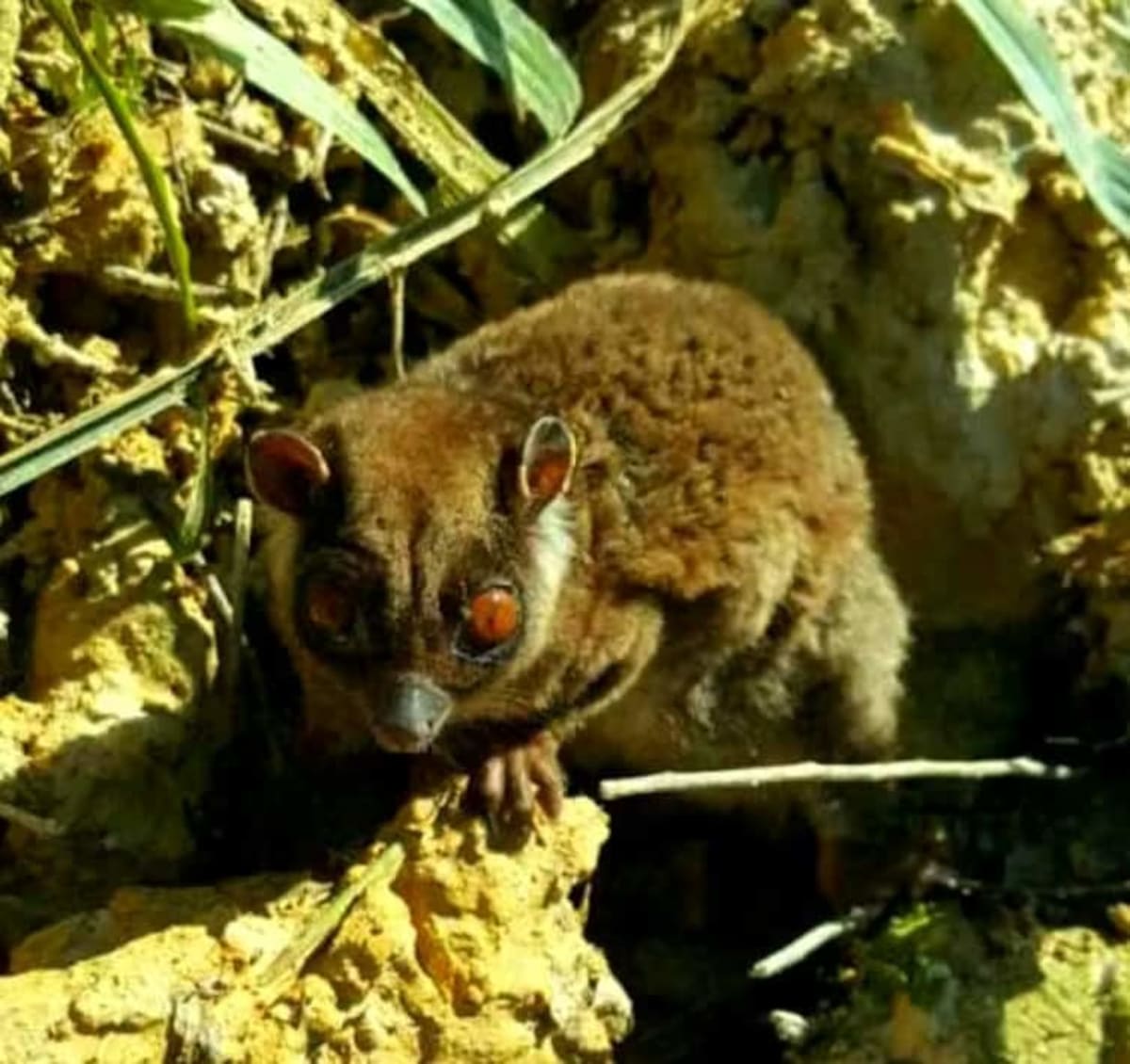
The story started with a single photograph. In 2015, a plantation worker spotted an unfamiliar creature with large eyes, a furry body, and a distinctive skin flap for gliding between trees. He was part of a citizen science project documenting wildlife, and his photos captured something remarkable.
The animal looked nothing like known species from New Guinea. When researchers examined the images, they realized it matched fossils from archaeological sites across Papua and Papua New Guinea. Scientists had assumed this small possum went extinct millennia ago.
But here was proof it survived. The discovery represents what scientists call a "Lazarus species," an organism that disappears from fossil records only to reappear alive. The most famous example is the Coelacanth, a fish believed extinct for 66 million years until fishermen caught one off South Africa in 1938.
What makes this discovery even more extraordinary is that the possum earned an entirely new genus. Researchers named it Tous, based on local vernacular used by Indigenous communities. Creating a new genus happens only a few times per year across all mammals worldwide. There are just 1,300 living mammal genera on Earth.
The team analyzed fossil teeth and compared them with the photographs. Mammal teeth are crucial for distinguishing species because their size and shape are so distinctive. Everything matched.
Indigenous landowners provided the final confirmation. They've always known about Tous, recognizing it as distinct from other gliders in their forests. Some tribal groups consider the animal sacred. Local elders call it "Tous wansai" and shared that it nests in tree hollows in the tallest rainforest trees.
Why This Inspires
This discovery shows how traditional knowledge and modern science can work together to reveal nature's secrets. Indigenous communities preserved awareness of Tous for thousands of years while the scientific world believed it extinct.
The find also highlights how much we still don't know about our planet. Mammals are among the most studied organisms on Earth, yet a completely new genus was hiding in plain sight. If a distinctive gliding possum could go unrecognized by science for so long, what other species might be waiting to surprise us?
The research team kept Tous's exact location secret to protect the vulnerable population. With more than one in four mammal species now classified as threatened, discovering a survivor from an ancient lineage offers genuine hope. Some species can persist against the odds, especially when local communities value and protect them.
Tous represents millions of years of evolutionary history, an ancient branch of the possum family tree that once stretched from Australia to New Guinea and now survives in a small corner of Papuan rainforest.
More Images

Based on reporting by SBS Australia
This story was written by BrightWire based on verified news reports.
Spread the positivity!
Share this good news with someone who needs it