Famous 'Oldest Octopus' Fossil Was Actually Something Else
A fossil crowned as Earth's oldest octopus for 25 years turned out to be a completely different creature. Scientists using powerful new technology just rewrote 300 million years of history.
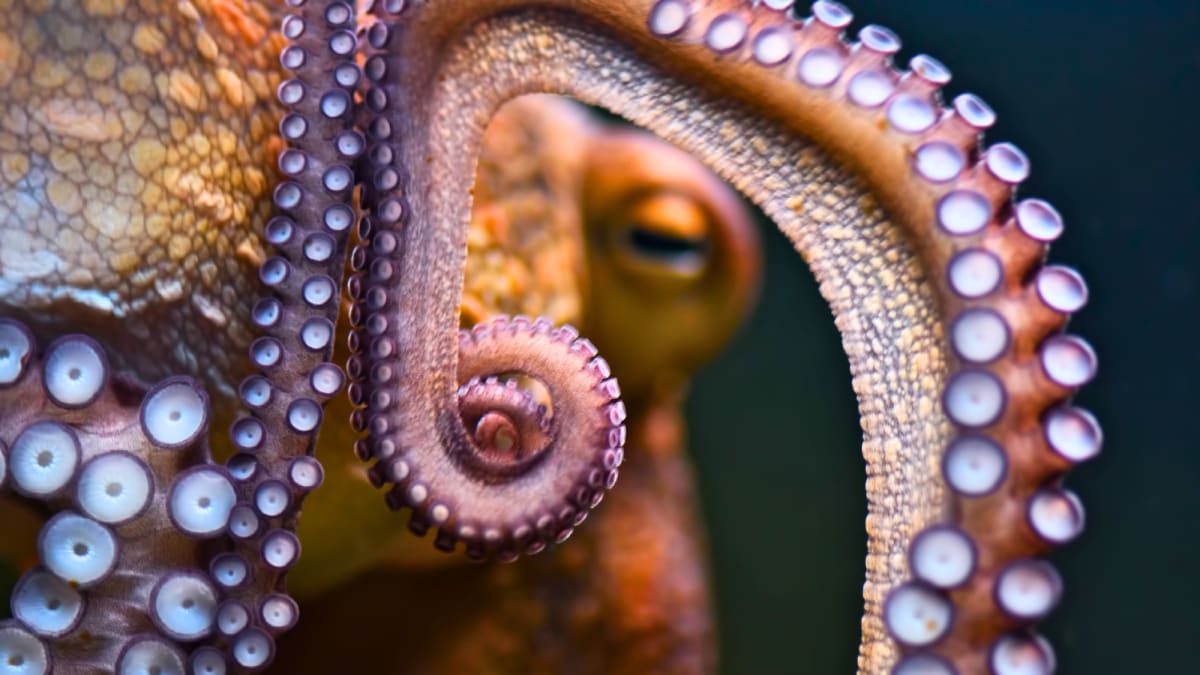
For a quarter century, Pohlsepia mazonensis held the crown as the world's oldest known octopus, complete with a Guinness World Record and citations in countless research papers. Now scientists have discovered it was never an octopus at all.
The 300-million-year-old fossil was actually a nautiloid, a shelled sea creature more closely related to modern nautiluses than to anything with eight arms. The mix-up happened because the ancient animal had been decomposing for weeks before mud preserved it, making its body look convincingly octopus-like.
When paleontologists first examined the squashed fossil from Illinois in 2000, they saw what appeared to be eight limbs, two eyes, and an ink sac. Given the technology available then, calling it an octopus made perfect sense.
But decomposition does strange things to bodies. What looked like octopus features were actually the remains of something entirely different, waiting for better tools to reveal the truth.
Thomas Clements and his team at the University of Reading cracked the case using synchrotron imaging, a technique that fires X-rays billions of times brighter than hospital scanners through dense objects. Hidden inside the fossil, they found 11 tiny tooth-like structures lined up in a row.
Those structures form a radula, a ribbon-like feeding tool found in mollusks. Octopuses typically have seven or nine elements per row, while nautiloids have 13. At 11 elements with a nautiloid shape, Pohlsepia's identity shifted completely.
The supposed ink sac also disappeared under scrutiny. No pigment meant no ink, another strike against the octopus theory.
The fossil even turned out to be a duplicate. Researchers matched it to Paleocadmus pohli, a nautiloid already identified from the same site, meaning Pohlsepia was just a badly decomposed version of something science had already named correctly.
Why This Inspires
This discovery shows science working exactly as it should. The 2000 researchers did their best with available tools, and the 2025 team had particle accelerators. Neither group failed; they just had different resources.
The correction rewrites two timelines at once. Nautiloid soft tissue preservation now extends back 220 million years earlier than scientists thought. Meanwhile, the earliest confirmed octopus evidence jumps forward by roughly 150 million years.
Even celebrated answers with world records deserve fresh looks. Sometimes the truth just needs better technology to emerge.
More Images


Based on reporting by Google: scientific discovery
This story was written by BrightWire based on verified news reports.
Spread the positivity!
Share this good news with someone who needs it