Fiber Makes Healing Parasites Work, Scientists Discover
Scientists found that beneficial intestinal worms can only fight inflammation when you eat enough fiber. Without it, the worms hibernate and lose their healing powers.
Scientists just solved a puzzle that could change how we think about gut health and eating fiber.
Researchers at the Biology Centre of the Czech Academy of Sciences discovered why treatments using beneficial intestinal worms work brilliantly for some people but fail for others. The answer surprised them: it all comes down to fiber.
For most of human history, intestinal parasites lived peacefully in our digestive systems. As hygiene and medicine improved in developed countries, these worms disappeared. During that same time, autoimmune disorders and inflammatory bowel diseases skyrocketed.
About 20 years ago, scientists wondered if certain intestinal worms could help treat inflammatory conditions. The therapy showed promise, but results were wildly inconsistent.
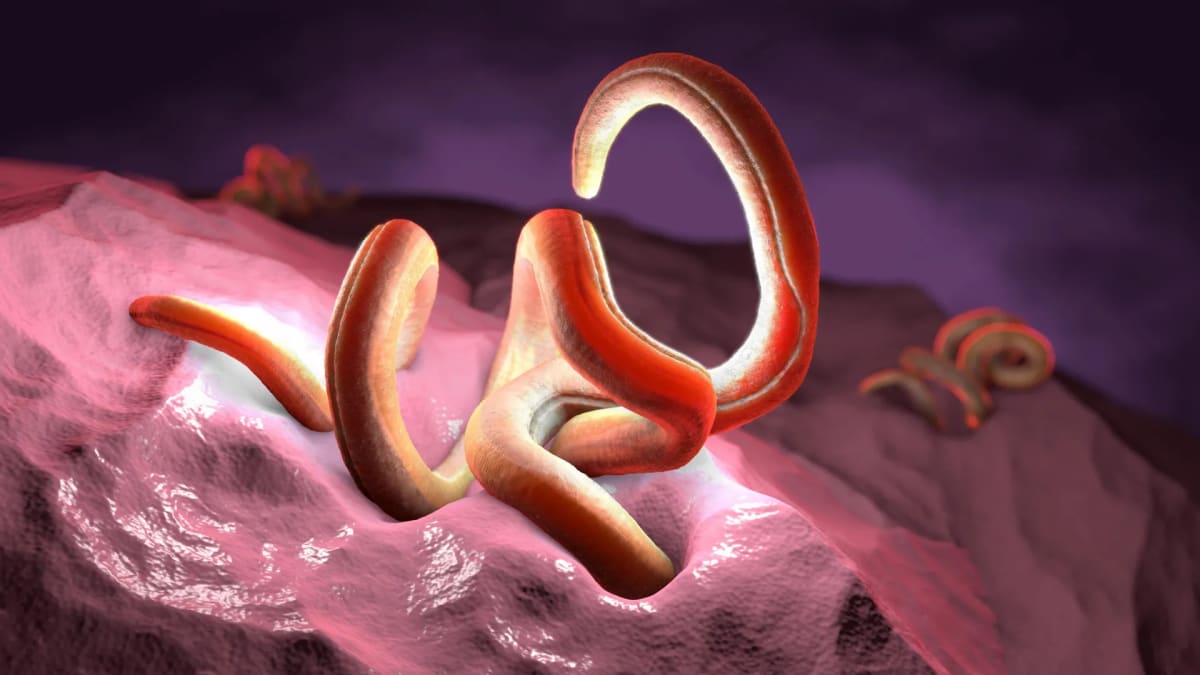
Now we know why. Researcher Kateřina Jirků and her team studied how diet affects the rat tapeworm Hymenolepis diminuta, a harmless species known for calming inflammation. What they found was dramatic.
When hosts ate fiber-rich diets, the worms thrived and triggered powerful anti-inflammatory responses. When fiber was scarce, the worms shrank to a fraction of their size, entered a hibernation-like state, and stopped helping entirely. They never reached maturity and couldn't reproduce.
The researchers also discovered that fiber transformed the entire gut environment. Fiber-rich diets encouraged healthy bacteria to flourish. Western-style diets reduced microbial diversity and allowed harmful bacteria to take over.
These changes affected more than just the worms. The host's immune system responded differently depending on fiber intake.
The Ripple Effect
This discovery connects dots across multiple health challenges. Health organizations recommend adults eat 25 to 30 grams of fiber daily, but most people in Western countries fall short. Traditional populations consumed between 80 and 120 grams daily.
Previous research shows that low fiber intake weakens the gut microbiome, which influences far more than digestion. A healthy microbiome affects immune function, brain health, and mental wellbeing. Imbalances have been linked to allergies, depression, anxiety, and even Alzheimer's disease.
The study reveals how deeply diet shapes the entire gut ecosystem. From parasites to microbes to immune responses, everything connects. When one element gets the nutrition it needs, the whole system benefits.
This breakthrough could make helminth therapy reliable and help millions of people struggling with inflammatory conditions finally find relief.
Based on reporting by Health Daily
This story was written by BrightWire based on verified news reports.
Spread the positivity!
Share this good news with someone who needs it