First Bear Crosses Washington Wildlife Bridge After 8 Years
A black bear finally used Washington's I-90 wildlife crossing in June, eight years after the bridge opened. The moment marks a breakthrough for a species known to avoid man-made structures.
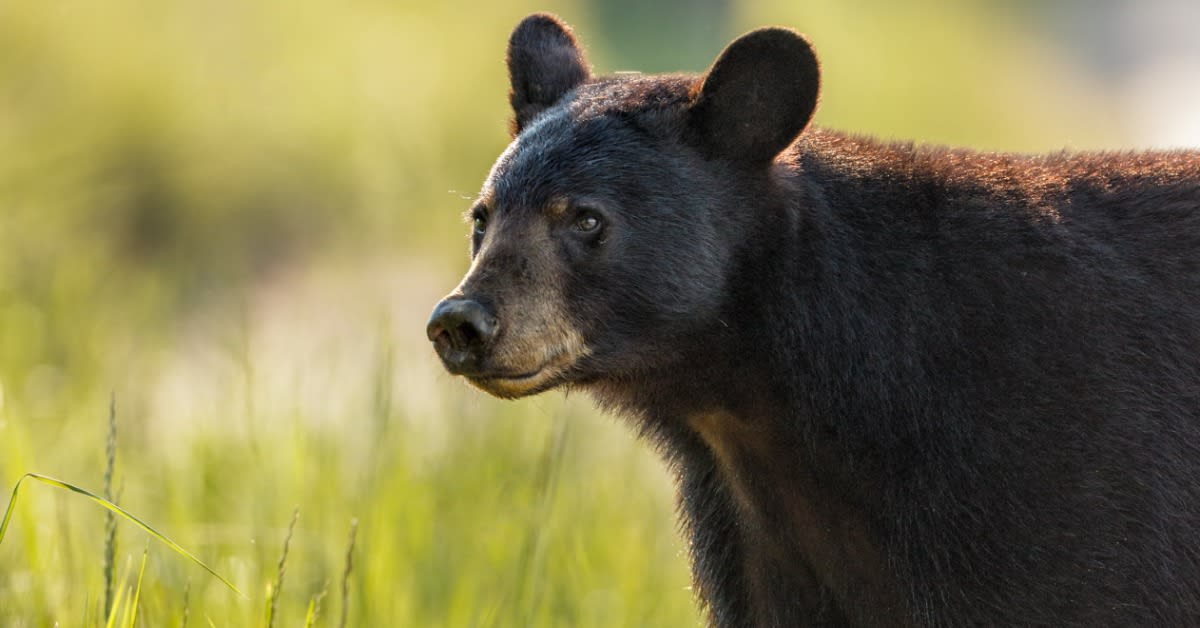
After eight years of watching thousands of animals safely cross a Washington highway bridge, wildlife officials finally spotted the one species they'd been waiting for: a black bear.
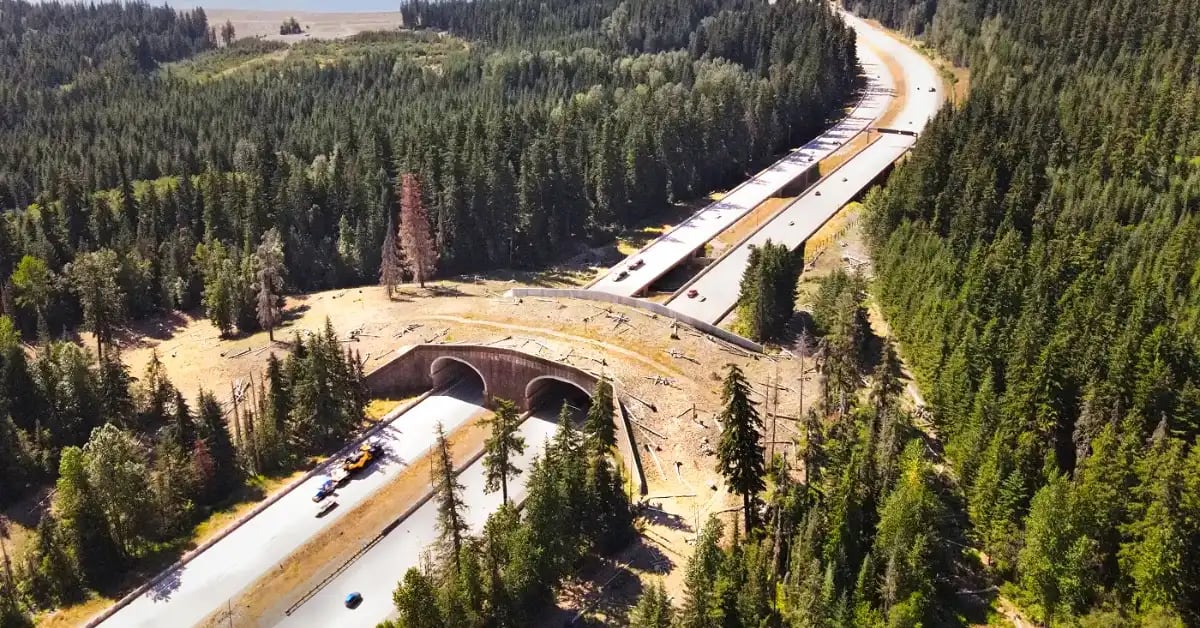
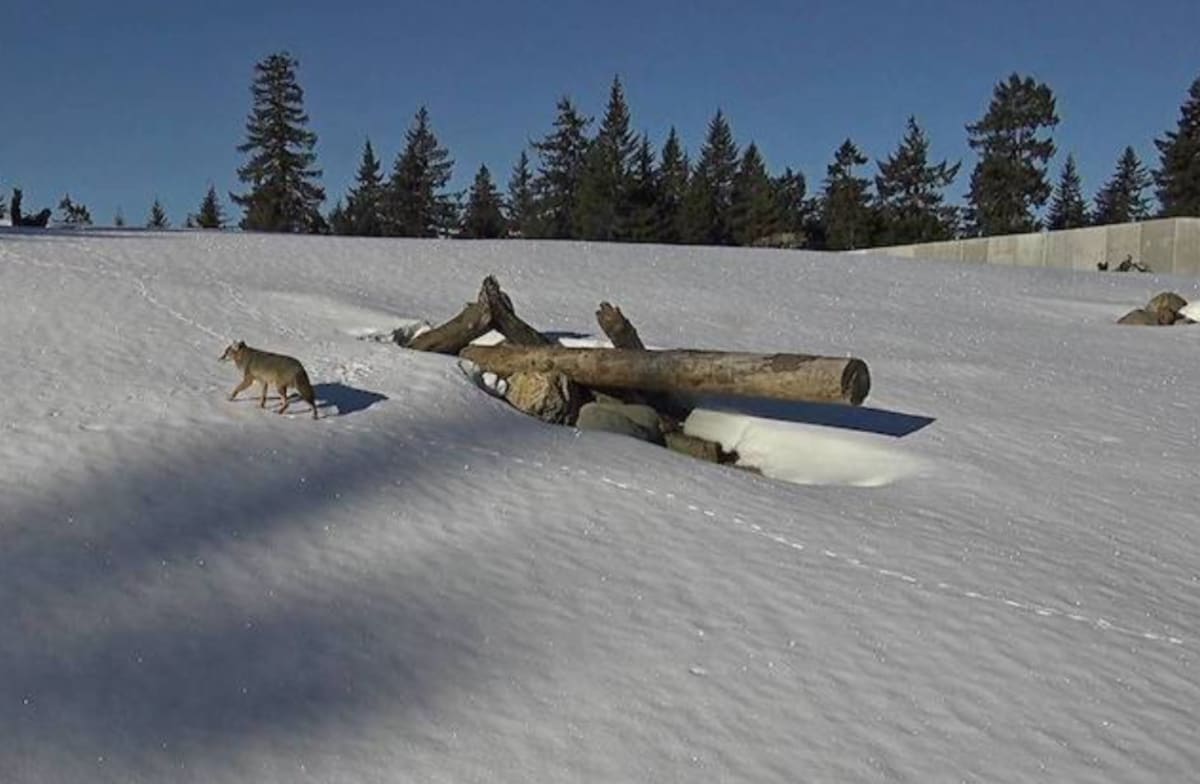
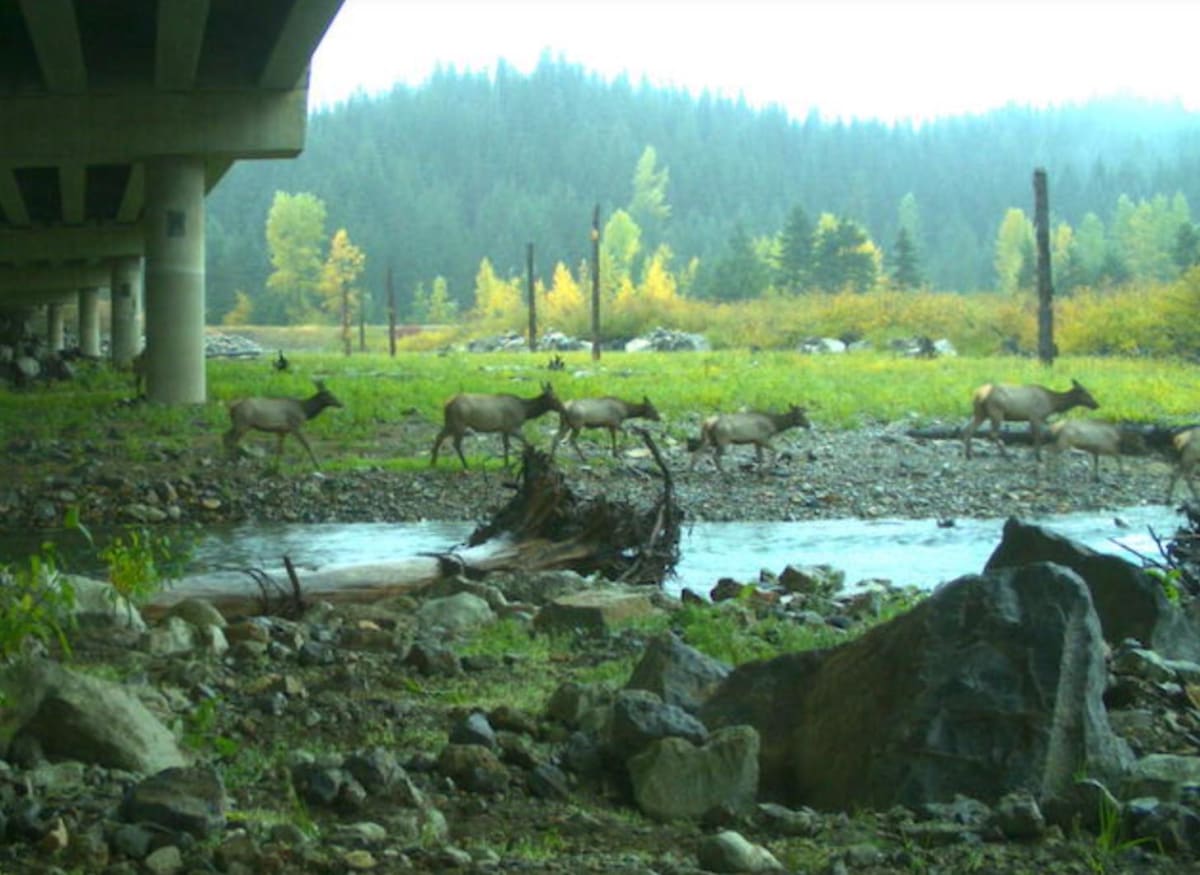
The I-90 Snoqualmie Pass wildlife crossing opened in 2019 to help elk, deer, coyotes, and other animals navigate the six-lane highway cutting through their migration corridor in the Cascade Mountains. Animals started using it immediately, with more than 9,000 crossings recorded by June 2024.
But black bears stayed away. Unlike other animals, bears view bridges and tunnels with extreme caution, researchers say. They typically cross busy roads only at night or avoid them completely, assessing the risk as too high.
That changed on June 28 when trail cameras captured a black bear bounding confidently across the bridge, mountains rising behind it. The Washington State Department of Transportation shared the exciting footage on social media, celebrating their first bear visitor.
The breakthrough didn't surprise researchers familiar with similar projects. Wildlife crossings in Banff National Park showed the same pattern: bears take several years to warm up to these structures, but eventually start using them once they feel safe.
The stakes are higher than just one cautious bear. More than one million vehicles crash into large mammals annually across the United States. In California alone, over 557 black bears died on roads during just one five-year period.
The Ripple Effect
Beyond preventing collisions, these crossings protect entire ecosystems. When highways block migration routes, animals get cut off from food and water sources they need to survive. Separated populations can suffer from inbreeding, especially devastating for species already in decline.
Black bears play a crucial role as "forest gardeners." They spread berry seeds throughout their habitat and control deer populations through predation. Keeping bear populations healthy and connected helps entire forest ecosystems thrive.
The I-90 crossing is part of a larger network. Washington has now recorded 38,321 wildlife crossings across multiple overpass and underpass structures along the highway corridor. Each crossing represents an animal that made it safely to food, water, or mates on the other side.
Officials hope this first bear sighting signals more to come, as word spreads through the bear population that the bridge offers safe passage. After all, if one bear can be brave enough to cross, others may follow.
More Images

Based on reporting by Good Good Good
This story was written by BrightWire based on verified news reports.
Spread the positivity!
Share this good news with someone who needs it