First Private Rocket Launched From Texas Ranch in 1982
On September 9, 1982, a 36-foot rocket built from spare parts lifted off from a Texas cattle ranch and made history as the first privately funded spacecraft to reach the edge of space. That pioneering launch paved the way for today's booming commercial space industry.
Forty-two years ago, a scrappy team of entrepreneurs and a legendary astronaut changed spaceflight forever by launching a rocket from a cattle ranch on a Texas island.
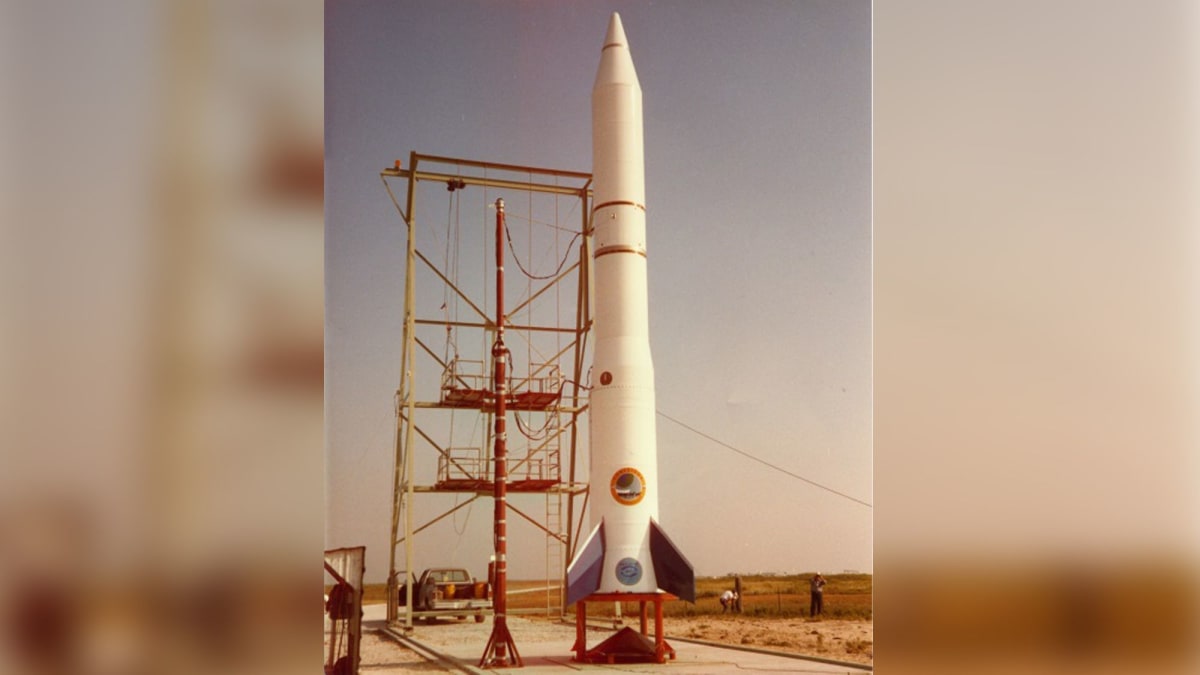
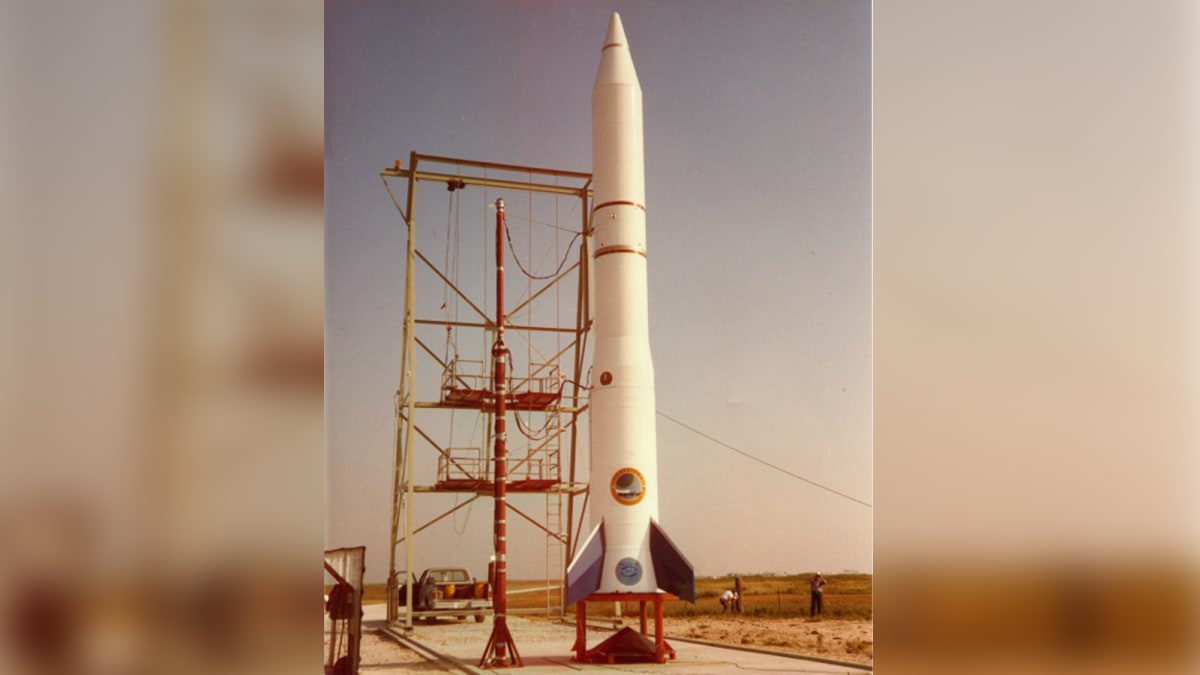
The Conestoga 1 rocket lifted off on September 9, 1982, from Matagorda Island, carrying nothing but 40 gallons of water. The water wasn't for science; it was ejected at peak altitude so ground crews could watch it sparkle against the sky as a visual marker.
The 36-foot rocket, built from spare parts of other spacecraft, flew for 10 and a half minutes and reached 195 miles above Earth. It became the first privately funded rocket to reach space, opening a door that had been tightly controlled by government agencies like NASA.
Space Services Inc. of America built the rocket under the leadership of Deke Slayton, one of NASA's original Mercury 7 astronauts. The Houston-based team raised $6 million from 57 supporters and bought an old Minuteman missile second stage from NASA for $365,000 to make their dream real.
The company had failed spectacularly just a year earlier when a different rocket exploded on the launch pad. But they didn't give up, and their persistence created something remarkable.
The rocket's name came from the covered wagons that carried American settlers westward in the 1800s. That symbolism proved prophetic, as Conestoga 1 truly did open a new frontier.
The Ripple Effect
Today, private space launches happen hundreds of times each year, but in 1982, this was revolutionary thinking. SpaceX alone now launches more rockets annually than most countries, and companies like Blue Origin and Virgin Galactic routinely send private citizens to space.
The launch site on Matagorda Island sits just 170 miles north of where SpaceX's massive Starship now launches from Starbase, Texas. That geographical connection tells a bigger story about how Texas became a hub for commercial spaceflight.
Space Services Inc. launched one more suborbital rocket in 1989 before attempting a larger mission in 1995 that failed. But the company's legacy lives on through its subsidiary Celestis, which now arranges memorial spaceflights.
The real inheritance of that September day is the thriving commercial space industry that seemed impossible four decades ago, now making space accessible in ways those 57 original supporters could barely imagine.
More Images

Based on reporting by Space.com
This story was written by BrightWire based on verified news reports.
Spread the positivity!
Share this good news with someone who needs it