Real Exoplanets Are Stranger Than Star Trek Imagined
Sixty years after Star Trek introduced audiences to alien worlds, astronomers have discovered over 6,000 real planets that are even more bizarre than fiction. From iron rain to rogue planets wandering through space, reality has exceeded the wildest 1960s imagination.
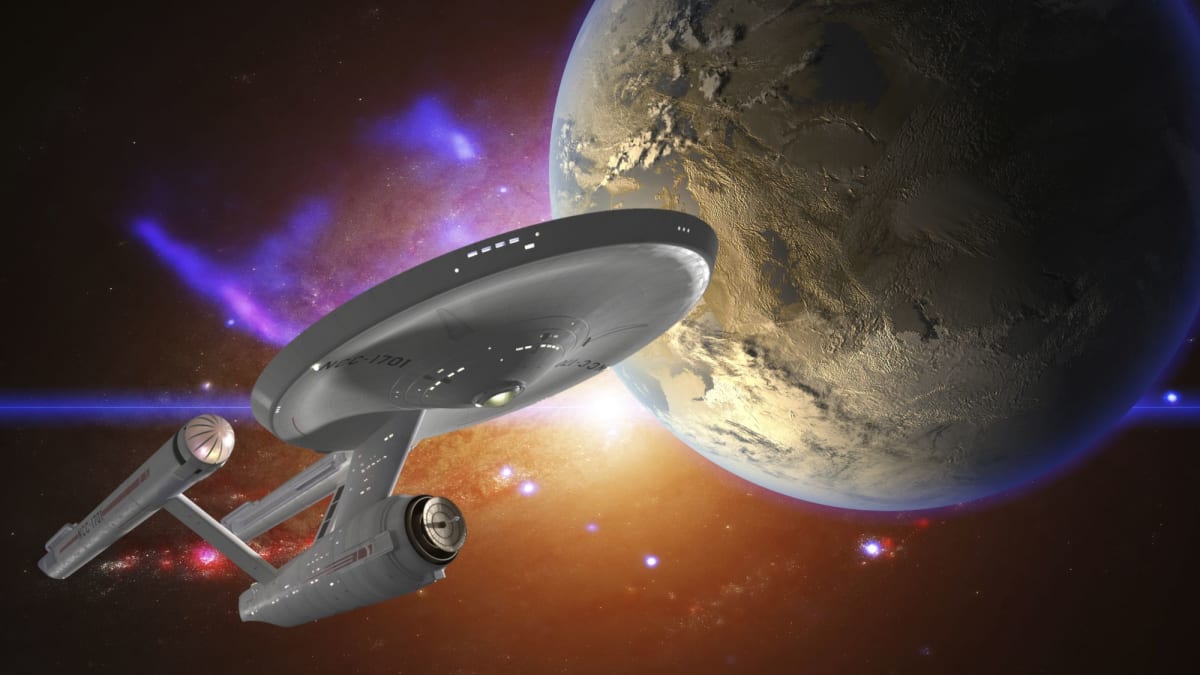
When Star Trek first aired on September 8, 1966, not a single planet beyond our solar system had been discovered. Yet the show confidently presented a galaxy filled with desert worlds, ocean planets, and binary sunsets that would captivate millions.
Fast forward six decades, and astronomers have confirmed more than 6,000 exoplanets. The real surprise? Nature created worlds far stranger than science fiction writers dared to imagine.
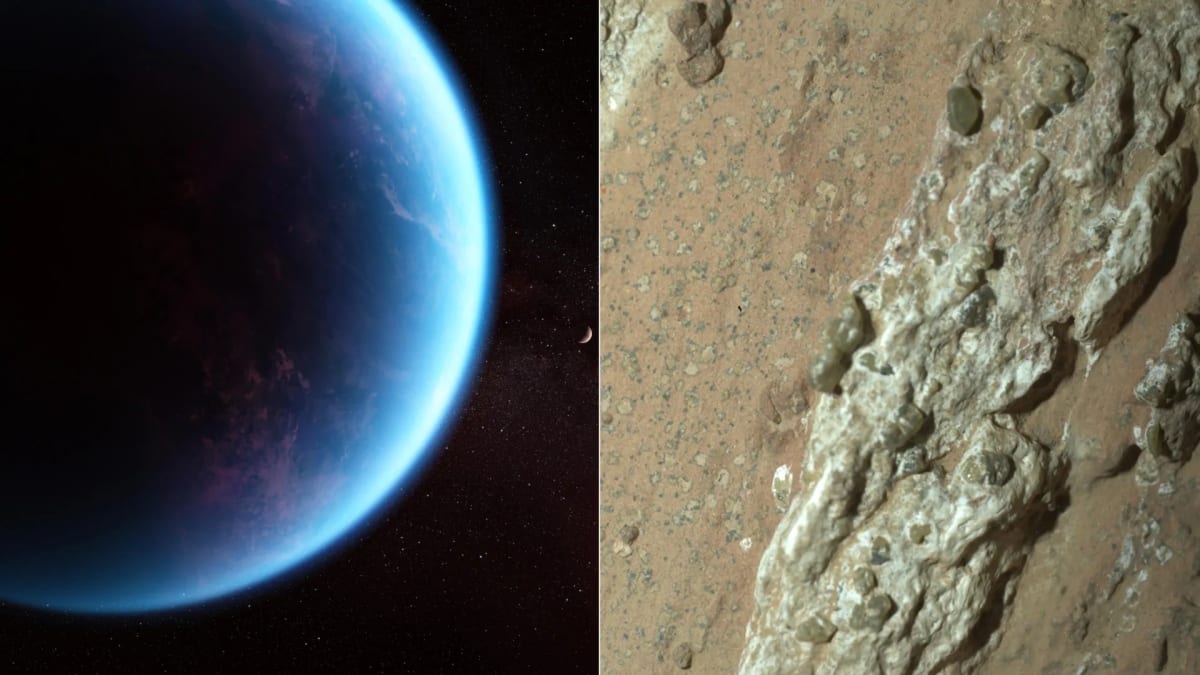
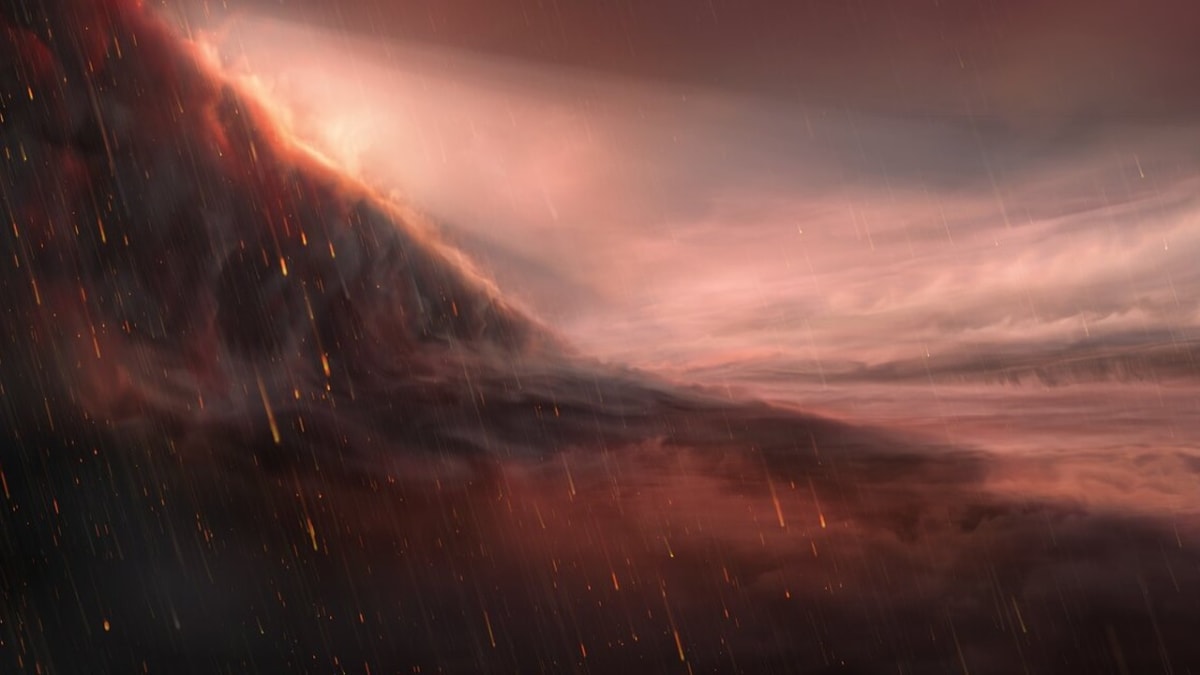
Take WASP-76 b, a planet 640 light years away where iron vaporizes on the dayside and likely rains down as liquid metal on the cooler nightside. Or KELT-9 b, where temperatures are so extreme that molecules simply tear apart in the atmosphere.
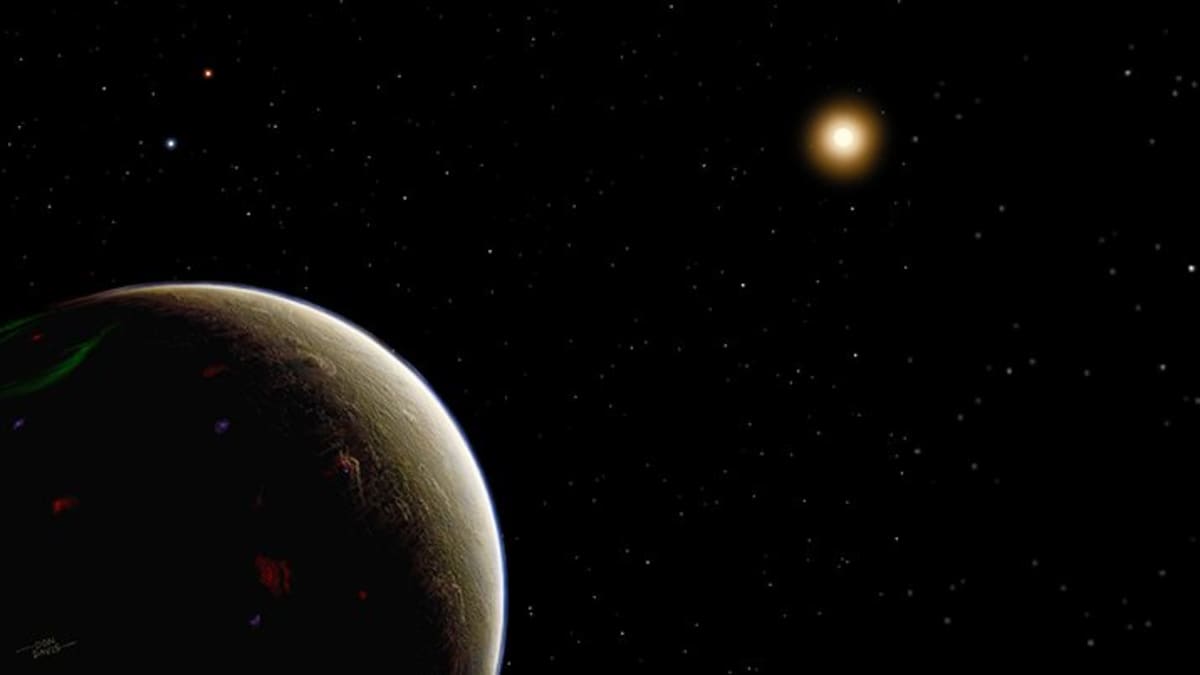
Star Trek gave us Vulcan, a hot rocky planet that fans will recognize as Spock's birthplace. While astronomers briefly thought they'd found a real planet around the star 40 Eridani A in 2018, later analysis showed it was a false alarm caused by stellar activity.
But genuine rocky planets do exist, many orbiting so close to their stars they complete a full year in less than an Earth day. Some have molten surfaces or atmospheres poisoned with vaporized rock, making fictional Vulcan seem downright comfortable.
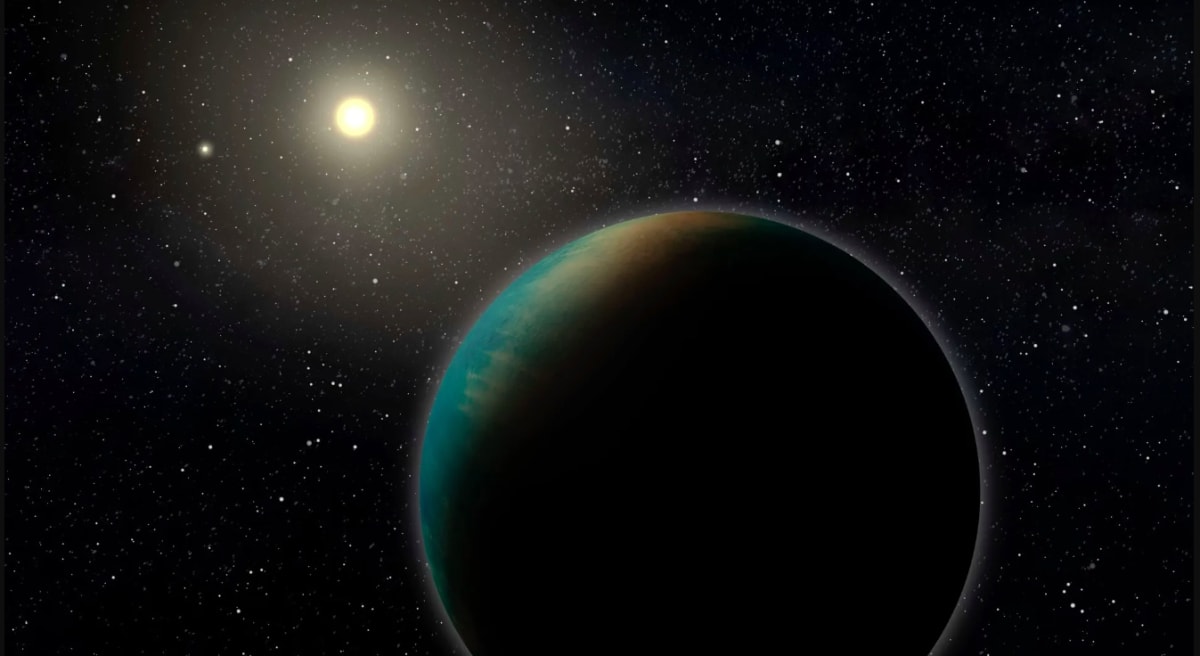
The show also imagined water worlds like The Waters from Voyager. Today, candidates like TOI-1452 b, a super-Earth orbiting a red dwarf star, could contain far more water than Earth, though not necessarily in ways that would support life as we know it.
Star Trek absolutely nailed one prediction: planets orbiting binary stars. When the show depicted Risa under twin suns, astronomers had zero evidence such systems could exist. In 2011, Kepler-16 b became the first confirmed circumbinary planet, proving those double sunsets were possible after all.
Why This Inspires
The greatest scientific accuracy in Star Trek wasn't any specific planet description. Instead, the show beautifully predicted we'd discover a galaxy where planets are abundant, gorgeously varied, and found around all kinds of stars.
The franchise showed us that worlds worth exploring don't need to look like Earth. Today's discoveries of rogue planets wandering through space without stars, or 55 Cancri e with its possible magma ocean, prove that writers who thought big in 1966 still thought too small.
Reality has stared at the science fiction rulebook and ripped it to shreds, creating combinations of temperature, gravity, and chemistry that push the boundaries of imagination.
Six decades after Star Trek's premiere, we're living in the future those writers envisioned, one strange new world at a time.
More Images
Based on reporting by Space.com
This story was written by BrightWire based on verified news reports.
Spread the positivity!
Share this good news with someone who needs it