NASA Telescope Could Discover 100,000 New Planets
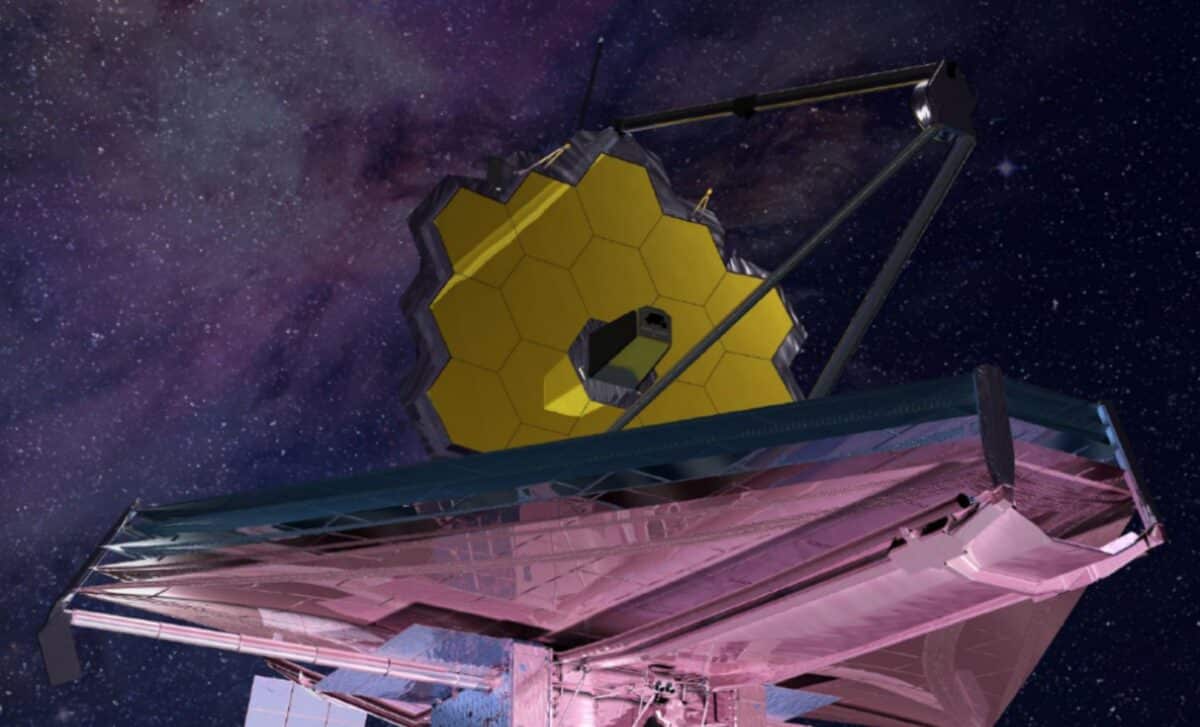
NASA's newest space telescope just launched and could find more planets in a few years than humanity has discovered in all of history. The Roman Space Telescope is designed to reveal entire worlds we never knew existed.
NASA's Nancy Grace Roman Space Telescope launched aboard a SpaceX Falcon Heavy on August 30, 2026, beginning a mission that could completely transform how we understand our place in the universe. The spacecraft is now traveling toward its operating location roughly 1 million miles from Earth.
The numbers sound almost impossible. NASA expects Roman to discover around 100,000 new planets beyond our solar system while mapping enormous portions of the Milky Way and observing billions of galaxies.
To put that in perspective, astronomers have confirmed just over 6,300 planets so far. Roman could add 100,000 more in just a few years.
The telescope is named after Nancy Grace Roman, NASA's first chief astronomer and one of the key figures who made the Hubble Space Telescope possible. But Roman isn't just another Hubble.
Roman's superpower is its field of view. It can see an area of sky at least 100 times larger than Hubble's view, meaning it can survey vast regions of space much more efficiently.
Think of it this way: Hubble is like using a microscope to study individual cells, while Roman is like photographing an entire forest to see patterns across the landscape. Both are valuable, but they answer different questions.
Roman will find planets using two clever techniques. The first is watching for transits, when a planet passes in front of its star and blocks a tiny bit of light. The second is gravitational microlensing, where a planet's gravity temporarily magnifies the light from a distant star.
That second technique is particularly exciting because it can find planets that other methods miss. Microlensing can detect planets far from their stars, planets in the crowded center of our galaxy, and even rogue planets drifting through space without any star at all.
Yes, planets without suns. NASA research suggests Roman could discover hundreds of Earth-sized rogue planets wandering alone through the Milky Way.
The Ripple Effect
Roman's discoveries will do more than just add numbers to our planet catalog. Every new world helps scientists understand how planetary systems form and evolve.
Finding planets in the crowded galactic center will reveal whether planet formation happens differently in those dense stellar environments. Discovering rogue planets will tell us whether getting ejected from a solar system is rare or surprisingly common.
Each detection adds another piece to the puzzle of how common life-friendly planets might be in our galaxy. Roman won't find aliens, but it will help us understand where to look.
The telescope will spend about three months reaching its destination and completing tests before beginning its main scientific work. Then the real discoveries begin.
Humanity is about to learn we live in a universe even more populated with worlds than we imagined.
Based on reporting by Google: NASA discovery
This story was written by BrightWire based on verified news reports.
Spread the positivity!
Share this good news with someone who needs it