Flooded Potato Farm Now Sanctuary for 108 Bird Species
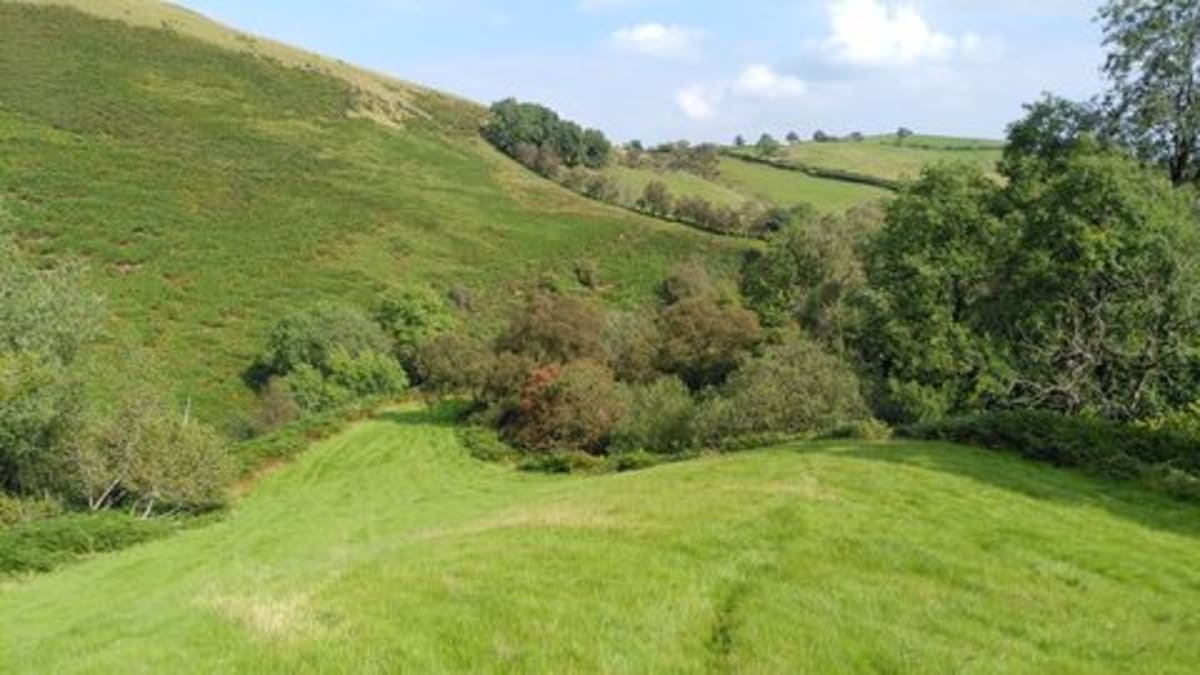
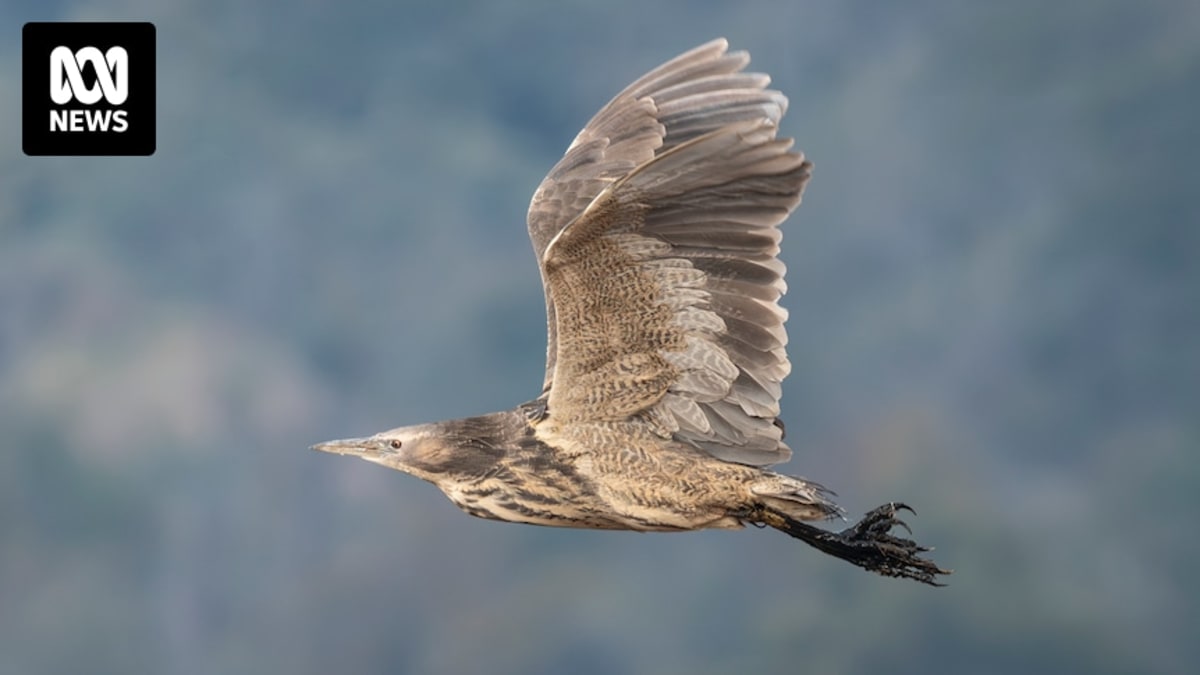
A former potato farm in Western Australia has been transformed into a thriving wetland sanctuary that's become home to 108 bird species, including the endangered Australasian bittern. The $700,000 project reversed a century of agricultural drainage to recreate the natural habitat that once defined the region.
Where potatoes once grew in neat rows, rare birds now wade through shallow waters and nest among reeds. The Eungedup Wetlands near Denmark, Western Australia, opened its gates to nature in 2023 when environmentalists bought the 104-hectare potato farm and deliberately flooded it.
The ambitious plan started with repeated sightings of something special. The elusive Australasian bittern, an endangered bird, kept appearing in the area in the early 2020s. The Wilson Inlet Catchment Committee saw an opportunity to bring back what had been lost.
Between Albany and Denmark, wetlands once covered the landscape. Farmers drained most of them in the early 1900s to plant crops. Now, those same drainage systems are being used in reverse to control water levels and create perfect conditions for threatened birds.
"It has 108 species that we've identified so far," said Shaun Ossinger, the group's spokesman. The sanctuary hosts everything from migratory waders flying down from Siberia to three rare species of cockatoos.
The infrastructure that once drained the land now protects it. Culverts allow the team to flood the wetlands each winter and maintain optimal depths for different bird species. In a region facing a drying climate, this control system ensures the sanctuary can adapt and survive.
Zoologist Tim Gamblin watches as birds travel impossible distances to reach this restored habitat. Some fly from Siberia, feeding on exposed mudflats before making the long journey back to breed. The wetlands have become a critical rest stop on an ancient migration route.
The Ripple Effect
The sanctuary opens to the public by year's end, complete with a bird hide currently under construction. School groups, scientists, and bird watchers will be able to observe the wetlands without disturbing the birds.
A 100-meter trail will tell the complete story, from Indigenous history through farming days to ecological restoration. Remote cameras and audio recording devices positioned around the wetlands will capture bittern calls at dawn and dusk, helping researchers track population numbers.
The team faced immediate challenges when cameras caught foxes carrying waterbirds in their mouths. Through shooting, trapping, baiting, and high-tech laser traps, they've reduced fox numbers by 85 percent. Now they're focused on managing feral cats, which moved in to fill the gap left by foxes.
Ossinger hopes other communities see what's possible here. What was once productive farmland has become something equally valuable: a safe haven for species running out of places to live.
The bird hide will soon welcome its first visitors to witness what $700,000 and a bold vision can create from flooded fields.
More Images


Based on reporting by ABC Australia
This story was written by BrightWire based on verified news reports.
Spread the positivity!
Share this good news with someone who needs it