Florida Restores 20 Years of Everglades Damage in Decades
A massive swamp that developers nearly destroyed in the 1950s has been brought back to life after 20 years of careful restoration work. Picayune Strand in Florida is now 90% restored, bringing endangered species back home.
What was once destined to become America's largest suburb is now thriving wetland again, proving that even our biggest environmental mistakes can be undone.
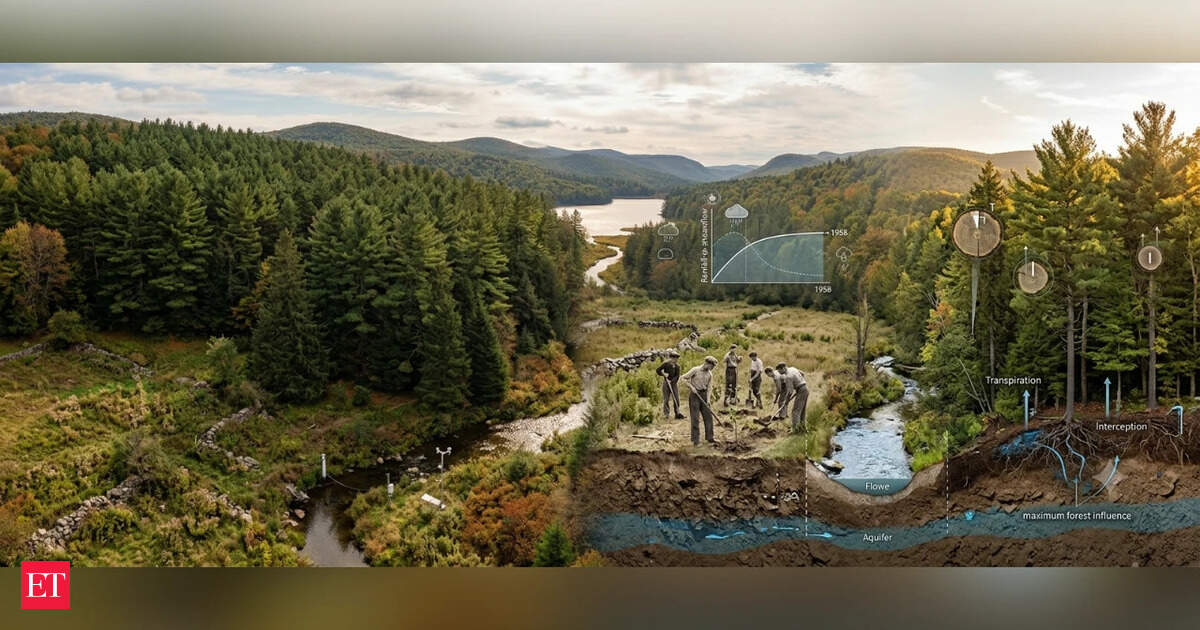
Picayune Strand, a massive rectangle of Florida swampland near Everglades National Park, almost became a sprawling housing development called Golden Gate Estates in the 1950s. Real estate company Gulf American bought the land, dug four huge canals to drain it, and built roads across the wetlands to prepare for construction.
But nature had other plans. The swamp sat two feet lower than surrounding areas, making flooding impossible to control. Gulf American went bankrupt, leaving behind a wounded landscape crisscrossed with empty roads and drainage canals.
Then the real work began. Starting in 1985, conservationists bought back every single plot of land that had been sold, piece by tedious piece. By 2004, they owned it all.
The Everglades Foundation, the Conservancy of Southwest Florida, and the U.S. Army Corps of Engineers got to work undoing decades of damage. They tore up the roads and dumped the rubble back into the canals, plugging them up. The goal was to restore "sheet flow," the natural phenomenon where water moves slowly across the entire Everglades in one direction like a river of grass.
Today, ecologist Michael Duever estimates Picayune Strand is more than 90% restored to its original state. Native plants are spreading again, including wild sunflowers that need constant wetness to survive.
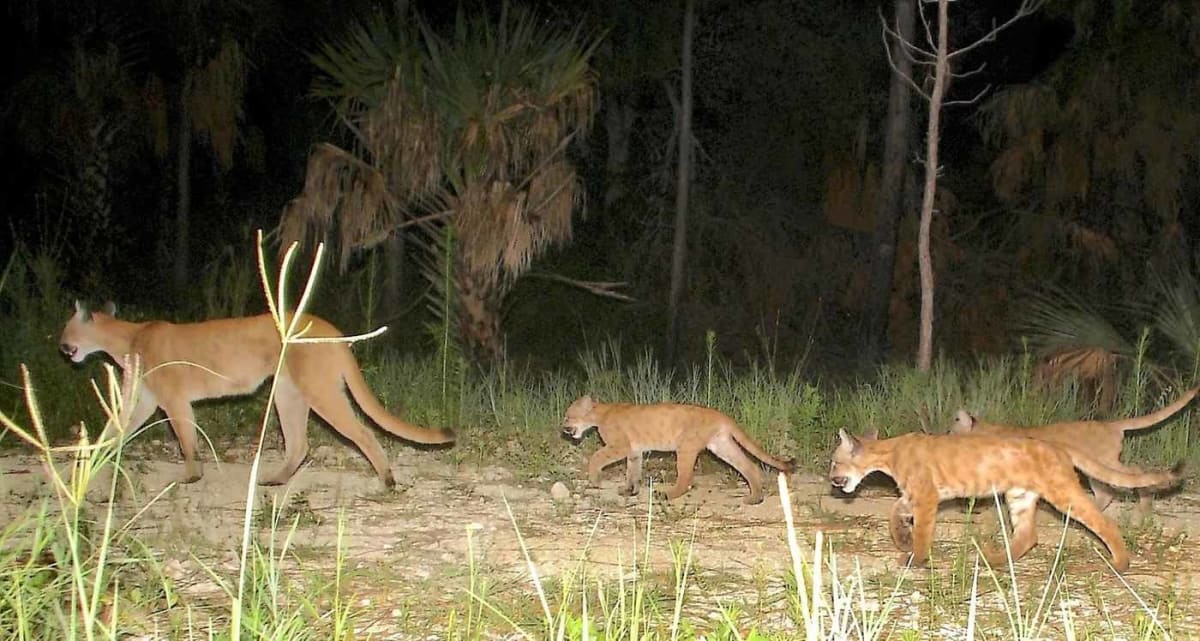
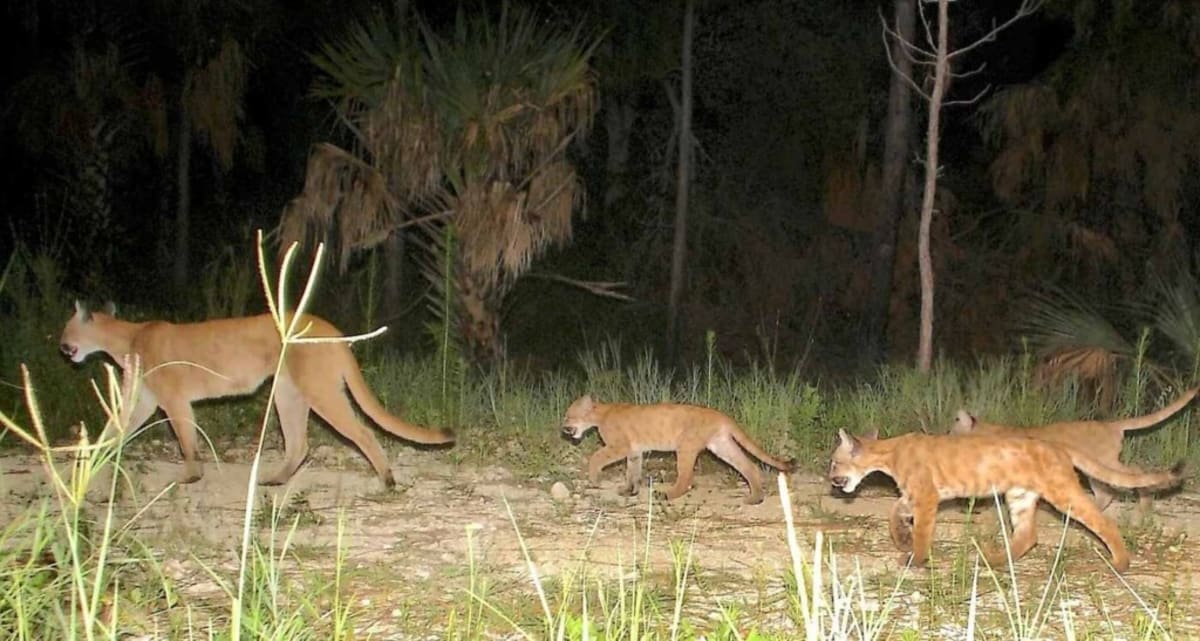
The Ripple Effect: Endangered species are already moving back in. The Florida panther now roams the restored wetlands, and the red-cockaded woodpecker has returned. Studies show insect populations have exploded, feeding the bonneted bat, Florida's largest bat species with a wingspan over a foot long.
Three pump stations remain as a compromise for nearby residents, keeping water levels from flooding homes. It's not perfect, but it's proof that restoration works.
Stephen Davis, chief science officer at the Everglades Foundation, calls Picayune Strand "a microcosm of the entire plan" to save the Everglades. If they can bring back this broken landscape, they can save the rest too.
More Images

Based on reporting by Good News Network
This story was written by BrightWire based on verified news reports.
Spread the positivity!
Share this good news with someone who needs it