Four Scientists Win $1M Prize for Brain Discovery
Four neuroscientists just won a prestigious $1 million prize for proving that brain cells make proteins right where they're needed, not just in the cell's center. Their groundbreaking work helps explain how our brains learn and remember.
Four scientists have won the 2026 Kavli Prize in Neuroscience for discovering how brain cells actually build the proteins they need to learn and remember.
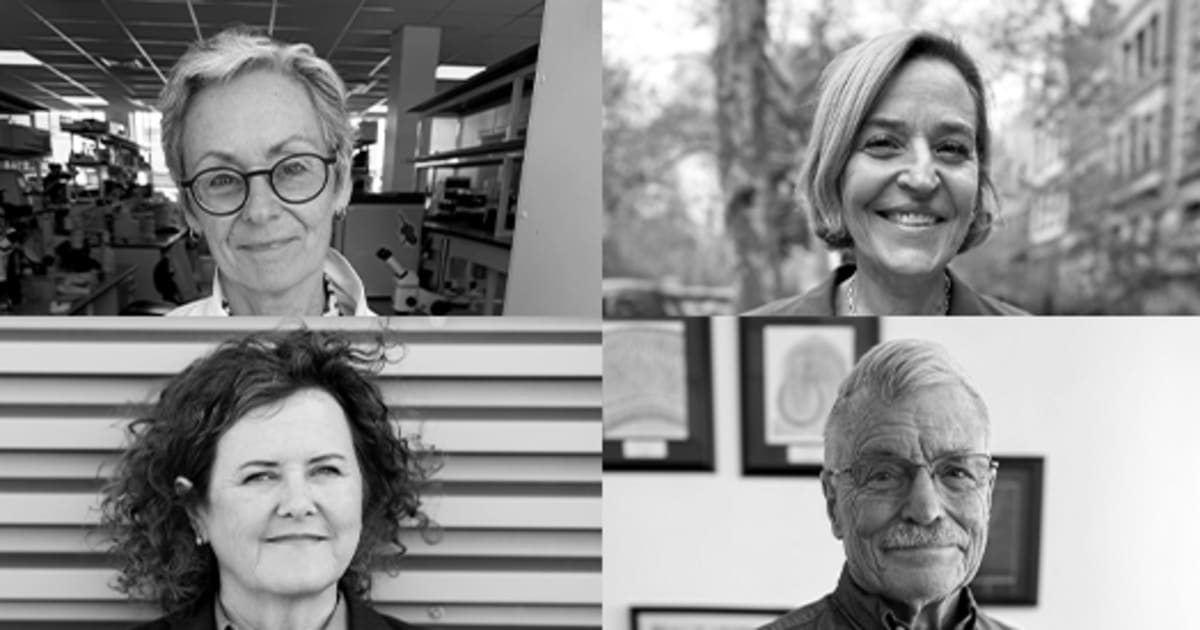
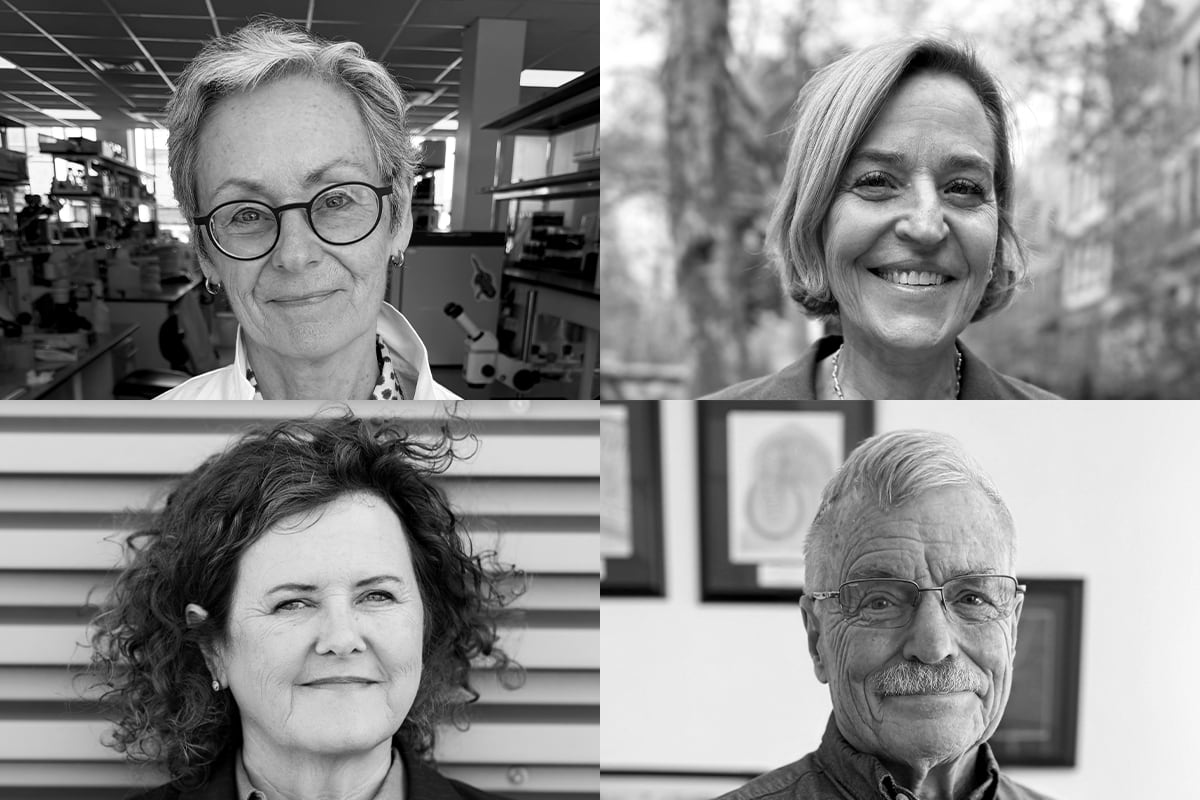
Christine Holt from the University of Cambridge, Kelsey Martin from the Simons Foundation, Erin Schuman from the Max Planck Institute for Brain Research, and Oswald Steward from UC Irvine will share the $1 million award. Together, they challenged what scientists had believed for decades about how neurons work.
The old thinking said neurons could only make proteins in their cell body, like a factory that ships products everywhere. But these four researchers proved something remarkable: neurons can make proteins right at the connection points between brain cells, exactly where and when they're needed.
Oswald Steward first noticed something odd in the early 1980s while studying rat brains recovering from injuries. He found protein production happening in dendrites, the branch-like structures that receive signals, not in the cell body where everyone expected it. "I said, 'Oh my God, that's a mechanism for local protein synthesis,'" he recalls.
Christine Holt made her discovery in the late 1980s by cutting axons in frog embryos and watching them continue to grow normally. The severed tips kept developing without any connection to the cell body, proving they were making their own proteins locally.
Erin Schuman showed in the mid-1990s that messenger RNAs are translated directly in mouse and rat dendrites. She could track the actual protein-building process happening in these remote locations, not just in the cell center.
Kelsey Martin studied sea slug neurons, which are large enough to experiment with individual parts. She demonstrated proteins being made right at the synapse, the connection point between two neurons. This matters because each neuron has just one nucleus but thousands of synapses that all need to respond independently.
Why This Inspires
This discovery explains something fundamental about how we learn and form memories. Every synapse in your brain can adjust its own strength independently, responding quickly to new experiences without waiting for instructions from the cell body.
The research "broke with what had long been considered almost like a dogma in neuroscience," says Edvard Moser, who chairs the prize committee. It took decades of careful work to overturn conventional wisdom, but the evidence became undeniable.
The finding opens doors for understanding brain plasticity and could eventually help develop treatments for memory disorders and brain injuries. Sometimes the biggest breakthroughs come from scientists brave enough to trust what they see, even when it contradicts what everyone "knows" to be true.
More Images
Based on reporting by Google News - Science
This story was written by BrightWire based on verified news reports.
Spread the positivity!
Share this good news with someone who needs it