Galápagos Gulls Thrive Despite Being World's Rarest
A birdwatcher's quest to find the world's rarest gull ended in surprising success on the Galápagos Islands, where fewer than a thousand lava gulls exist. Despite their scarcity, these unique seabirds maintain a stable population, offering hope for wildlife conservation.
While most tourists flock to the Galápagos Islands for Darwin's finches and blue-footed boobies, one birdwatcher came for creatures most people overlook: the gulls.
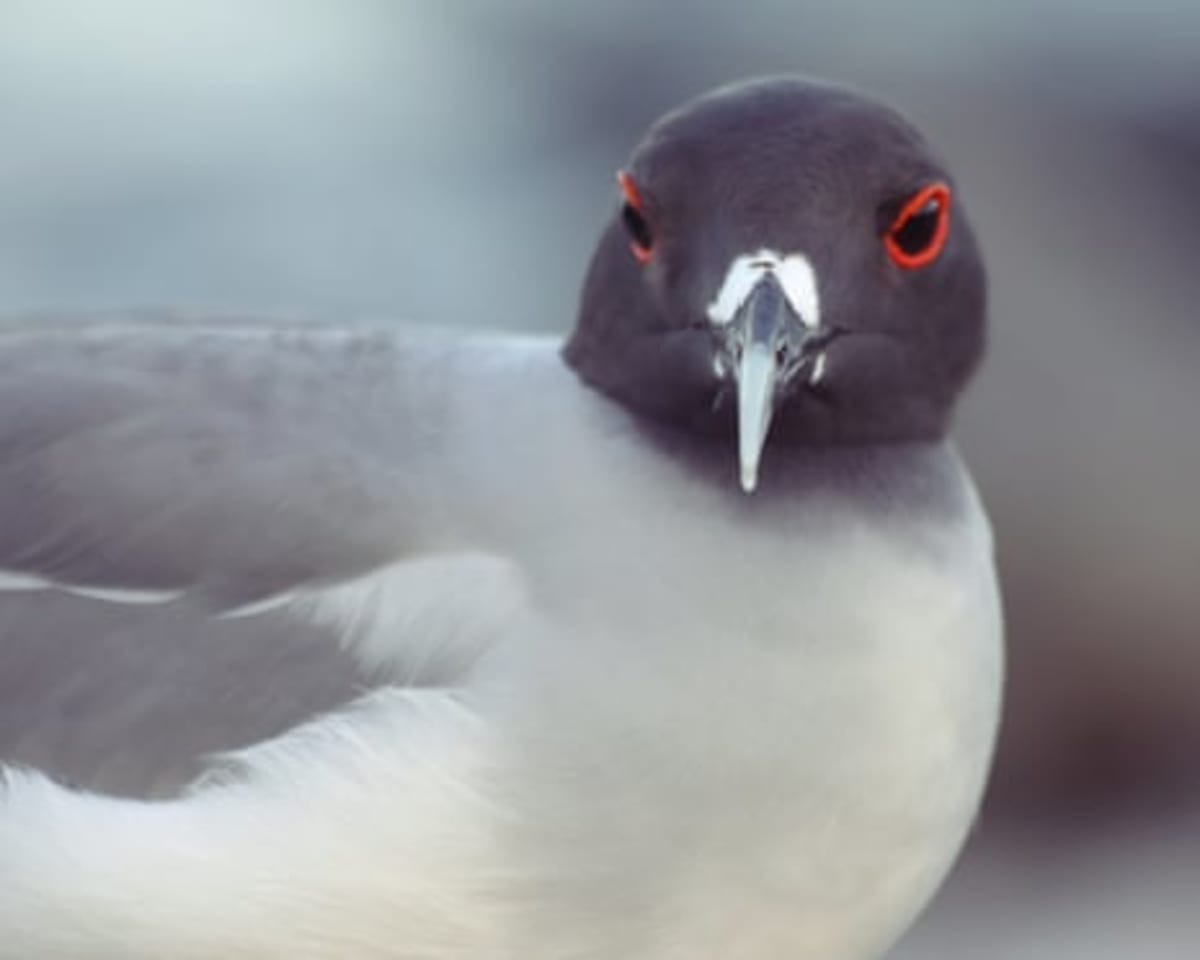
On a recent expedition to the volcanic archipelago, this gull enthusiast found two remarkable species that exist nowhere else on Earth. The first was the swallow-tailed gull, the only nocturnal gull in the world, sporting huge bug-like eyes that help it hunt for food after dark.
The bird's dark grey head and zigzag-patterned wings make it stunning to observe. Like most Galápagos wildlife, these gulls showed no fear of humans, allowing visitors to photograph them up close.
But the real surprise came when searching for the archipelago's second endemic gull. The lava gull holds the unfortunate title of being the world's rarest gull species, with fewer than a thousand individuals alive today.
Despite its rarity, spotting one proved easier than expected. A small, dark bird with charcoal-grey plumage flew toward beachgoers, perfectly camouflaged against the island's volcanic rocks that give the species its name.
Why This Inspires
The lava gull's story offers unexpected hope for rare species. With such tiny numbers, you'd expect these birds to be in crisis mode, but their population remains stable.
Conservation efforts in the Galápagos have created an environment where even the world's rarest gull can hold its own. The islands' protected status and careful management mean these unique birds aren't just surviving but maintaining steady numbers.
Their tameness around humans shows another success: wildlife that has never learned to fear people because it's never been threatened by them. This trust represents generations of protection paying off.
The Galápagos continues proving that with the right conservation approach, even species hanging by a thread can find stability in our rapidly changing world.
More Images

Based on reporting by Guardian Environment
This story was written by BrightWire based on verified news reports.
Spread the positivity!
Share this good news with someone who needs it