Gas Sensors Now Dissolve in Seawater, Cut E-Waste
South Korean researchers created air pollution sensors that work just as well as traditional ones but completely biodegrade in seawater. The breakthrough could slash electronic waste from billions of discarded environmental monitors.
Scientists just solved a problem most of us didn't know existed: what happens to all those air quality sensors after they stop working?
Researchers at Incheon National University in South Korea developed gas sensors that detect dangerous air pollutants like nitrogen dioxide while being up to 90% biodegradable. When these devices reach the end of their useful life, they simply break down in seawater instead of joining the growing mountains of electronic waste.
The team, led by Professor Yeong-Don Park, tackled a tricky challenge. Traditional organic sensors are lightweight and flexible, making them perfect for portable air quality monitoring. But they degrade quickly when exposed to moisture and oxygen, creating tons of electronic waste.
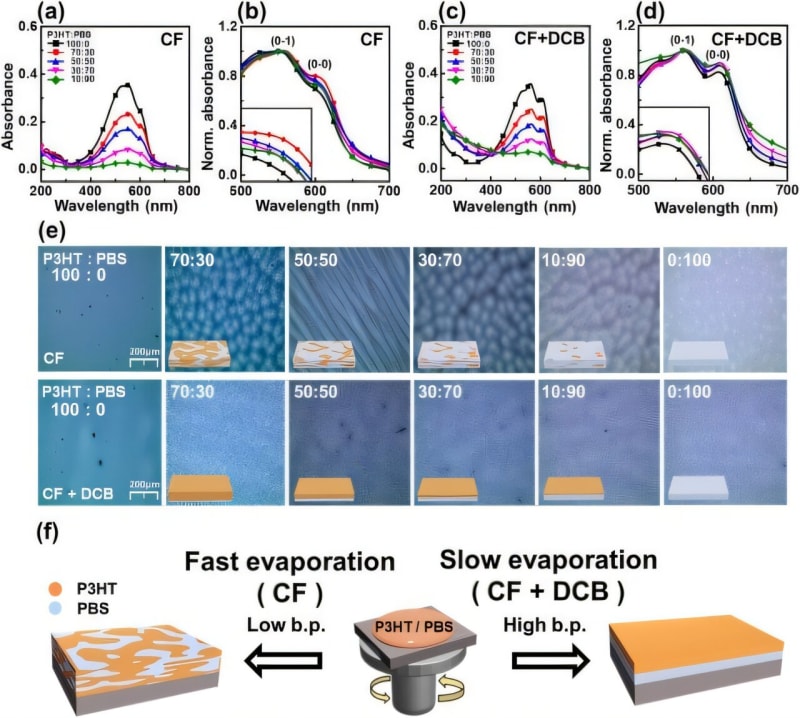
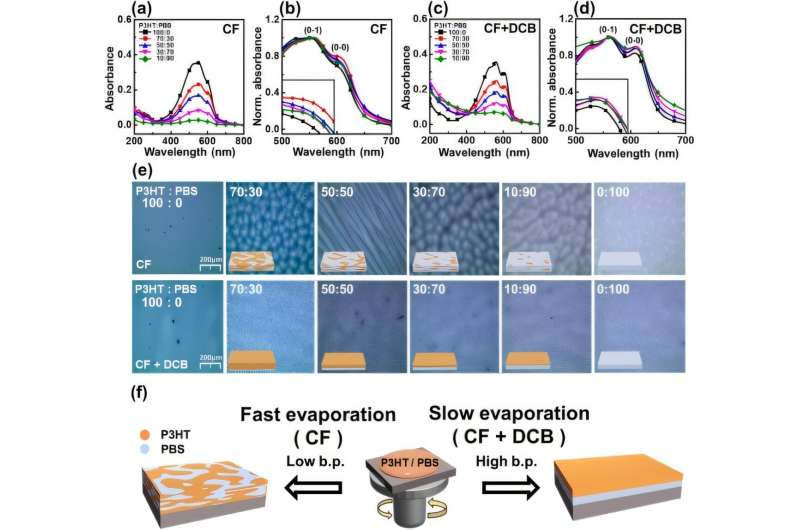
Their solution was surprisingly elegant. They blended a common semiconductor material with PBS, a biodegradable polymer already used in eco-friendly products. By carefully selecting the right solvents during manufacturing, they created sensors that maintain stable performance even when made from 90% biodegradable material.
The sensors proved themselves in real-world testing. They successfully detected nitrogen dioxide, sulfur dioxide, and carbon dioxide, showing particularly strong sensitivity to nitrogen dioxide. This matters because NO2 from fossil fuel combustion contributes to serious respiratory diseases including asthma, bronchitis, and pulmonary edema.
The biodegradable sensors also turned out to be more flexible than traditional versions, making them easier to deploy in varied environments. Both sensor types dissolved completely in seawater, offering a genuine end-of-life solution for devices used in natural or marine settings.
The Ripple Effect
This innovation arrives at a crucial moment. As cities worldwide expand air quality monitoring networks to protect public health, the number of deployed sensors is skyrocketing. Each traditional sensor eventually becomes electronic waste, often ending up in landfills or oceans.
Professor Park's biodegradable sensors flip that script entirely. Large-scale monitoring projects could now deploy thousands of sensors for temporary or disposable applications without environmental guilt. Coastal cities tracking ocean air quality could place monitors knowing they'll harmlessly dissolve if damaged in storms.
The technology also opens doors for previously impractical uses. Researchers studying remote wilderness areas could deploy biodegradable sensors without worrying about retrieval. Emergency responders could scatter temporary air quality monitors after industrial accidents, letting them safely break down afterward.
The breakthrough demonstrates what Professor Park calls achieving "high sustainability and device performance simultaneously," proof that environmental responsibility doesn't require sacrificing effectiveness. The sensors performed their essential function while solving their own waste problem.
This eco-friendly approach to electronics could inspire similar innovations across the sensor industry, potentially transforming how we think about disposable technology in environmental monitoring.
More Images
Based on reporting by Phys.org
This story was written by BrightWire based on verified news reports.
Spread the positivity!
Share this good news with someone who needs it