Ghana Foundation Puts Volunteers at Heart of Development
A Ghanaian nonprofit is championing everyday citizens as the secret ingredient to national progress. After mobilizing 91 communities in 18 months, STAR-Ghana Foundation proves volunteers can transform local governance and public services.
Imagine solving your community's biggest challenges not with foreign aid, but with the skills and passion of people living right next door. That's exactly what's happening across Ghana, where volunteers are stepping up to tackle everything from healthcare gaps to education needs.
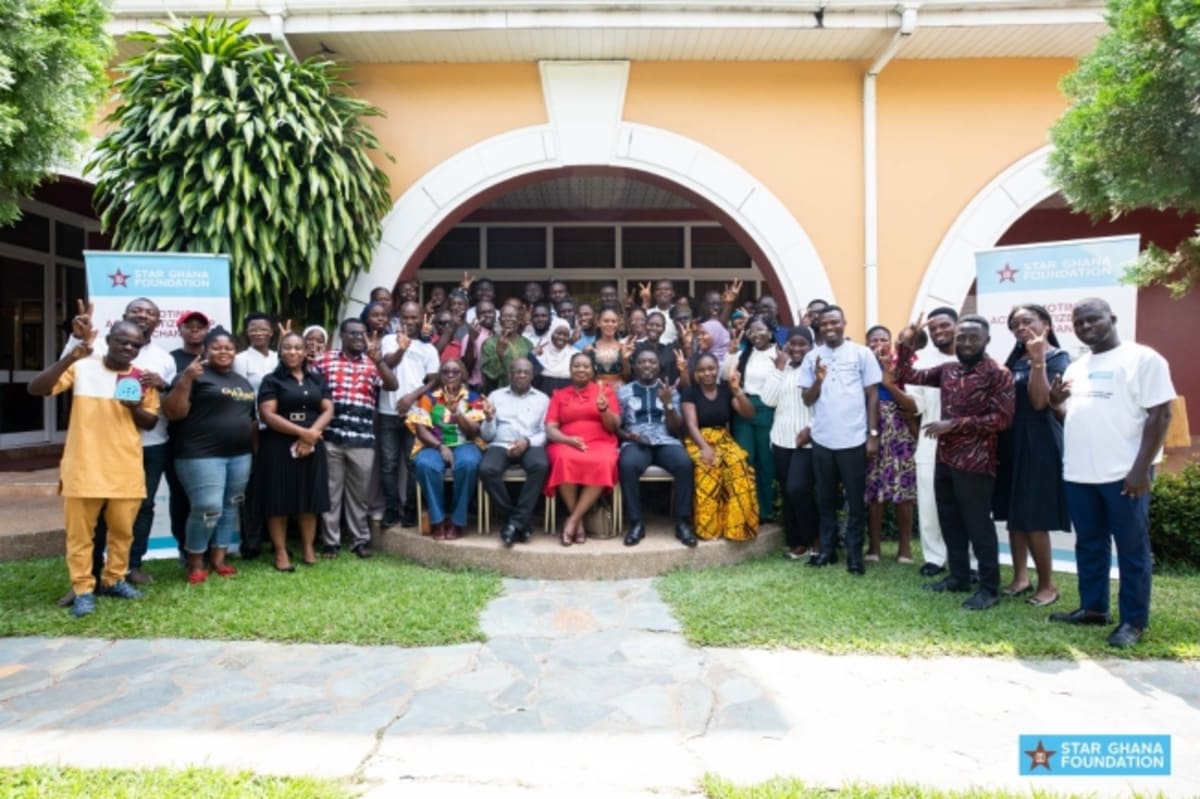
STAR-Ghana Foundation just wrapped an 18-month project that brought volunteers into 91 communities across 10 regions. The results surprised even the organizers: communities discovered they had more resources than they realized, from skilled professionals willing to share expertise to groups ready to pool their time and talent.
Executive Director Ibrahim Tanko-Amidu believes Ghana is sitting on an untapped goldmine of human potential. "Whether we're talking of young people or retired people, they provide a resource, and we need to mobilize them," he said at a recent gathering of civil society groups and volunteers.
The foundation isn't just talking about feel-good community cleanups. These volunteers are addressing real challenges in health services, education quality, social accountability, and local governance. They're filling gaps that government budgets can't always reach.
There's a practical reason this matters now. As Ghana faces economic pressures and tight budgets, volunteer programs offer a cost-effective way to deliver services at the community level. Instead of waiting for external donors, the foundation is helping communities fund initiatives through district assemblies, local businesses, and homegrown philanthropy.
The project revealed an unexpected obstacle: youth disengagement. Many young Ghanaians have stepped back from volunteering because they're frustrated with democracy's slow pace and busy searching for jobs. "They're not seeing the dividends from democracy," Tanko-Amidu explained, noting that Ghana's culture doesn't always create space for young voices.
The Ripple Effect
Project Officer Allswell Hooper-Garbrah saw something shift during those 18 months. Communities started recognizing resources they'd overlooked: individual talents, group capacities, and collective knowledge. "It's not just about physical cash," she explained. "There are resources in various forms."
Mohammed Sumaila from partner organization NORSAAC emphasized that volunteerism isn't limited to unskilled labor. Professionals, retirees, and experts can all contribute their specialized knowledge to local challenges.
The foundation now works with 18 civil society partners who collaborate with community groups on the ground. They're planning to expand those partnerships while deepening grassroots participation.
Volunteerism has always been woven into Ghanaian culture, from communal farming traditions to neighborhood support networks. STAR-Ghana Foundation is simply formalizing what communities have done naturally for generations, then scaling it up as a development strategy.
When citizens lead change in their own communities, progress becomes sustainable, locally driven, and truly inclusive.
More Images


Based on reporting by Google News - Ghana Development
This story was written by BrightWire based on verified news reports.
Spread the positivity!
Share this good news with someone who needs it