Giant Echidna Fossil Fills 1,000-Mile Gap in Ice Age Map
A skull fragment sitting in a Melbourne museum for 119 years just revealed that giant echidnas once roamed Victoria during the Ice Age. The discovery connects fossil sites across an entire continent and shows what happens when scientists give old collections fresh eyes.
A bone fragment collected by torchlight from a cave in 1907 spent more than a century waiting in storage at Museums Victoria. Now it's rewriting the story of Australia's Ice Age past.
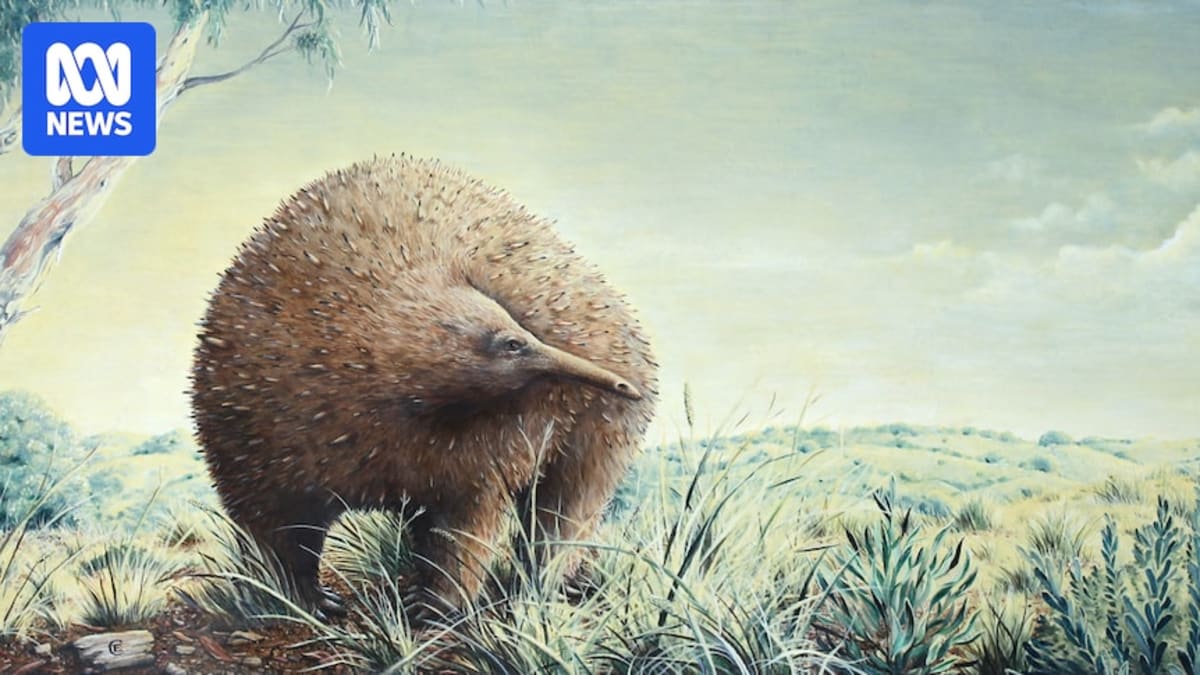
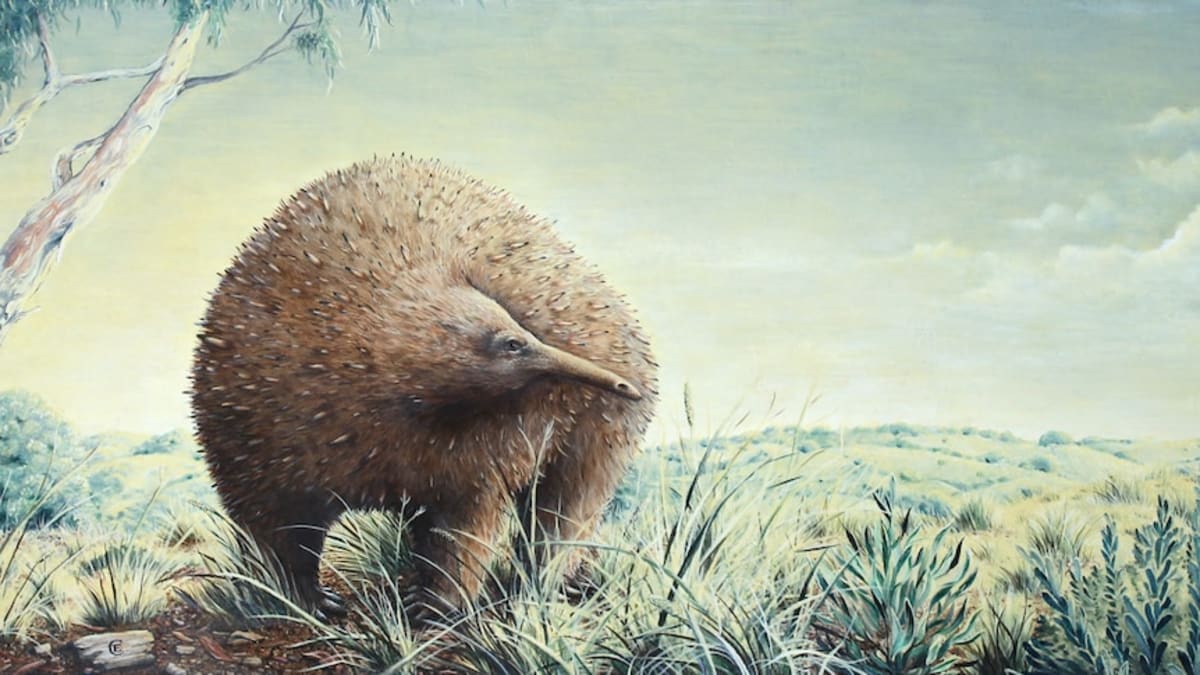
The fossil is a partial skull from Megalibgwilia owenii, an extinct giant echidna that roamed Victoria tens of thousands of years ago. Tim Ziegler, a vertebrate paleontology collection manager at Museums Victoria, identified the specimen using modern 3D scanning and detailed comparisons.
The discovery fills a massive blank space on the map. Previously, scientists knew this species lived in South Australia and New South Wales, but had no evidence from the 1,000 kilometers between them.
"Just this one fossil, preserved by random chance in a pitfall trap and then discovered almost by random chance as well, fills a gap in this long-beaked echidna's range across the entire continent," Ziegler said.
The creature itself was remarkable. About the size of a small child, it could grow to a meter long and weigh up to 15 kilograms. It used its long, straight beak to dig through hard soils searching for insects.
The fossil came from Foul Air Cave near Buchan in East Gippsland, more than four hours east of Melbourne. That cave system, carved through ancient limestone, has become recognized as one of the most diverse and abundant fossil sites in southeastern Australia.
Ziegler returned to the cave as part of his research, following in the footsteps of naturalists who first explored the site with ropes and torches. The continuity between those early expeditions and today's work creates meaning that extends beyond science.
The Ripple Effect
This rediscovery shows the lasting value of museum collections, where specimens gathered generations ago continue yielding insights. Nothing gets forgotten in a museum, but it takes dedicated work to bring that meaning back to communities.
The finding is already prompting researchers to search through other historic collections and unexplored cave systems across Victoria. Each new piece helps rebuild the picture of Ice Age megafauna that once shared this landscape with marsupials weighing more than a ton and predators the size of jaguars.
The next breakthrough could come from anywhere: deep underground, in a dusty archive, or hidden in plain sight.
More Images



Based on reporting by Google: fossil discovery
This story was written by BrightWire based on verified news reports.
Spread the positivity!
Share this good news with someone who needs it