Golfer Ryan Fox Wins Open After Science-Backed Breakthrough
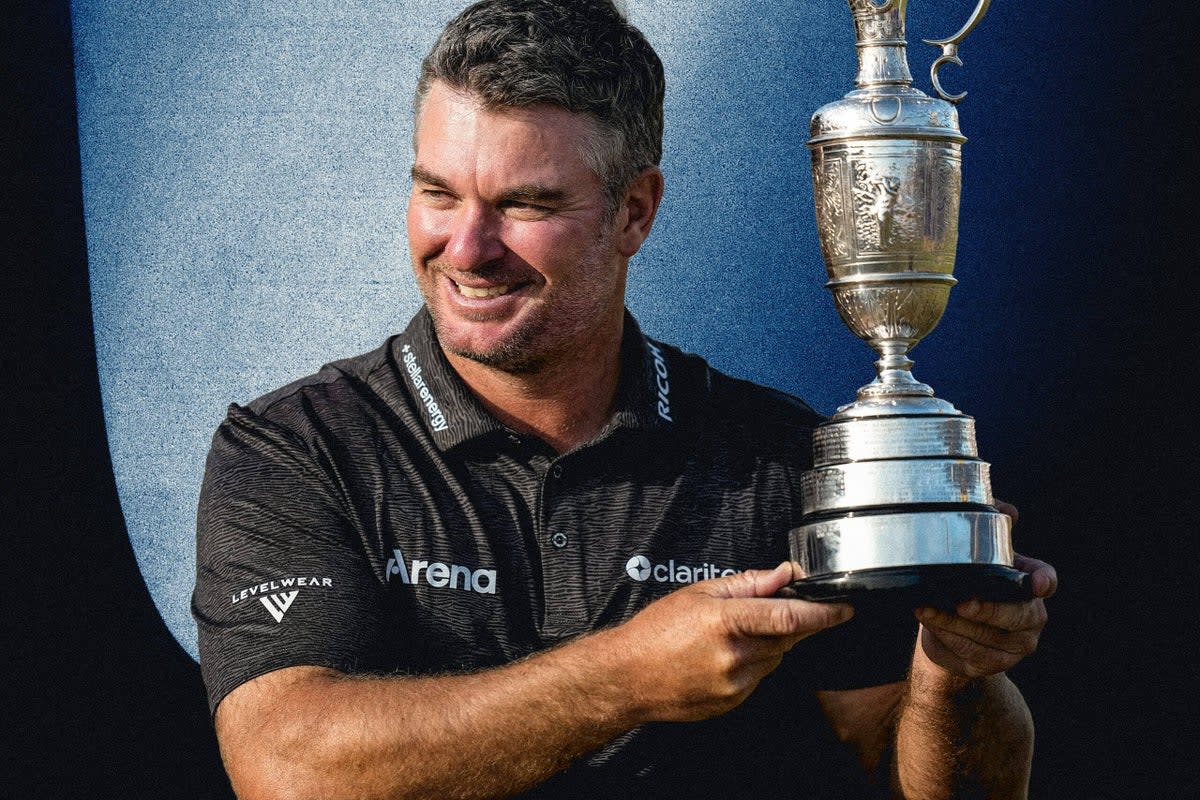
New Zealand golfer Ryan Fox, 39, won the Open Championship at Royal Birkdale after discovering how his brain learned to believe in victory. His journey reveals groundbreaking neuroscience about how humans build confidence through clutch moments.
Ryan Fox stood over a 16-foot putt that could change everything, his hands shaking as he lined up the shot at the RBC Canadian Open thirteen months ago. The 39-year-old golfer from New Zealand pulled it left, then watched in amazement as the ball caught the lip and dropped in, sending him to a playoff he'd eventually win.
That single moment became the foundation for something bigger. On Sunday, Fox hoisted the Claret Jug at the Open Championship, proving that one breakthrough victory had taught his brain how to win again.
Fox didn't pick up a golf club until he was 13. He turned pro at 25, didn't become a consistent winner until his 30s, and only joined the PGA Tour full-time at 37. His late-bloomer journey offers a perfect case study for new neuroscience research about how humans forge self-belief.
Dr. Kenneth Kishida, a neuroscience professor at Wake Forest, has spent two decades studying how our brains process belief and expectations. His research focuses on dopamine, often called "the pleasure chemical," but his findings reveal something more profound about how we learn to trust ourselves.
When Fox won that playoff at the Canadian Open with a spectacular three-wood shot from 258 yards out, his brain received an intense dopamine signal. The message was simple: That was better than expected. That signal then reinforced every decision and swing that led to that moment, teaching his body and mind the pathway to victory.
Kishida explains the process through competition. Imagine trailing late in a game, expecting defeat, yet still performing under pressure to pull off an improbable win. That gap between expectation and outcome creates a powerful teaching moment for your brain, reinforcing the behaviors that led to success.
When Fox faced a nearly identical situation at Royal Birkdale, needing a birdie on the final hole, he delivered another clutch putt. His brain had learned the lesson from thirteen months earlier.
Why This Inspires
Fox's story challenges the idea that champions are born with unshakeable confidence. For years, he felt he needed proof before he could truly believe in himself. "I think some people can be the people that can almost talk themselves into it," Fox said. "For me, it's always felt like I've needed to do something first to start to find that belief."
His journey shows that self-belief isn't just positive thinking. It's a learnable skill built through experience, reinforced by a sophisticated teaching system in our brains that rewards us for exceeding our own expectations.
The tournament organizers installed a commemorative plaque in the fairway where Fox hit that brilliant playoff shot at the Canadian Open. But the real monument to that moment is standing on a podium at Royal Birkdale, holding the oldest trophy in golf, proving that late bloomers can teach their brains to believe through action, one clutch moment at a time.
More Images


Based on reporting by Google News - Championship Win
This story was written by BrightWire based on verified news reports.
Spread the positivity!
Share this good news with someone who needs it