Guinea Busts Wildlife Ring, Saves 2,000 Seahorses
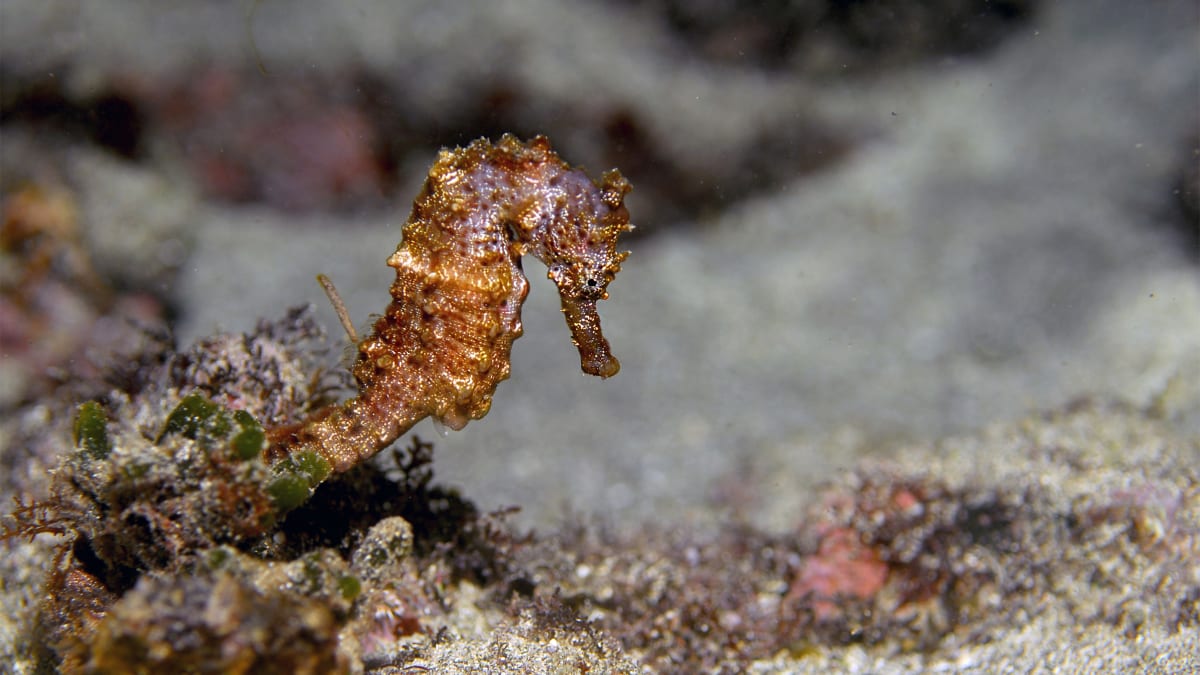
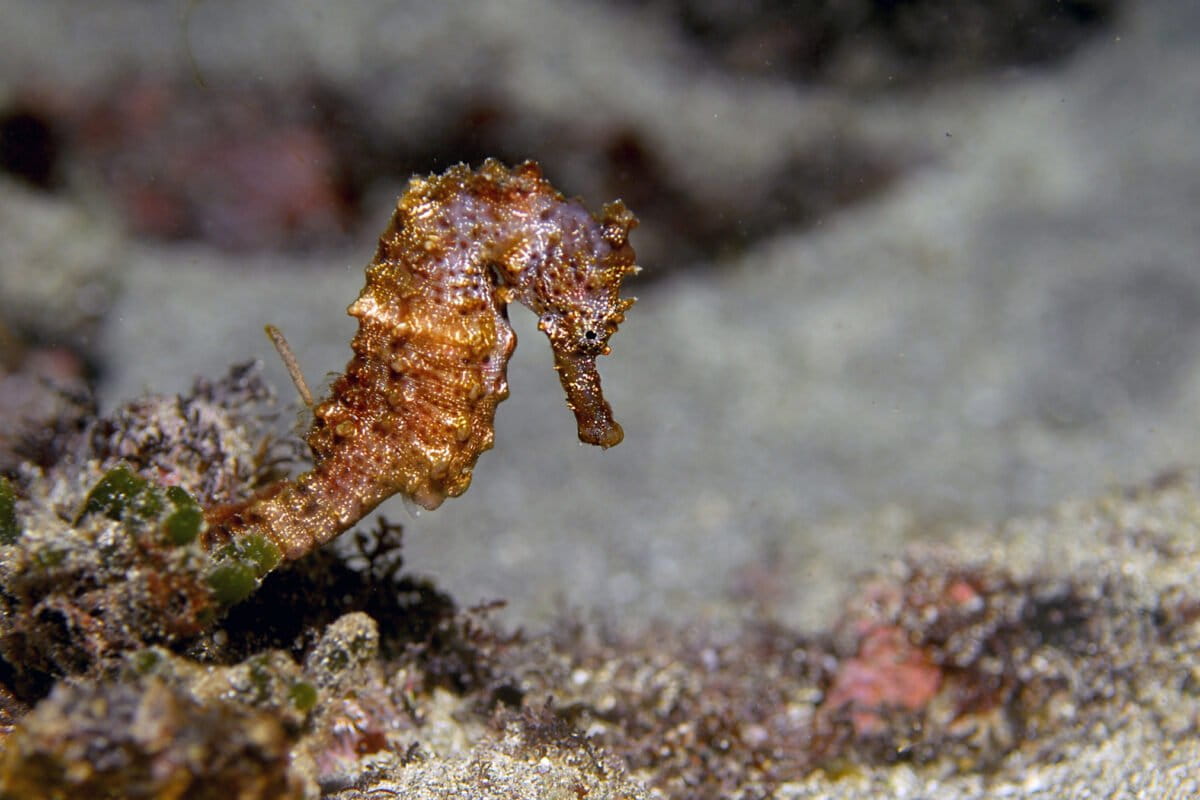
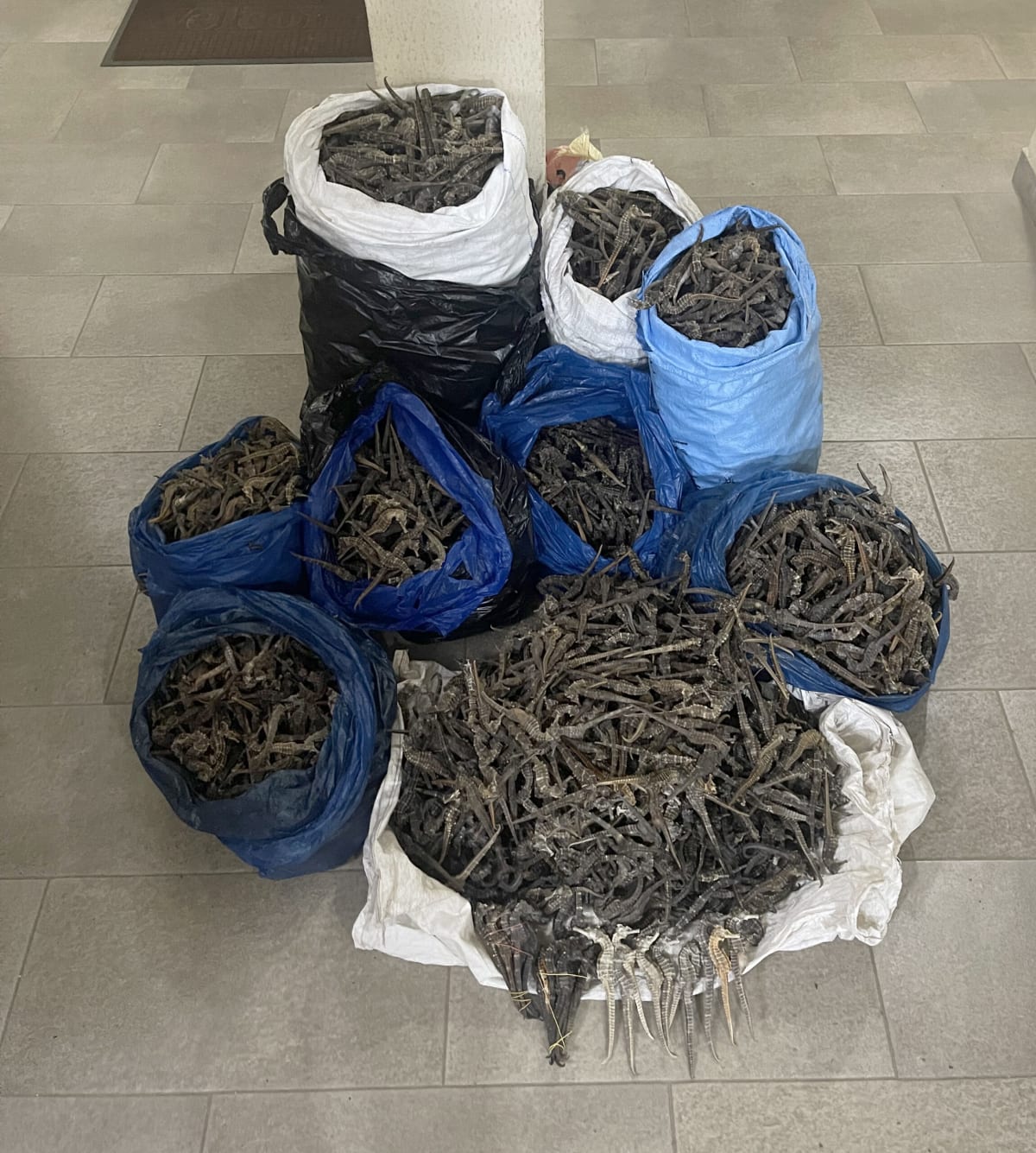
Guinean authorities arrested four suspected wildlife traffickers and rescued over 2,000 dried seahorses plus dozens of shark and ray fins destined for illegal export. The operation may help dismantle a criminal network that's been smuggling protected marine life across West Africa for over 40 years.
An undercover sting in Guinea's capital just dealt a major blow to wildlife traffickers who've operated in the shadows for decades.
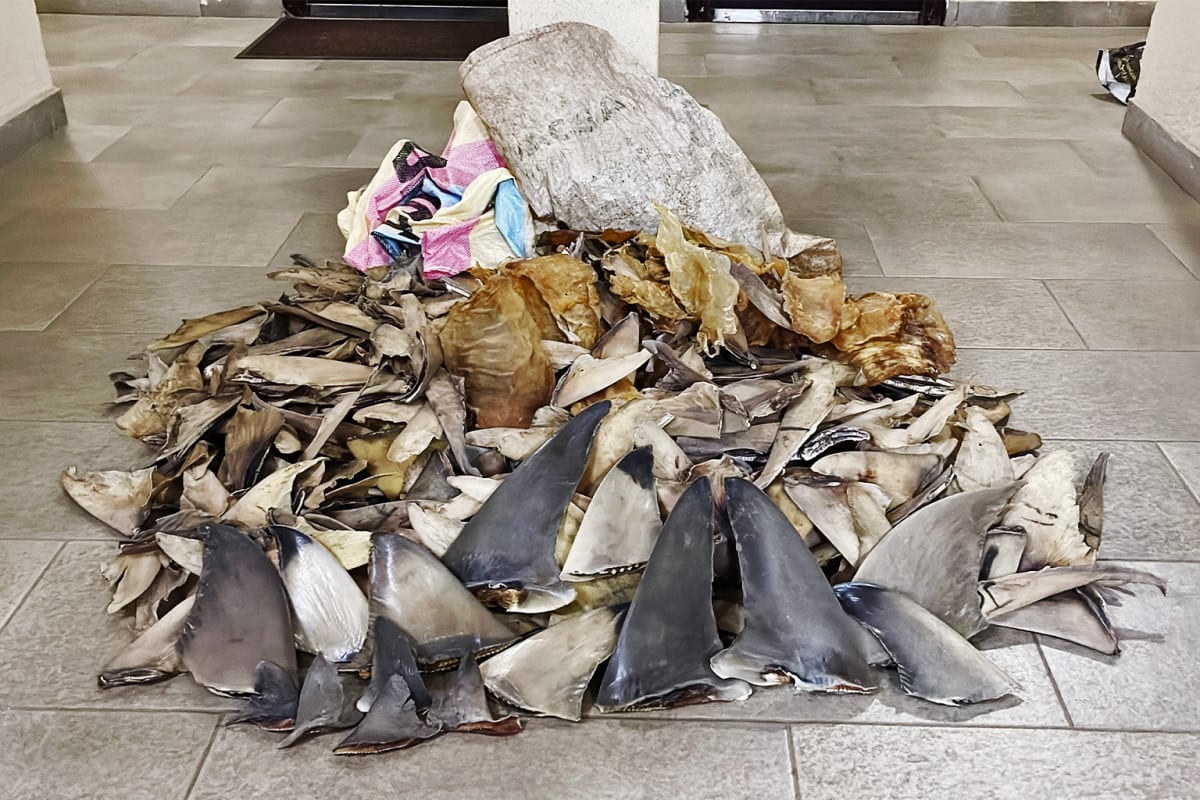
On May 22, authorities in Conakry arrested four men carrying 41 kilograms of dried seahorses and 26 kilograms of shark and ray fins. The suspects, aged 20 to 55, allegedly planned to sell the seahorses to Chinese nationals who would illegally ship them overseas.
The bust came after months of coordination between Guinean law enforcement and EAGLE, an anti-trafficking organization working across West Africa. When officers searched a storage facility linked to the group, they discovered the hidden shark fins waiting for export.
Antonia Gustafsson, who coordinates EAGLE's Guinea operations, says the four men are believed connected to a transnational smuggling network that's been active for more than four decades. Authorities are now searching for seven additional suspects.
The seized seahorses, numbering between 2,000 and 3,000, were destined for traditional medicine markets in China where they can fetch up to $600 per kilogram. The fins came from at least 250 guitarfish, bottom-feeding rays increasingly threatened by fishing along West Africa's coast.
The Ripple Effect
This arrest could mark a turning point in protecting West Africa's vulnerable marine life. Between 2008 and 2018, Guinea accounted for nearly 79% of all legal seahorse exports from Africa to Hong Kong, shipping more than 400,000 fish.
But illegal trade has exploded alongside legal commerce. Between 2010 and 2021, authorities worldwide intercepted nearly five million smuggled seahorses worth $21 million, with Africa emerging as a major source.
The four arrested men now face one to five years in prison and significant fines under Guinean law, which prohibits catching or selling seahorses, sharks, and rays without proper permits. According to the suspects, corrupt customs officials have been accepting bribes to allow illegal exports.
Gustafsson acknowledges that corruption remains the biggest obstacle to stopping wildlife trafficking, even when strong laws exist. But she says this operation shows what's possible when enforcement agencies work together and refuse to look the other way.
Seven more suspects remain at large, and authorities are actively pursuing leads that could expand the investigation across multiple West African nations.
More Images

Based on reporting by Mongabay
This story was written by BrightWire based on verified news reports.
Spread the positivity!
Share this good news with someone who needs it