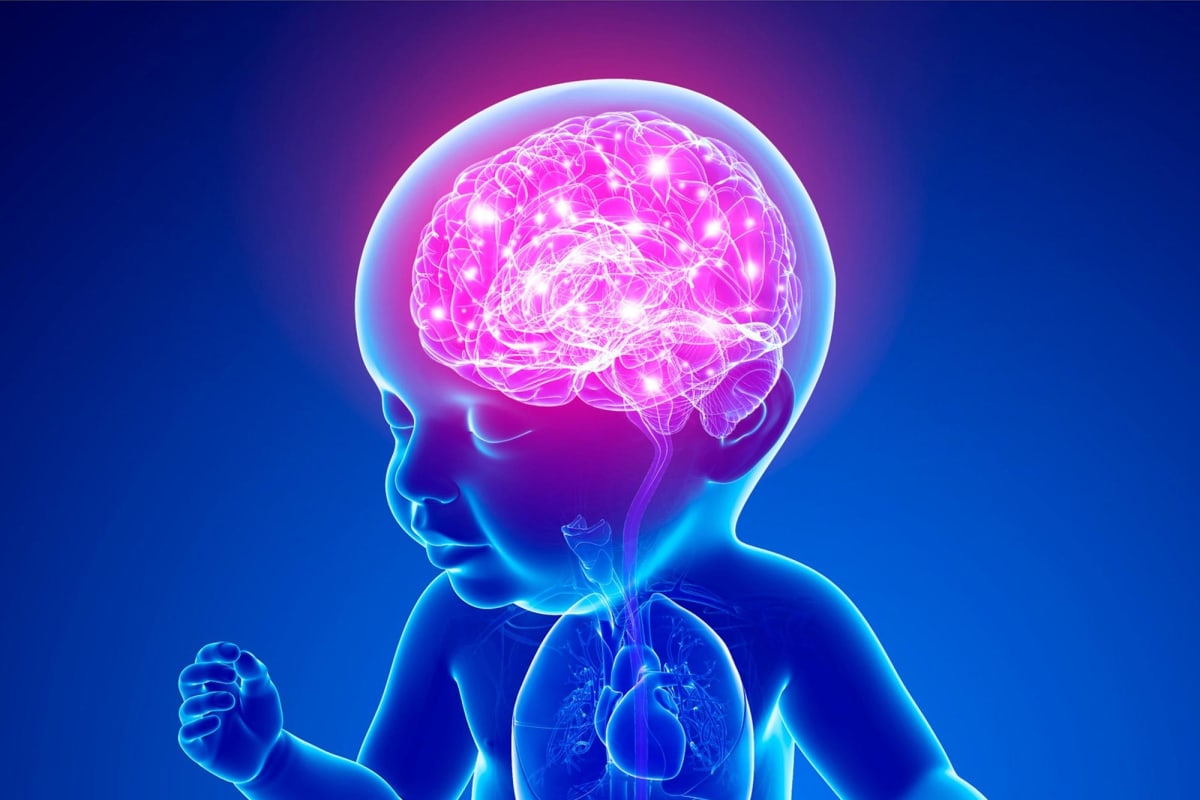
Gut Bacteria May Protect Children From Autism and ADHD
Scientists discovered that certain "good" gut bacteria in babies may reduce the risk of autism and ADHD, even when genetic factors suggest higher vulnerability. The findings open doors to simple interventions like probiotics that could support healthy brain development.
From the moment babies enter the world, their bodies are having a conversation that could shape their future brain health.
Researchers at The Chinese University of Hong Kong have discovered that gut bacteria and genetic patterns work together during a baby's first year in ways that influence neurodevelopmental conditions like autism spectrum disorder (ASD) and ADHD. The exciting part? Some bacteria appear to offer protection against these conditions.
The team studied 571 infants from birth through age three, tracking both their genetic markers and gut microbiome development. They found that babies born with certain genetic patterns faced higher risks for ASD and ADHD. But here's where it gets hopeful.
When infants acquired specific beneficial bacteria during their first year, those risks decreased significantly. Two microbes stood out: Lachnospira pectinoschiza appeared to reduce autism-related effects, while Parabacteroides distasonis seemed to protect against ADHD patterns.
"Certain bacteria seem to offer protection, which is exciting because it suggests there could be ways to support a child's development through diet or probiotics in the future," says senior author Dr. Francis Ka Leung Chan. The research showed that factors like delivery method, breastfeeding, and antibiotic exposure influenced which bacteria colonized babies' guts during that critical first year.
Babies delivered by cesarean section showed different patterns in genes involved in immune function and brain development. Those with higher genetic activity related to pathogen recognition tended to have less diverse gut microbiomes by their first birthday.
The research tracked children until age three, using behavioral assessments to identify early signs of neurodevelopmental differences. The connection between beneficial bacteria and reduced risk held even when genetic factors suggested vulnerability.
Why This Inspires
This discovery transforms how we think about early childhood development. Instead of viewing genetic patterns as fixed destiny, we're seeing that the microscopic ecosystem in a baby's gut might offer a protective shield.
The possibility of supporting brain health through something as accessible as diet or probiotics offers hope to millions of families. While researchers emphasize this is just one piece of a complex puzzle, it's a piece that points toward safe, non-invasive early interventions.
The research team continues following these children to understand long-term impacts. Laboratory studies are underway to confirm exactly how these beneficial bacteria interact with brain development.
"We don't want people to think a child's developmental path is fixed at birth," says co-author Dr. Hein Min Tun. "These are complex conditions with many causes."
The foundations for brain health begin early, but this research suggests we may have more tools than we thought to nurture that development in positive directions.
More Images
Based on reporting by Google News - Scientists Discover
This story was written by BrightWire based on verified news reports.
Spread the positivity!
Share this good news with someone who needs it

.jpg)